
How to Care for Freesia
Grow fragrant Freesia from corms in full sun with cool temperatures and a dry dormancy for arching, colorful blooms.
Read the full Freesia encyclopedia entry →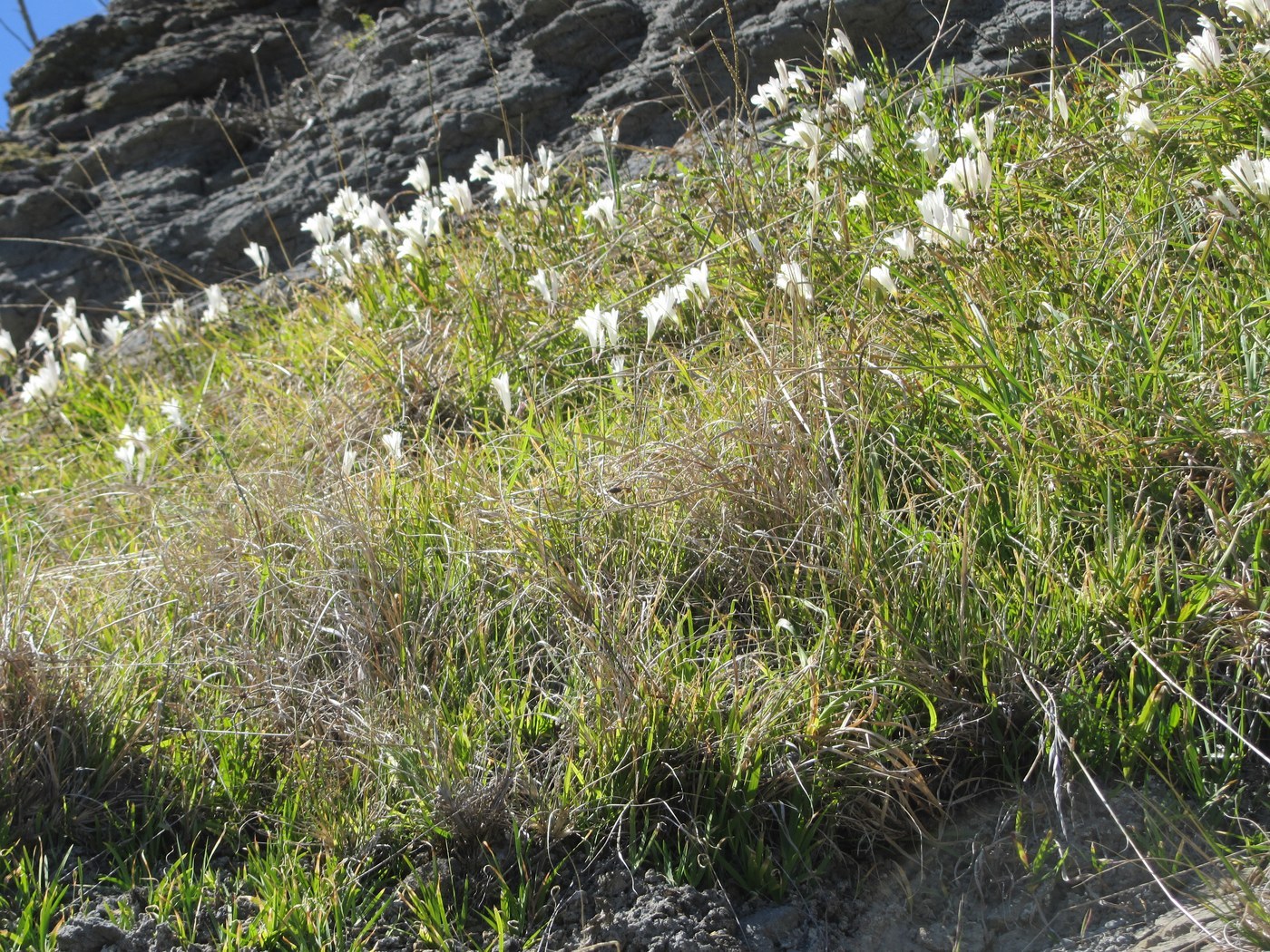
Freesia (Freesia refracta) is a cormous perennial celebrated for its intensely fragrant, funnel-shaped flowers borne on distinctive one-sided arching spikes. A cool-season grower from a Mediterranean-type climate, it needs bright light, a cool growing period, and a dry summer rest to bloom well.
Light
Freesia needs full sun to bright light for sturdy stems and abundant flowers. Indoors, give it the brightest windowsill available, ideally south- or west-facing. Insufficient light produces weak, flopping stems that need staking and disappointing blooms. Outdoors, plant in an open, sunny position.
Water
Water moderately and consistently during active growth from planting through flowering, keeping the soil lightly moist but never waterlogged. As the foliage yellows after flowering, gradually reduce watering and then withhold it entirely to let the corms enter their dry summer dormancy. Resume watering when growth restarts. Overwatering during dormancy rots the corms.
Soil & Potting
Use a light, free-draining, sandy or loam-based mix. Sharp drainage is critical to prevent corm rot. Plant corms a couple of inches deep, pointed end up, spacing them closely for a full display. Neutral to slightly acidic soil suits them. In pots, a bulb or general-purpose mix amended with grit works well.
Humidity & Temperature
Freesia is a cool-climate bloomer that flowers best where nights are cool, roughly in the range of a cool greenhouse or bright spring room. High heat during growth causes buds to abort and stems to weaken. Moderate humidity is fine. It is frost-tender, so in cold regions grow it in pots or lift the corms before winter and store them dry and warm.
Feeding
Feed every couple of weeks during active growth with a high-potassium liquid fertilizer, the kind used for flowering plants, to promote strong stems and rich blooms. Begin feeding once shoots are established and continue until the foliage starts to yellow. Stop feeding as the plant enters dormancy.
Propagation
Freesia multiplies by producing offset cormlets around the parent corm. Lift the corms after the foliage dies down, separate the offsets, and store them dry until the next planting season. It can also be grown from seed, though seed-grown plants take longer to reach flowering size and may vary from the parent.
Repotting / Pruning
Deadhead spent flowers to keep the display tidy, but leave the foliage intact until it fully yellows so the corm can recharge. After dormancy, lift and replant corms, spacing them fresh in renewed soil. Discard any soft or damaged corms during this cleanup and pot the healthy ones for the next cycle.
Common Problems & Pests
Floppy stems are the classic complaint, caused by too little light or too much heat; brighter, cooler conditions and discreet staking help. Corm rot follows overwatering or poor drainage. Aphids may cluster on buds and new growth, and thrips can distort flowers; rinse or treat as needed. Failure to bloom usually means heat stress or insufficient light.
Seasonal Care Tips
Plant corms in autumn for spring bloom in mild climates, or in late winter for summer bloom in cooler pot culture. Grow cool and bright through the flowering season, feeding regularly. After flowering, let foliage die back and dry the corms off completely. Store dormant corms warm and dry, then restart the cycle at planting time.
Frequently asked questions
Why are my Freesia stems flopping over?
Usually too little light or too much warmth during growth. Give them full sun and cool temperatures, and add discreet stakes or grow-through supports for the arching spikes.
Why won't my Freesia bloom?
The most common cause is heat during the growing period, which aborts buds. Freesia is a cool-season plant; combine bright light with cool nights for reliable flowers.
What do I do with the corms after flowering?
Let the foliage yellow and die back naturally, then lift the corms, separate any offsets, and store them dry and warm through their summer dormancy before replanting.
How deep should I plant Freesia corms?
Plant them a couple of inches deep, pointed end up, in free-draining soil. Space them fairly close together for a fuller, more fragrant display.
How should I water Freesia?
Keep the soil lightly moist during active growth and flowering, then taper off as the leaves yellow and withhold water entirely during the dormant period to prevent corm rot.