How to Care for Fuchsia
Grow lush Fuchsia magellanica with pendant blooms by giving it cool, bright conditions, steady moisture, and regular feeding.
Read the full Fuchsia encyclopedia entry →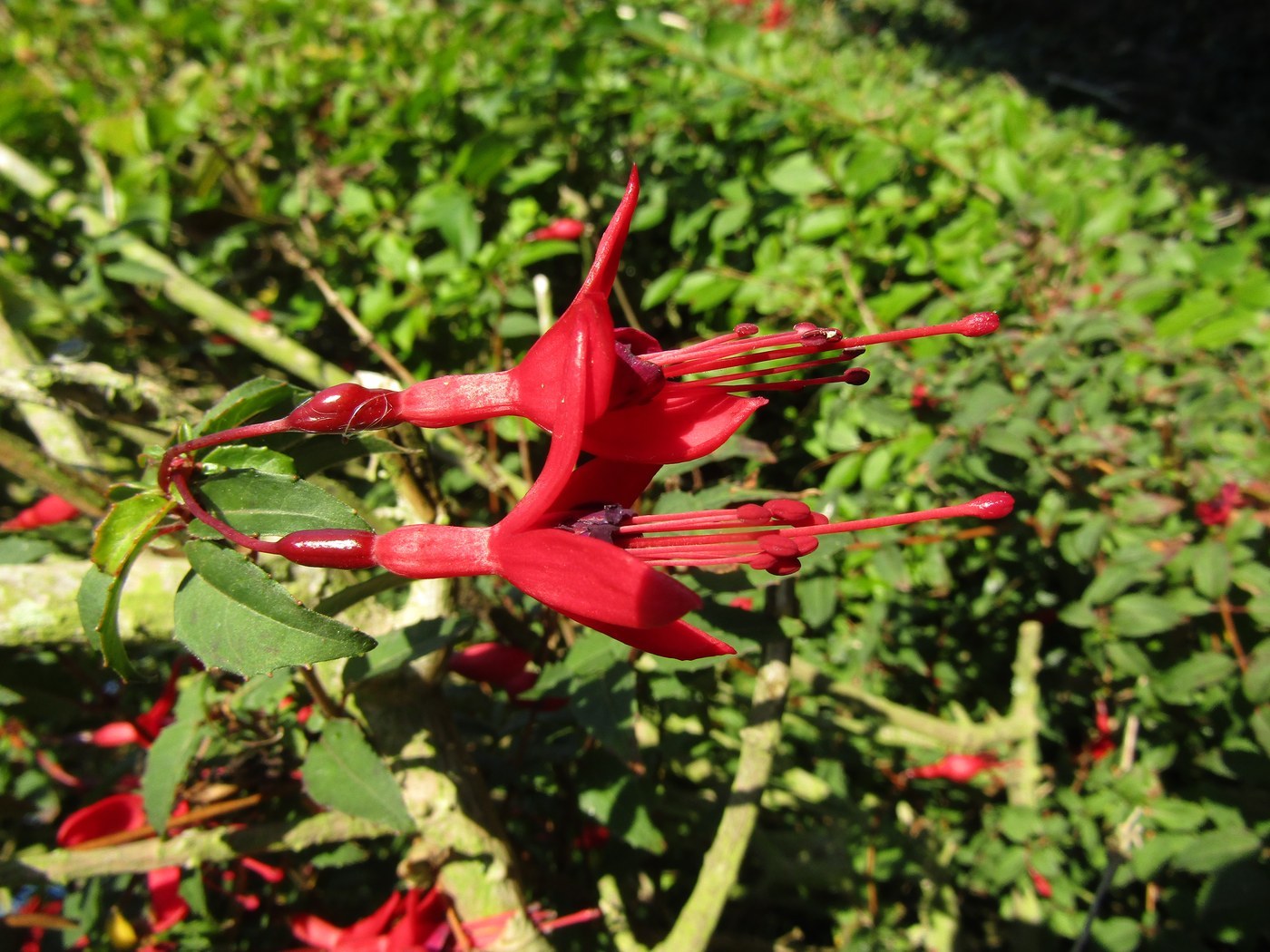
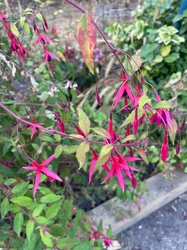
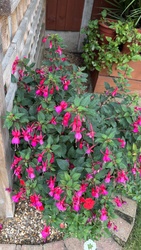
Fuchsia magellanica is a graceful, arching shrub prized for its dangling, two-toned flowers that resemble tiny ballerinas. It rewards attentive but not difficult care, thriving where light is bright yet temperatures stay cool.
Light
Give fuchsia bright indirect light to partial shade. It resents harsh, direct midday sun, which scorches foliage and causes flower buds to drop. An east-facing window, a spot with morning sun and afternoon shade, or dappled light under taller plants is ideal. Indoors, position it near a bright window but out of hot, direct rays. Too little light produces leggy stems and sparse flowering.
Water
Keep the soil evenly moist at all times but never soggy. Fuchsias are thirsty during active growth and will wilt quickly if allowed to dry out, yet standing water rots the roots. Water thoroughly when the surface begins to feel slightly dry, letting excess drain away. In hot weather, container plants may need watering daily. Reduce frequency in winter when growth slows.
Soil & Potting
Use a rich, well-draining potting mix with plenty of organic matter. A peat- or coir-based mix amended with perlite or bark holds moisture while allowing excess to escape. Always plant in containers with drainage holes. A slightly acidic to neutral pH suits fuchsia well. Hanging baskets show off the trailing habit beautifully and improve air circulation around the foliage.
Humidity & Temperature
Fuchsias love cool, humid conditions. They perform best between 60 to 70 F (15 to 21 C) and struggle when temperatures climb above 80 F (27 C), often dropping buds and pausing bloom. Provide moderate to high humidity by grouping plants, using a pebble tray, or misting in dry indoor air. Protect from frost; Fuchsia magellanica is among the hardier species but appreciates shelter in cold snaps.
Feeding
Fuchsias are heavy feeders during the growing season. Apply a balanced liquid fertilizer every one to two weeks from spring through late summer, or use a bloom-boosting formula higher in phosphorus to encourage flowering. Stop feeding in autumn as growth slows. Consistent nutrition keeps foliage deep green and supports the near-continuous flush of blooms.
Propagation
Fuchsias root readily from softwood stem cuttings taken in spring or early summer. Snip 3 to 4 inch tips, remove the lower leaves, and insert into moist, gritty potting mix. Keep warm, humid, and out of direct sun; roots typically form within two to three weeks. Pinch the growing tips of young plants to encourage bushy, well-branched growth.
Repotting / Pruning
Repot in spring when roots fill the container, moving up one pot size with fresh mix. Prune hard in late winter or early spring before new growth begins, cutting back to a framework of strong stems to promote vigorous flowering wood. Throughout the season, pinch growing tips regularly and remove spent flowers to keep the plant tidy and blooming.
Common Problems & Pests
Watch for aphids, whiteflies, and spider mites, especially in warm, dry indoor air; rinse foliage and treat with insecticidal soap as needed. Fuchsia gall mite causes distorted, thickened growth and is best managed by pruning out affected tissue. Bud and leaf drop usually signal heat stress or erratic watering. Yellowing lower leaves can indicate overwatering or a need for feeding.
Seasonal Care Tips
In spring, prune, repot, and resume feeding as growth accelerates. Through summer, keep soil evenly moist, shade from intense heat, and deadhead often. In autumn, taper watering and feeding. Overwinter in a cool, frost-free spot with minimal water; plants may drop leaves and rest, then rebound in spring with fresh growth.
Frequently asked questions
Why is my fuchsia dropping its flower buds?
Bud drop is almost always caused by heat stress or inconsistent watering. Move the plant to a cooler, shadier spot and keep the soil evenly moist so it never dries out fully or stays waterlogged.
How do I get my fuchsia to bloom more?
Give it bright indirect light, keep temperatures cool, feed with a phosphorus-rich fertilizer every one to two weeks in the growing season, and deadhead spent flowers regularly to encourage continuous blooming.
Can I grow fuchsia indoors?
Yes, provided you can offer bright indirect light, cool temperatures, and good humidity. A bright window out of direct sun works well, and hanging baskets suit the trailing habit.
When should I prune my fuchsia?
Prune hard in late winter or early spring before new growth begins, cutting back to a strong framework. Pinch the tips through the growing season for a bushier, more floriferous plant.
Fuchsia identified by the community
Recent Fuchsia specimens identified with Plant Identifier.