How to Care for Gardenia
Growing guide for Gardenia (Gardenia jasminoides), a fragrant evergreen shrub that needs acidic soil, steady moisture, and warm humidity.
Read the full Gardenia encyclopedia entry →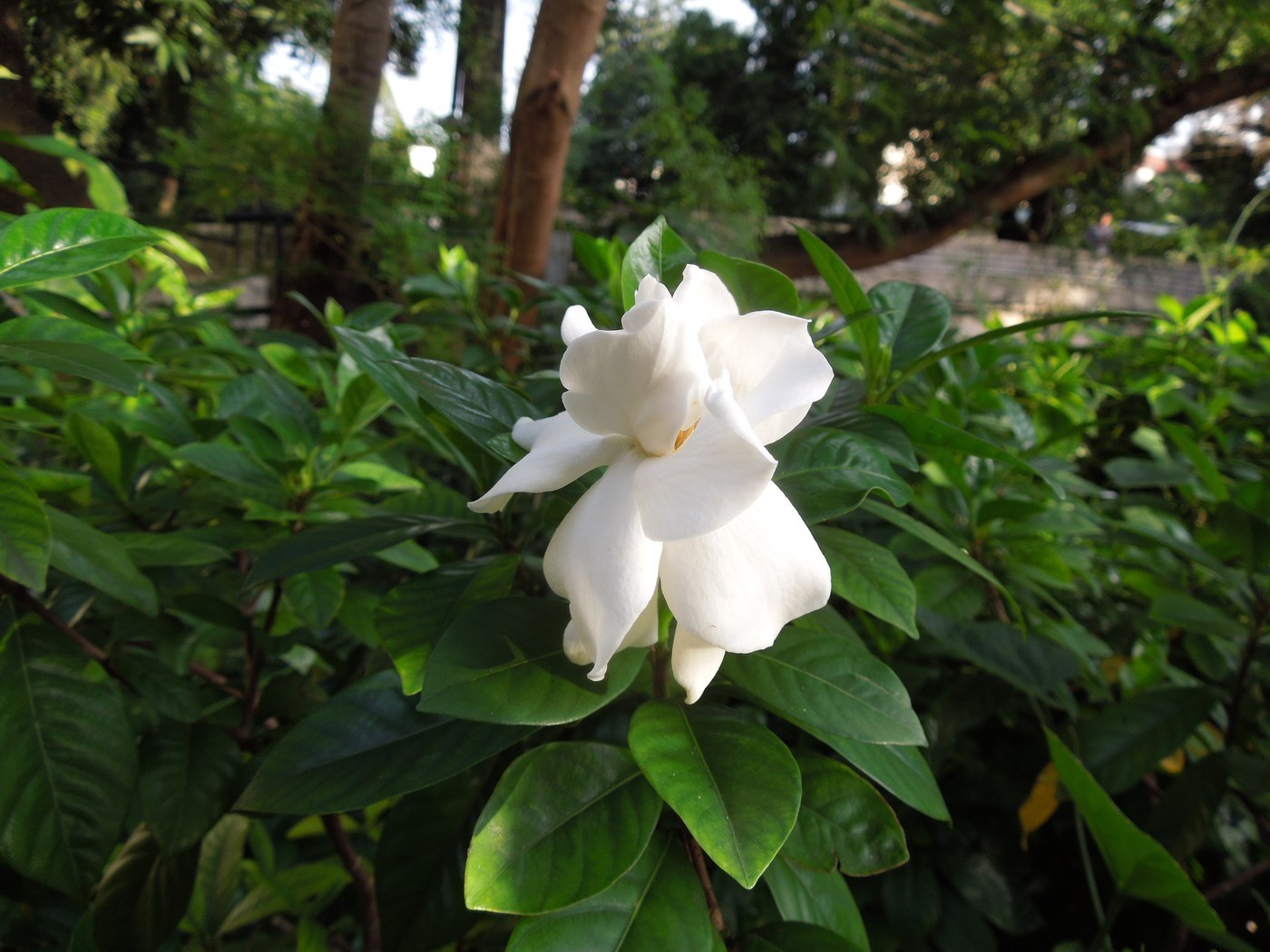
Gardenia (Gardenia jasminoides) is a glossy-leaved evergreen shrub famous for its intensely fragrant, waxy white flowers. Rewarding but demanding, it needs acidic soil, consistent moisture, warmth, and humidity to flourish, which makes it one of the more challenging ornamentals to keep happy.
Light
Gardenias want bright light with some direct sun. Morning sun with protection from harsh midday and afternoon rays is ideal, especially in hot climates where intense sun can scorch leaves and buds. Indoors, place near a bright window; too little light leads to sparse flowering, while excessive hot sun stresses the plant.
Water
Keep the soil evenly moist at all times, using acidic water where possible. Gardenias are sensitive to both drought and waterlogging, so aim for consistent moisture without sogginess. Let only the very top of the soil begin to dry before watering again. Rainwater or filtered water is preferable to hard tap water, which raises soil pH over time and causes yellowing. Erratic watering is a leading cause of bud drop.
Soil & Potting
Acidic soil is essential, ideally in the pH 5.0 to 6.0 range. Use a rich, well-draining, acid-formulated mix such as one blended for azaleas and camellias, amended with peat or composted bark. In containers, ensure good drainage and refresh the mix periodically, as gardenias struggle and yellow in alkaline conditions.
Humidity & Temperature
Gardenias love warmth and high humidity. Keep them in temperatures roughly between 65 and 75 F during the day with slightly cooler nights, which actually encourages bud formation. They dislike cold drafts and sudden temperature swings, which trigger bud drop. Indoors, raise humidity with a pebble tray, grouping plants, or a humidifier, since dry heated air causes bud and leaf problems.
Feeding
Feed regularly during the active growing season, spring through summer, with an acidic, fertilizer formulated for acid-loving plants. Feed roughly every few weeks while growing, then stop in late fall and winter. Iron chelate or a supplement for acid-lovers helps correct the yellowing between leaf veins that comes from high pH or nutrient lockout.
Propagation
Propagate from semi-hardwood stem cuttings taken in spring or early summer. Take 4 to 6 inch tips, remove lower leaves, optionally dip in rooting hormone, and root in a moist, well-draining acidic mix under warm, humid conditions. Bottom heat and covering to maintain humidity improve success. Rooting takes several weeks.
Repotting / Pruning
Repot in spring when rootbound, moving up one pot size into fresh acidic mix. Prune lightly right after the main flush of flowering to shape the plant and remove spent blooms and weak or crossing branches; avoid heavy pruning later in the year, which removes the next season's buds. Pinching young growth encourages a bushier habit.
Common Problems & Pests
The classic complaint is bud drop, caused by inconsistent watering, low humidity, temperature swings, or sudden environmental changes. Yellowing leaves usually signal high pH, iron deficiency, or overwatering. Gardenias attract sap-sucking pests including aphids, mealybugs, scale, whitefly, and spider mites, especially indoors; treat promptly with horticultural soap or oil and inspect regularly. Sooty mold often follows pest infestations and clears once the pests are controlled.
Seasonal Care Tips
In spring, repot if needed, resume feeding, and watch for buds. Through summer, keep moisture and humidity steady and feed regularly during peak growth and bloom. Prune just after flowering. In fall, taper feeding and watering as growth slows. In winter, keep the plant warm, away from drafts and heat vents, and reduce feeding while maintaining humidity and even moisture.
Frequently asked questions
Why are my gardenia's flower buds falling off?
Bud drop is usually caused by inconsistent watering, low humidity, cold drafts, or sudden temperature and location changes. Keep moisture, warmth, and humidity steady to prevent it.
Why are my gardenia leaves turning yellow?
Yellowing typically signals soil that is too alkaline, an iron deficiency, or overwatering. Use acidic water and acid-formulated soil, and consider an iron supplement for acid-loving plants.
What kind of soil do gardenias need?
Acidic, rich, well-draining soil around pH 5.0 to 6.0. An azalea or camellia mix amended with peat or composted bark works well; alkaline soil causes yellowing and poor growth.
How much light does a gardenia need?
Bright light with some direct sun, ideally morning sun with shade from harsh midday and afternoon rays. Too little light reduces flowering; intense hot sun scorches leaves and buds.
Why is gardenia considered hard to grow?
It demands a narrow set of conditions at once: acidic soil, steady moisture, warmth, and high humidity, plus protection from drafts. Any imbalance can trigger bud drop or yellowing.
Gardenia identified by the community
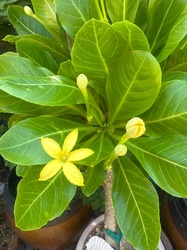
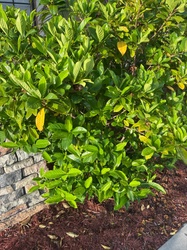
Recent Gardenia specimens identified with Plant Identifier.