
How to Care for Gasteria
Gasteria is a forgiving succulent with thick tongue-shaped leaves; give it bright indirect light and sparing water for easy success.
Read the full Gasteria encyclopedia entry →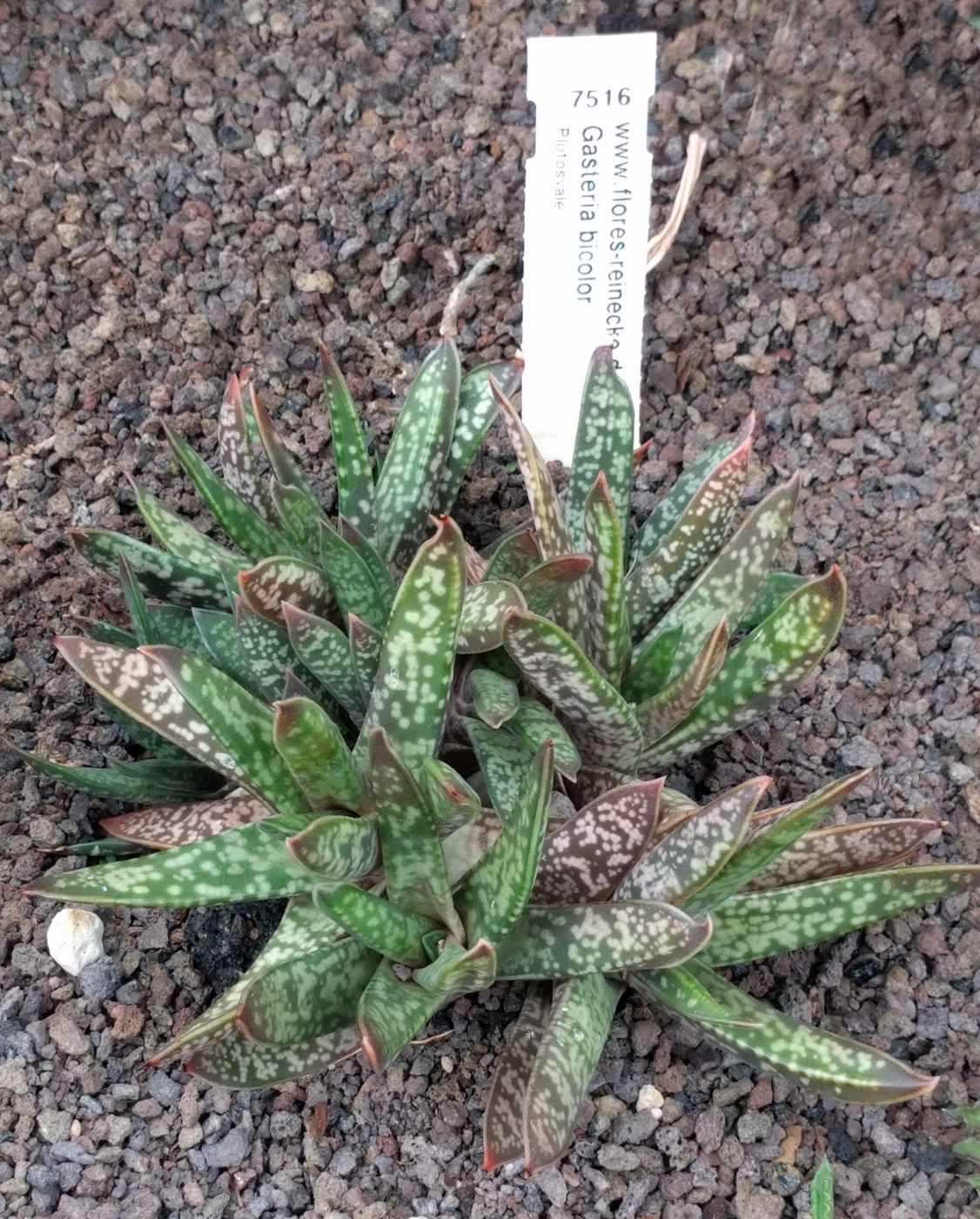
Gasteria (Gasteria bicolor) is a slow-growing South African succulent known for its thick, strap-shaped leaves arranged in tidy fans or rosettes, often mottled or banded. It is an easy, forgiving plant that tolerates lower light than many succulents, making it a reliable windowsill choice.
Light
Gasteria prefers bright indirect light and actually tolerates shadier conditions better than most succulents. An east- or north-facing window or a spot out of harsh direct sun is ideal. Protect it from intense, hot midday sun, which can scorch and bleach the leaves to a washed-out reddish or brown color. Gentle morning sun is fine, but bright, filtered light keeps the coloring and form at their best.
Water
Water sparingly, letting the soil dry out completely between waterings. Water thoroughly when the mix is dry during the growing season, then wait until it dries again. Gasteria stores water in its fleshy leaves and is very prone to rot if kept too wet. Water at the base and avoid letting water pool in the leaf crevices, which invites rot. Cut back sharply in winter.
Soil & Potting
Use a gritty, well-draining cactus and succulent mix, or amend standard potting soil generously with perlite, pumice, or coarse sand. Sharp drainage is essential. Plant in a pot with drainage holes; terracotta helps excess moisture evaporate. A relatively shallow pot suits the plant's slow, clumping growth.
Humidity & Temperature
Gasteria thrives in normal household temperatures and low humidity, doing well in the dry air of typical rooms. Keep it between about 50 and 80 degrees Fahrenheit and protect it from frost. It prefers a cooler, drier rest in winter. Good airflow helps prevent fungal issues on the fleshy leaves.
Feeding
Feed lightly, no more than once or twice during the spring and summer growing season, using a diluted succulent or low-nitrogen fertilizer. Gasteria grows slowly and needs little feeding; too much fertilizer causes soft, weak growth. Do not feed in winter.
Propagation
Gasteria propagates easily from offsets, leaf cuttings, and division. It readily produces pups around the base that can be separated with some roots and potted individually. For leaf cuttings, gently remove a whole healthy leaf, let the cut end callus for several days, then set it on dry succulent mix and water sparingly until roots and a new plantlet form. Patience is required, as rooting is slow.
Repotting / Pruning
Repot infrequently, every two to three years or when offsets crowd the pot, choosing a slightly larger container. Spring is the best time. Little pruning is needed; simply remove any shriveled, damaged, or dead lower leaves to keep the plant neat. Separating crowded offsets during repotting both tidies the clump and gives you new plants.
Common Problems & Pests
Overwatering and poor drainage are the main dangers, causing soft, translucent, mushy leaves and root rot; withhold water and repot into dry gritty mix to recover. Black or brown spots and marks can appear from water sitting in leaf crevices or from fungal infection in stagnant, humid conditions. Watch for mealybugs tucked between leaves and root mealybugs in the soil; treat promptly with insecticidal soap. Washed-out, scorched leaves indicate too much direct sun.
Seasonal Care Tips
In spring and summer, water when the soil dries and give a light feeding as growth picks up. Gasteria often blooms in spring, sending up an arching stalk of curved, tubular flowers. In fall, reduce watering as growth slows. In winter, give the plant a cool, bright, dry rest with only minimal water to keep the roots from shriveling; this rest supports healthy spring growth and flowering.
Frequently asked questions
How much light does a Gasteria need?
Bright indirect light is ideal. Gasteria tolerates lower light better than most succulents but should be shielded from harsh direct midday sun, which scorches and bleaches its leaves to a washed-out color.
Why are my Gasteria's leaves turning soft and mushy?
Soft, translucent, mushy leaves are a classic sign of overwatering and rot. Let the soil dry out completely between waterings, ensure the pot drains freely, and repot into gritty mix if the roots are affected.
How do I propagate Gasteria?
The easiest way is to separate the offsets, or pups, that form at the base and pot them up individually. You can also take a whole leaf, let it callus for several days, and lay it on dry succulent mix to root, though this is slow.
How often should I water Gasteria?
Water only when the soil has dried out completely, roughly every one to two weeks in the growing season and much less in winter. Avoid letting water pool in the leaf crevices, which can cause rot.