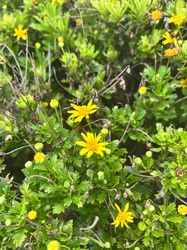
How to Care for Gazania
Easy-care guide to Gazania: full sun, low water, and the lean, well-drained conditions that keep its daisy-like blooms opening all season.
Read the full Gazania encyclopedia entry →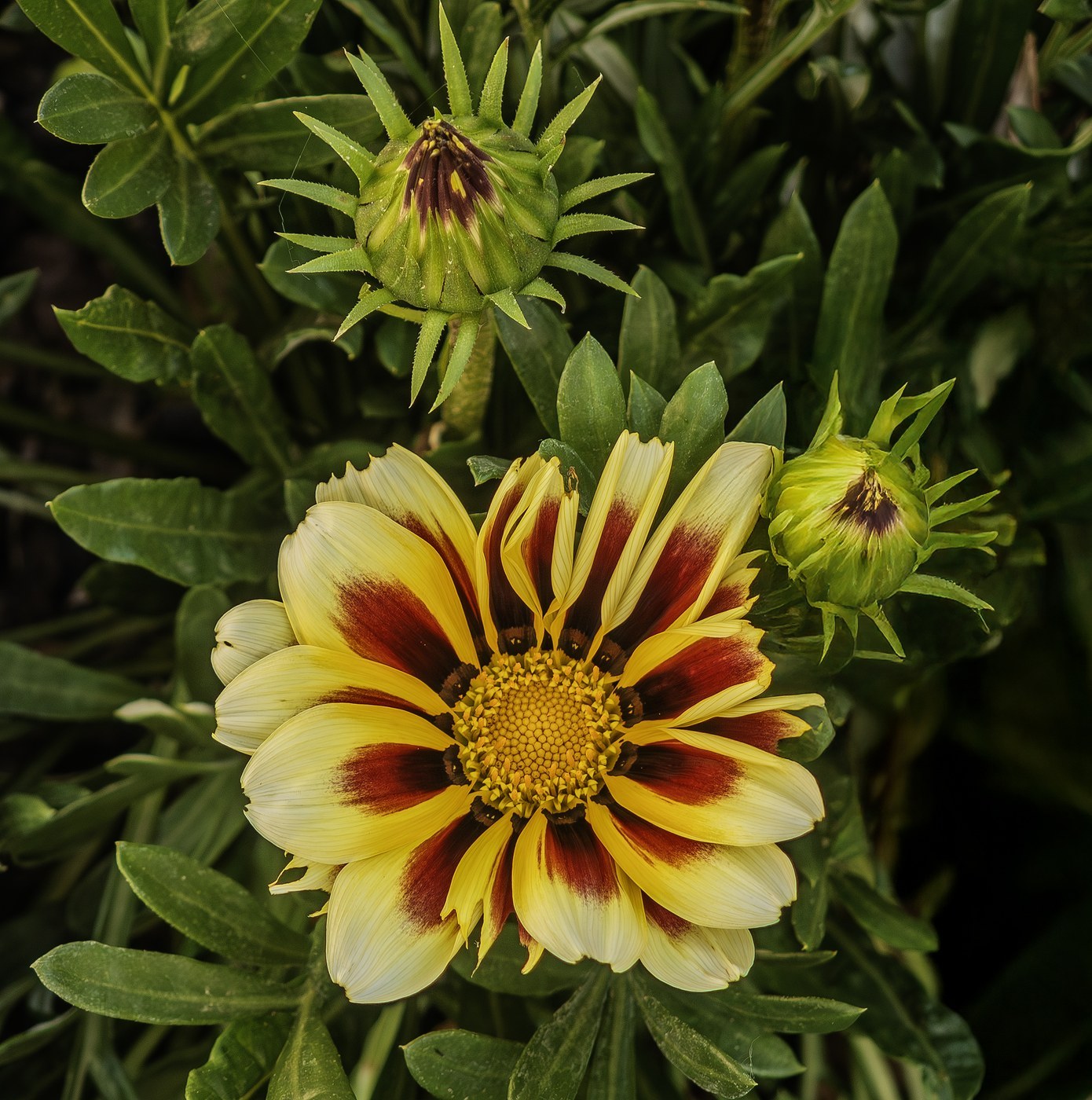
Gazania (Gazania rigens), often called the treasure flower, is a low, spreading sun-lover grown for its large, brilliantly colored daisy-like blooms in shades of orange, yellow, red, pink, and cream, frequently with striking dark or striped centers. It is a tough, heat- and drought-tolerant plant that thrives on neglect and hot, dry sites where fussier flowers falter.
Light
Gazania needs full sun, the more the better. The flowers actually open in response to sunlight and close in shade, on cloudy days, and at night, so a bright, unshaded position is essential for a long-lasting display. In too much shade, plants grow leggy, flower poorly, and the blooms stay stubbornly shut.
Water
Water is where Gazania is easiest: it is genuinely drought-tolerant and prefers to run on the dry side. Water young plants until established, then only during extended dry spells. Established plants store moisture in their fleshy roots and resent frequent watering; overwatering causes root rot, soft floppy growth, and fewer flowers. Let the soil dry between waterings and always avoid soggy conditions.
Soil & Potting
Sharp drainage is the key to happy Gazania. It thrives in light, sandy, even poor and lean soils, and tolerates rocky or gritty ground that would starve other plants. Heavy, wet clay is its main enemy. In containers, use a free-draining mix with added sand or perlite and always provide drainage holes. Rich, heavily amended soil produces lush foliage at the expense of flowers, so keep it lean.
Humidity & Temperature
Gazania loves heat and dry air and shrugs off coastal salt spray and reflected heat from paving. It is tender to frost and is usually grown as an annual in cold climates, or as a short-lived tender perennial in frost-free, warm regions (roughly USDA zones 9-11). Low humidity suits it perfectly; damp, muggy conditions encourage rot and disease.
Feeding
Feed sparingly, if at all. Gazania flowers best in lean soil, and heavy feeding produces leaves instead of blooms. A single light application of a balanced or low-nitrogen fertilizer at planting, or an occasional dilute feed for container plants, is more than enough. Overfeeding is a common cause of poor flowering.
Propagation
Gazania is easily grown from seed sown in warmth in late winter or early spring for summer bloom. Named cultivars and especially good color forms are propagated from basal cuttings or by dividing established clumps, which preserves the parent's flower color. In frost-free areas, plants can be lifted and divided to expand a planting.
Repotting / Pruning
Deadhead spent flowers regularly to keep new buds coming and to tidy the plant. Shear back leggy or tired growth in midseason to rejuvenate the mound and spur fresh flowering. Container plants can be potted on into slightly larger, free-draining pots as they fill out, and tender perennials overwintered under frost protection can be cut back and refreshed in spring.
Common Problems & Pests
Gazania is remarkably trouble-free when grown dry and sunny. Nearly all its problems trace back to too much water or poor drainage: root and crown rot, powdery mildew, and fungal leaf spots all thrive in wet, humid, or crowded conditions. Blooms that refuse to open usually mean insufficient sun. Occasional pests include aphids and spider mites on stressed plants. Prevention is simple: full sun, lean soil, sparse water, and good airflow.
Seasonal Care Tips
In spring, sow or plant out after frost danger passes, into a sunny, well-drained spot. Through summer, enjoy peak bloom, deadhead often, water only in drought, and shear back if plants sprawl. In fall, flowering tapers as light fades; in frost-free areas plants may continue, while in cold climates they finish as annuals. Where hardy, protect crowns from winter wet, which is more dangerous than cold, by ensuring excellent drainage.
Frequently asked questions
Why won't my Gazania flowers open?
Gazania blooms open in direct sunlight and close in shade, on overcast days, and at night. If flowers stay shut, the plant almost certainly needs a brighter, fully sunny position.
How often should I water Gazania?
Very little once established. Water young plants until rooted, then only during extended dry spells. It is drought-tolerant and prone to rot if overwatered, so let the soil dry between waterings.
Why is my Gazania all leaves and few flowers?
Too-rich soil, overfeeding, or too much shade cause leafy growth with sparse blooms. Grow it in lean, well-drained soil in full sun and feed sparingly for the best flowering.
Is Gazania a perennial or an annual?
It is a tender perennial in frost-free, warm climates (roughly USDA zones 9-11) but is grown as an annual where winters are cold, since it does not tolerate frost.
Gazania identified by the community
Recent Gazania specimens identified with Plant Identifier.