How to Care for Geranium
Grow Pelargonium x hortorum, a classic free-flowering bedding geranium, in full sun to bright light with water once the top inch dries.
Read the full Geranium encyclopedia entry →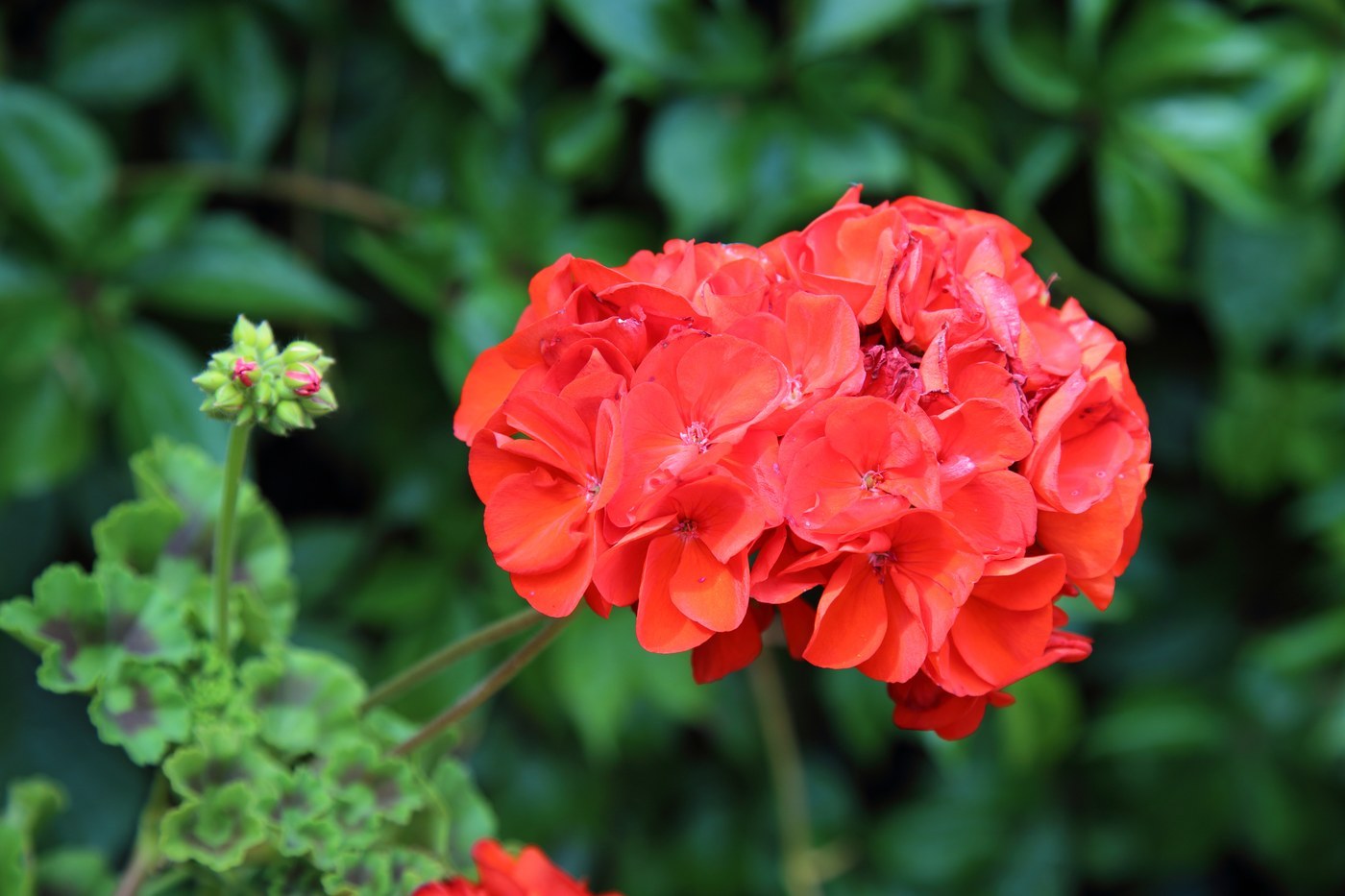
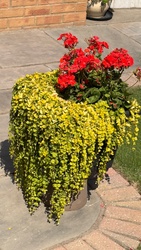
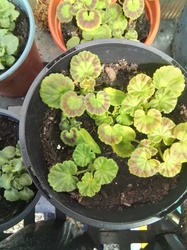
The garden geranium (Pelargonium x hortorum) is a classic, free-flowering plant loved for its rounded clusters of bright blooms and softly scalloped leaves. Easy and rewarding, it flowers all season in beds, borders, window boxes, and containers, and is simple to overwinter.
Light
Flowers best in full sun to very bright light, ideally six or more hours a day. Indoors, give it the brightest window available. Too little light causes stretched, leggy stems and sparse flowering; in the hottest climates a little afternoon shade prevents fading.
Water
Water when the top inch of soil dries, then water thoroughly until it drains freely. Geraniums prefer to dry slightly between waterings and dislike constantly soggy roots. Overwatering causes yellow leaves and rot, so err on the drier side, especially in cool or dim conditions.
Soil & Potting
Use a light, well-drained potting mix or fertile garden soil that never stays waterlogged. A slightly acidic to neutral pH suits it well. Containers must have drainage holes; geraniums actually flower more freely when slightly root-bound, so avoid oversized pots.
Humidity & Temperature
Enjoys warm days and average to low humidity with good air circulation. It is frost-tender, so move plants indoors or under cover before the first frost. Ideal growing temperatures are mild to warm; it slows and may drop leaves in cold, damp conditions.
Feeding
A moderate feeder that flowers best with regular feeding through the growing season. Apply a balanced or bloom-boosting liquid fertilizer every couple of weeks in spring and summer, or use a slow-release feed. Ease off feeding in autumn and winter as growth slows.
Propagation
Very easy from stem cuttings. Take three-to-four-inch tip cuttings in spring or late summer, remove the lower leaves, and root them in a gritty, barely moist mix; they root quickly. This is the standard way to overwinter favorites and multiply plants.
Repotting / Pruning
Repot in spring when roots fill the pot, moving up only one size. Deadhead spent flower clusters regularly to keep new blooms coming. Pinch young growing tips to encourage bushiness, and cut plants back by about a third before or after overwintering to renew them.
Common Problems & Pests
Overwatering is the top cause of trouble, leading to yellow leaves, stem rot, and fungal disease; keep soil on the drier side with good airflow. Botrytis (grey mold) can spot flowers and leaves in cool, damp weather, so remove faded blooms promptly. Watch for aphids, whitefly, and spider mites, treating early with insecticidal soap.
Seasonal Care Tips
Spring: repot, resume feeding, take cuttings, and move plants outdoors after frost. Summer: deadhead often, feed regularly, and water once the topsoil dries. Autumn: reduce watering and feeding and bring tender plants indoors before frost. Winter: keep cool and bright, water sparingly, and cut back leggy growth to prepare for spring.
Frequently asked questions
How much sun do geraniums need?
Full sun to very bright light, ideally six or more hours a day, for the best flowering. Too little light makes them leggy with few blooms.
How often should I water geraniums?
Water when the top inch of soil dries, then soak thoroughly. They prefer to dry slightly between waterings and hate soggy roots.
How do I keep geraniums blooming all season?
Deadhead spent flower clusters regularly, feed every couple of weeks in spring and summer, and give them plenty of bright light.
Can I grow geraniums from cuttings?
Yes, very easily. Take three-to-four-inch tip cuttings in spring or late summer and root them in a gritty, barely moist mix.
Why are my geranium leaves turning yellow?
Usually overwatering. Let the soil dry more between waterings, ensure good drainage and airflow, and avoid leaving roots soggy.
Geranium identified by the community
Recent Geranium specimens identified with Plant Identifier.