
How to Care for Gladiolus
Gladiolus produces tall, dramatic flower spikes from corms; plant in full sun and rich, moist soil, and stake the towering blooms for cutting.
Read the full Gladiolus encyclopedia entry →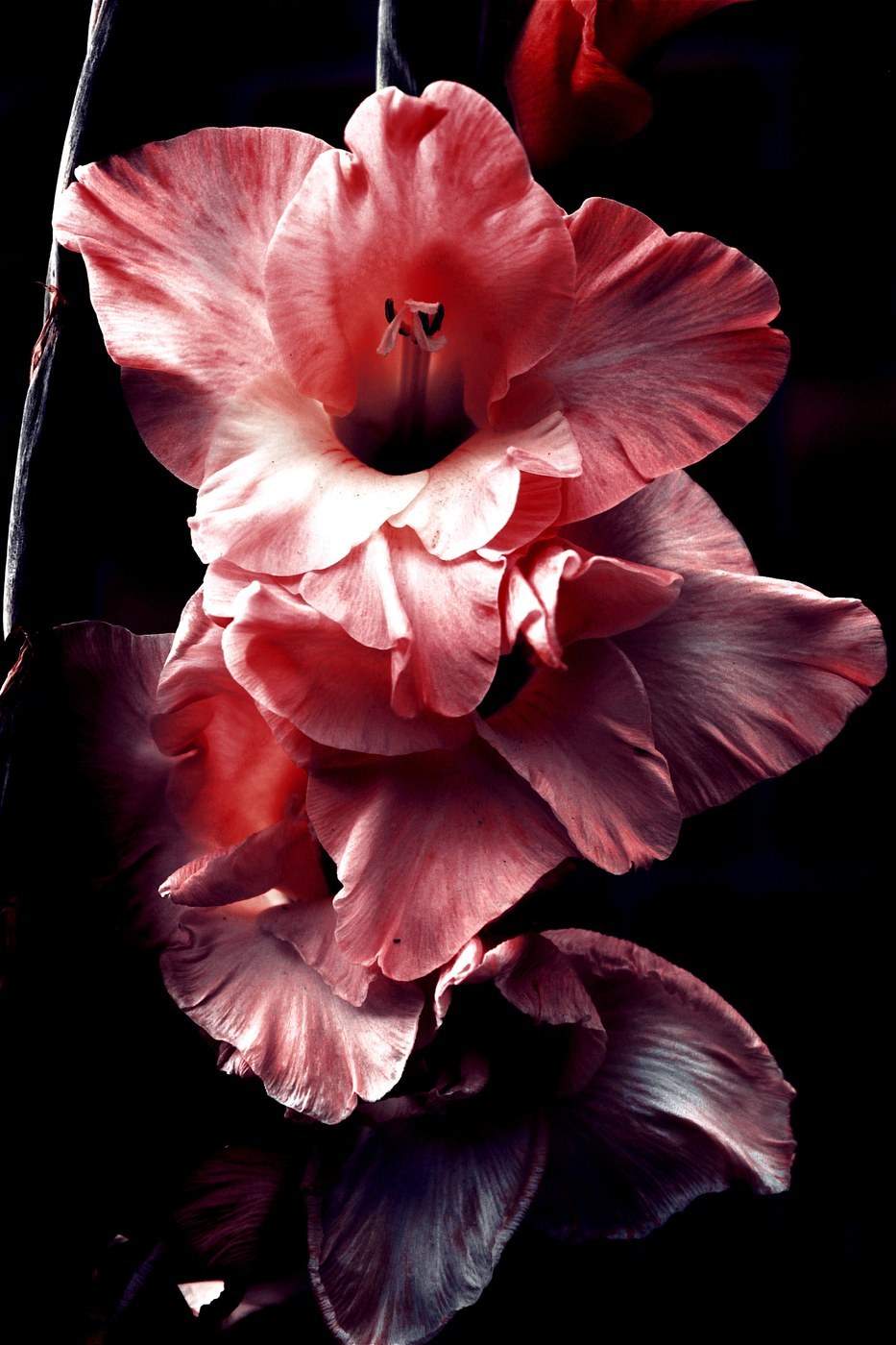
Gladiolus, sometimes called sword lily, grows from corms into tall, dramatic flower spikes lined with large, funnel-shaped blooms in nearly every color. Beloved as a summer cut flower, it is straightforward to grow but rewards attention to planting depth, staking, and staggered timing.
Light
Gladiolus needs full sun, at least six to eight hours of direct light daily, to produce strong stems and full spikes of bloom. In too much shade the flowers are sparse, the stems weak, and the plants lean toward the light. Choose your sunniest, most open bed.
Water
Keep the soil evenly moist throughout the growing and flowering period, as reflected in this plant's care needs. Provide roughly an inch of water per week, more in hot, dry weather, and water deeply so moisture reaches the developing roots. Consistent moisture is especially important as flower spikes form and open. Avoid waterlogging, which can rot the corms; ensure the soil drains while staying reliably moist.
Soil & Potting
Plant in fertile, well-drained soil enriched with compost or aged organic matter. A slightly sandy loam with good drainage is ideal, as heavy, soggy ground causes corm rot. A neutral to slightly acidic pH suits them. Plant corms about four to six inches deep and roughly six inches apart, pointed end up, after the danger of frost has passed. In containers, use a deep pot with rich, free-draining mix.
Humidity & Temperature
Gladiolus grows during warm weather and is planted after the soil warms in spring. In most climates (roughly zones 8 and warmer) corms can overwinter in the ground, but in colder regions they are frost-tender and must be lifted and stored dry over winter. They tolerate ordinary summer humidity but appreciate good airflow to discourage foliar disease.
Feeding
Feed for robust spikes. Work a balanced fertilizer into the bed at planting, then side-dress with a low-nitrogen, higher-potassium fertilizer when the flower spikes begin to emerge, and again after bloom to help the corm recharge for next year. Avoid excess nitrogen, which favors leaves over flowers.
Propagation
Gladiolus multiplies naturally by producing small cormels (baby corms) around the base of the parent corm. Lift these when digging in autumn, separate them, and grow them on; they take a year or two to reach flowering size. Corms can also be started from seed, but this is slow and mainly of interest to hybridizers. Dividing and replanting cormels each year steadily increases your stock.
Repotting / Pruning
For cutting, harvest spikes when the lowest one or two florets begin to open, leaving at least four leaves on the plant so the corm can rebuild. Deadhead faded flowers to keep energy in the corm. After bloom, leave the foliage to yellow naturally before cutting it down, then lift the corms in cold climates once frost blackens the tops. Cure the lifted corms in a dry, airy place for a couple of weeks and store them cool and dry until spring.
Common Problems & Pests
Thrips are the most notorious pest, causing silvery streaking and distorted, discolored blooms; inspect and treat promptly and dust stored corms to prevent carryover. Aphids may also appear. Fungal and bacterial issues such as botrytis, fusarium corm rot, and gladiolus rust are encouraged by wet, crowded conditions, so space plants, water at the base, and discard any soft or diseased corms. Tall spikes are prone to toppling, so stake individually or plant in blocks for mutual support.
Seasonal Care Tips
For a long display, plant corms in succession every one to two weeks from spring into early summer, giving waves of bloom through the season. Keep soil moist and feed as spikes form. Stake early to avoid wind damage. In autumn, lift and store corms in frost-prone areas, or leave them in place with a protective mulch in mild-winter regions.
Frequently asked questions
How deep should I plant gladiolus corms?
Plant corms about four to six inches deep and roughly six inches apart, with the pointed growing tip facing up, once the soil has warmed and frost danger has passed. Deeper planting also helps anchor the tall stems.
How do I get gladiolus to bloom all summer?
Plant corms in succession, a new batch every one to two weeks from spring into early summer. This staggered planting produces a continuous series of flower spikes rather than one brief flush of bloom.
Do I need to dig up gladiolus corms for winter?
In cold climates, yes. Gladiolus corms are frost-tender, so lift them after the first frost, cure them in a dry, airy spot for a couple of weeks, and store them cool and dry until spring. In mild-winter regions they can stay in the ground under mulch.
Why are my gladiolus flowers streaked and distorted?
Silvery streaking and deformed blooms are classic signs of thrips, the plant's most common pest. Treat affected plants promptly, keep the bed clean, and dust stored corms before winter to prevent thrips from carrying over to the next season.