How to Care for Globe Amaranth
Grow cheerful, drought-tolerant Globe Amaranth with tips on full sun, watering, soil and feeding for long-lasting clover-like blooms.
Read the full Globe Amaranth encyclopedia entry →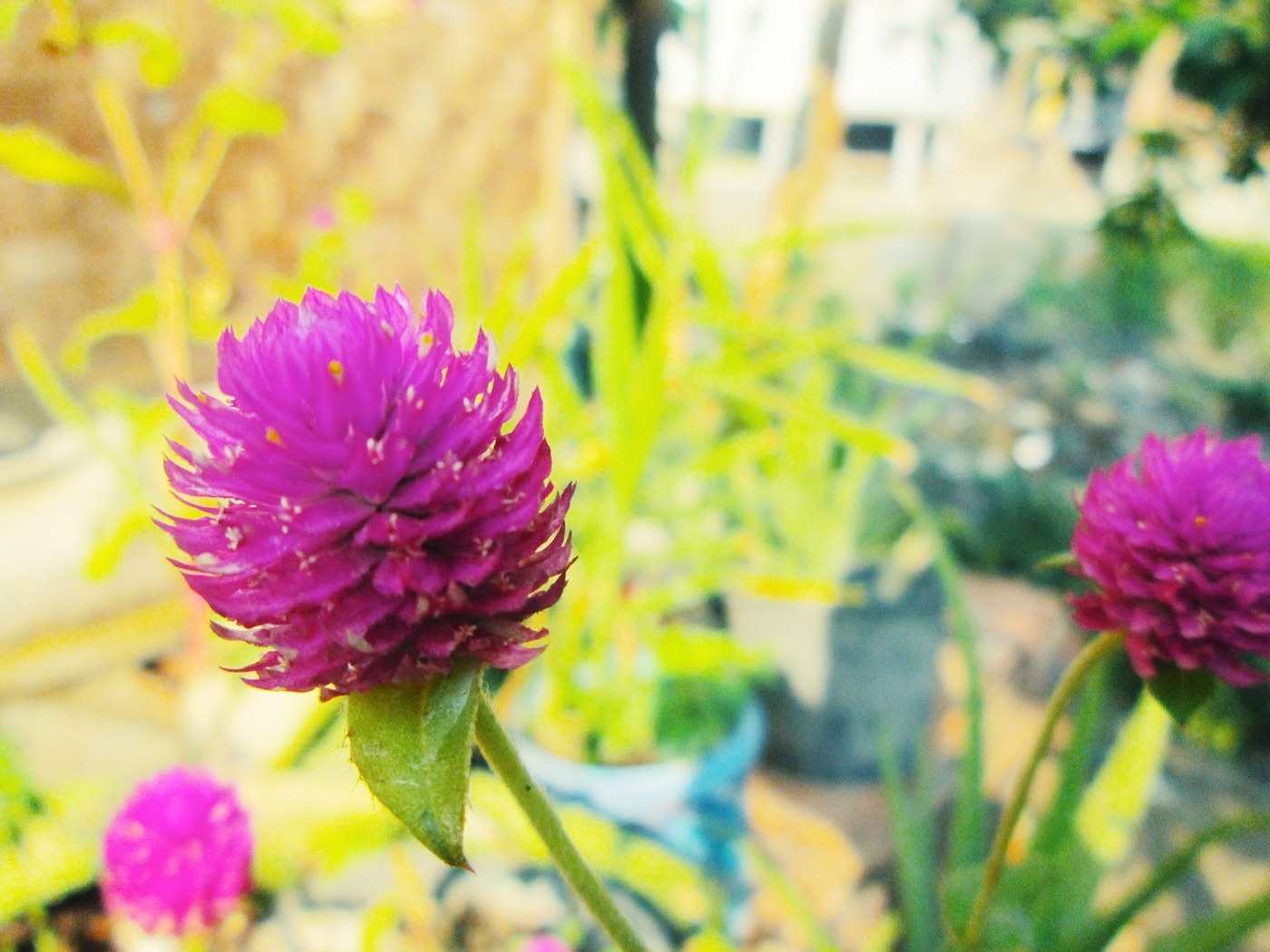
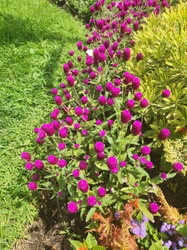
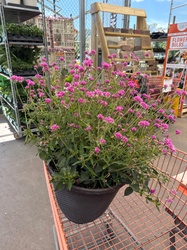
Globe Amaranth (Gomphrena globosa) is a tough, heat-loving annual grown for its round, clover-like flower heads in magenta, purple, pink, orange, and white. It thrives in hot, sunny spots, shrugs off drought, and blooms nonstop from summer until frost, making it a favorite for beds, borders, and dried-flower arrangements.
Light
Globe Amaranth demands full sun, at least 6-8 hours of direct light daily. Full sun produces the sturdiest, most compact plants and the heaviest flush of blooms. In too much shade the stems stretch, flowering drops off, and plants become floppy. It is one of the best performers for hot, exposed sites where many flowers struggle.
Water
This is a genuinely drought-tolerant plant with low to moderate water needs. Water regularly to establish young transplants, then let the soil dry out between waterings. Once established, Globe Amaranth handles heat and dry spells with ease and actually prefers being kept on the drier side. Avoid overwatering and soggy soil, which invite root and stem rot. A deep soak during prolonged drought keeps it blooming freely.
Soil & Potting
Globe Amaranth is not fussy about soil but insists on good drainage. It grows in average to poor soils, including sandy and rocky ground, and tolerates a wide pH range. Heavy, wet clay is its main enemy; amend such soils with compost and grit to improve drainage. In containers, use a free-draining potting mix and a pot with drainage holes.
Humidity & Temperature
A warm-season annual, Globe Amaranth loves heat and tolerates high humidity as well as dry air. It thrives once temperatures are reliably warm and grows best in the 70-90F (21-32C) range. It has no frost tolerance and will be killed by the first hard freeze, so it is grown as a summer annual in cold climates and set out only after all danger of frost has passed.
Feeding
Globe Amaranth is a light feeder that flowers well in lean soil. Work a little compost or a balanced slow-release fertilizer into the bed at planting. Over-feeding, especially with high-nitrogen fertilizer, produces lush foliage at the expense of blooms and can make plants floppy. A light monthly feed of balanced fertilizer is plenty for container plants.
Propagation
Globe Amaranth is grown from seed. Start seeds indoors 6-8 weeks before the last frost, barely covering them, and provide warmth for germination, which can be slow and uneven; soaking seeds beforehand helps. Transplant seedlings outdoors after frost danger passes and the soil has warmed. In warm climates it self-sows readily, and the dried flower heads hold seed for collecting.
Repotting / Pruning
As an annual, Globe Amaranth is not repotted long-term, but container plants benefit from being moved into their final pot once nights stay warm. Pinch young plants when they are a few inches tall to encourage branching and more blooms. Deadheading is optional since the papery flowers hold their color for a long time, but removing spent blooms keeps plants tidy and encourages continued flowering. Cut stems for drying just as the flowers reach full color.
Common Problems & Pests
Globe Amaranth is largely trouble-free. In damp conditions or crowded plantings it can develop powdery mildew or leaf spot, so space plants for good airflow and avoid overhead watering. Root and stem rot occur in poorly drained, overwatered soil. Occasional pests include aphids and leaf miners; these are usually minor and can be managed with insecticidal soap and good garden hygiene.
Seasonal Care Tips
Sow or plant out only after the last frost and once soil has warmed. Through summer, enjoy near-continuous bloom with minimal care; water during extended dry spells and pinch or deadhead for shape. As the flowers are excellent for drying, harvest stems at peak color in mid to late summer. In fall the plants will die back with the first frost; pull spent plants and, if desired, collect dried seed heads for next season.
Frequently asked questions
How much sun does Globe Amaranth need?
It needs full sun, at least 6-8 hours of direct light per day. Full sun keeps plants compact and sturdy and produces the most flowers; in shade the stems stretch and blooming drops off.
How often should I water Globe Amaranth?
Water regularly until young plants are established, then let the soil dry between waterings. Once established it is drought-tolerant and prefers the drier side, so avoid overwatering, which can cause rot.
Can I grow Globe Amaranth from seed?
Yes. Start seeds indoors 6-8 weeks before the last frost, barely covering them and keeping them warm; germination can be slow, and soaking the seeds first helps. Transplant outdoors after frost danger has passed and the soil has warmed.
Is Globe Amaranth good for dried flowers?
Yes, it is one of the best flowers for drying. The papery, ball-shaped blooms hold their color well. Cut stems at peak color and hang them upside down in a dry, airy spot to preserve them.
Globe Amaranth identified by the community
Recent Globe Amaranth specimens identified with Plant Identifier.