Globe Amaranth Identification Guide
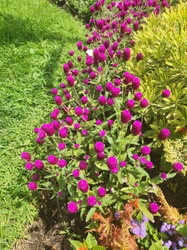
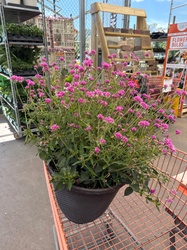
Recognize globe amaranth (Gomphrena globosa) by its round, clover-like papery flower heads in magenta, purple, pink, and white, held on stiff, branching stems.
Read the full Globe Amaranth encyclopedia entry →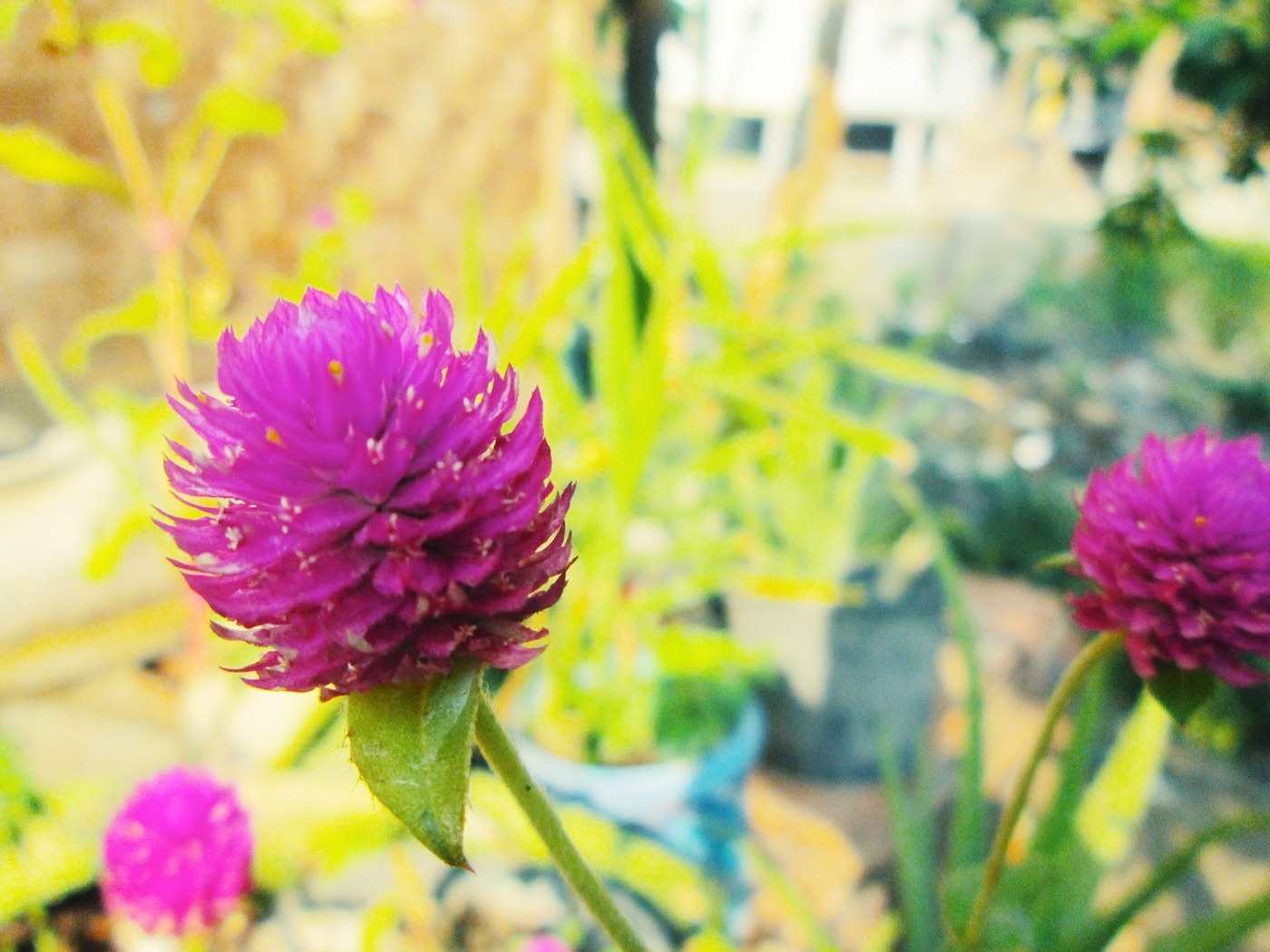
Key Identifying Features
Globe amaranth (Gomphrena globosa) is identified by its round to oval, clover-shaped flower heads made of stiff, papery bracts, most commonly in bright magenta-purple, but also pink, red, white, and lavender. Like the strawflower, the colorful parts are dry bracts, so the heads keep their color when dried.
- Globe-shaped flower clusters about ¾–1 inch across
- Papery, everlasting texture
- Vivid magenta, purple, pink, red, or white
- Bushy, branching plant 1–2 feet tall
Leaves & Stems
Leaves are oval to oblong, opposite, and a slightly grayish-green, often covered in fine white hairs that give a soft, downy look, especially on new growth. Stems are upright, branching, and somewhat jointed and swollen at the nodes, ending in a single round flower head on a long bare stalk (peduncle). The plant forms a tidy, rounded mound.
Flowers & Fruit
The 'flowers' are dense heads of papery bracts; the true flowers are tiny and hidden among them, sometimes showing as small yellow specks. The heads are firm and clover- or globe-like, sitting above the foliage on slender stalks. They bloom continuously from summer to frost and are extremely long-lasting both on the plant and when cut or dried. Tiny seeds develop within the dried heads.
How to Tell It Apart from Look-Alikes
- Clover (Trifolium): Has similar rounded heads but soft (not papery) flowers and trifoliate (three-part) leaves; globe amaranth has simple opposite leaves and dry, crackly heads.
- Strawflower: Has flat, daisy-like papery heads, not round clover-like ones.
- Bachelor's button: Has fringed open flowers, not tight papery globes.
- The firm, papery, globe/clover-shaped head on a bare stalk identifies Gomphrena.
Where You'll Find It
Globe amaranth is a heat- and drought-tolerant garden annual popular in beds, borders, containers, and cutting and dried-flower gardens. Native to Central America, it thrives in full sun and tolerates poor soil and humidity, blooming nonstop in summer heat. It attracts butterflies and is a common choice for low-maintenance color and everlasting bouquets.
Quick ID Checklist
- Round, clover-like, papery flower heads
- Bright magenta, purple, pink, red, or white color
- Opposite, downy, grayish-green leaves
- Heads on long bare stalks above a 1–2 ft mound
- Color and shape persist when dried
Frequently asked questions
Why do globe amaranth flowers feel papery?
The colorful round heads are made of stiff, dry bracts rather than soft petals, giving them a papery, everlasting texture. This is why they hold their color when dried for arrangements.
What colors does globe amaranth come in?
The most common is bright magenta-purple, but it also appears in pink, red, white, and lavender. The vivid globe-shaped papery heads on bare stalks help confirm the plant.
How is globe amaranth different from clover?
Both have rounded heads, but globe amaranth heads are stiff and papery and its leaves are simple and opposite, while clover heads are soft and its leaves are divided into three leaflets.
Is globe amaranth good for drying?
Yes. Because the flower heads are made of papery bracts, they retain their shape and bright color for a long time when air-dried, making them a classic everlasting flower.
Globe Amaranth identified by the community
Recent Globe Amaranth specimens identified with Plant Identifier.