
How to Care for Golden Pothos
Golden Pothos is a forgiving trailing houseplant with marbled gold-and-green leaves; give bright indirect light and water when the top inch dries.
Read the full Golden Pothos encyclopedia entry →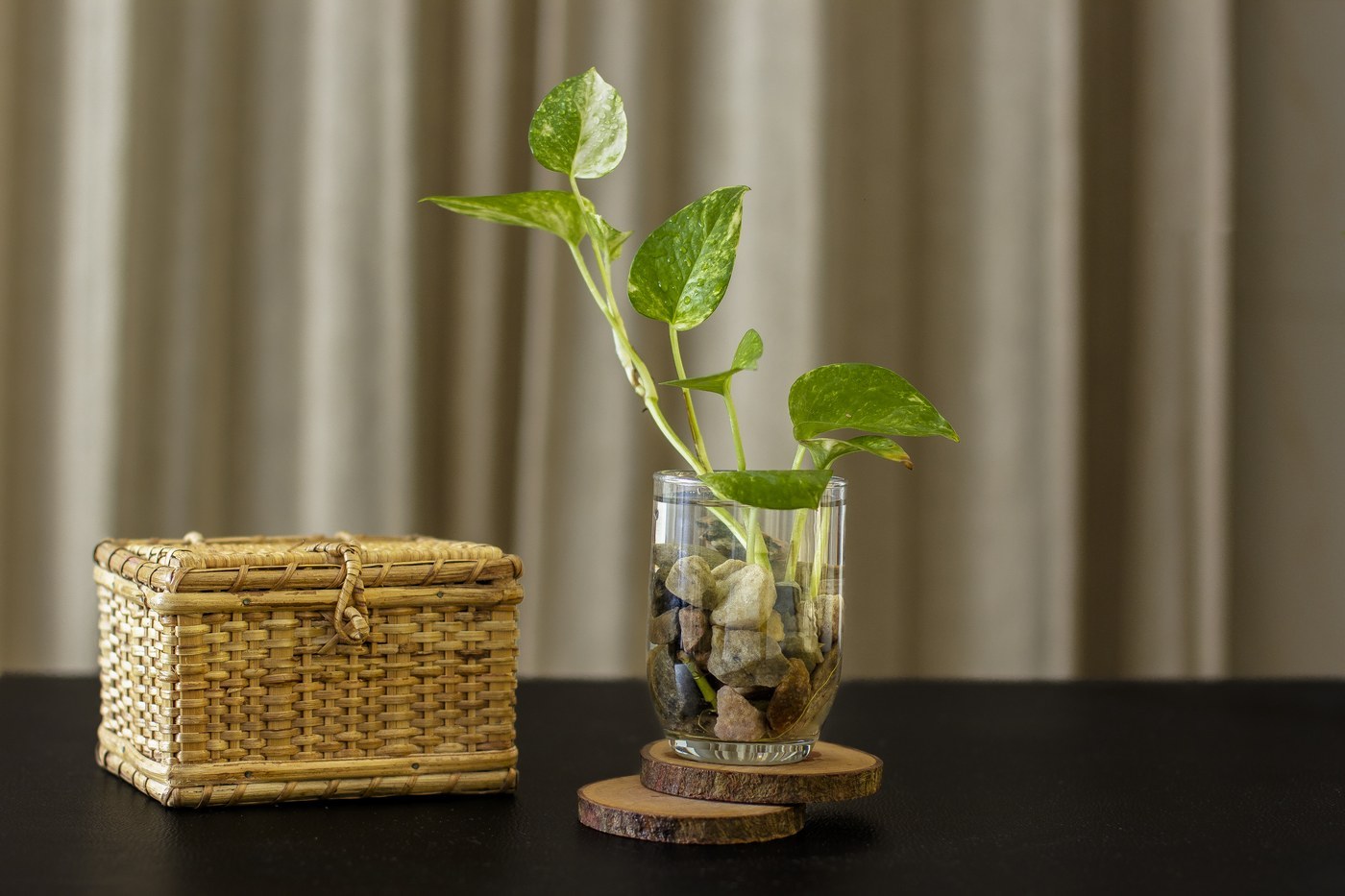
Golden Pothos (Epipremnum aureum) is one of the easiest and most popular trailing houseplants, valued for its heart-shaped leaves marbled in green and creamy gold and its cascading or climbing vines. It is remarkably forgiving of neglect and adapts to a wide range of indoor conditions, making it ideal for beginners.
Light
Golden Pothos tolerates low light but grows fastest and keeps its brightest gold variegation in bright, indirect light. In dim corners it survives but grows slowly and reverts toward plainer green foliage. Avoid harsh direct sun, which can scorch and fade the leaves. An east or north window, or a few feet back from a brighter one, works well.
Water
Water when the top inch of soil dries out, then water thoroughly until it drains from the bottom. Pothos prefers to dry slightly between waterings and dislikes staying soggy; overwatering is the most common cause of trouble. Drooping, limp leaves can signal either extreme, so check the soil before watering. It tolerates occasional underwatering better than constant wetness.
Soil & Potting
Use a well-draining, general-purpose potting mix in a pot with drainage holes. A blend with some perlite or bark improves aeration and helps prevent root rot. Pothos is not fussy about soil and grows happily in standard houseplant mix. It can also be grown in a jar of water, though it establishes best in soil.
Humidity & Temperature
Average household humidity is fine, though the plant appreciates a bit more and rewards it with lusher growth. Keep it in warm room temperatures, roughly 65 to 85F (18 to 29C), and away from cold drafts, heating vents, and temperatures below about 50F (10C). It is a tropical plant and dislikes cold.
Feeding
Feed with a balanced, diluted liquid houseplant fertilizer roughly monthly during the active growing season of spring and summer. Reduce or stop feeding in autumn and winter when growth slows. Pothos is a light feeder, and over-fertilizing can cause leaf-tip burn.
Propagation
Propagation is very easy from stem cuttings. Cut a section with several leaves and at least one or two nodes, then root it in water or directly in moist potting mix. Roots form readily at the nodes within a couple of weeks. Pot up water-rooted cuttings once roots are an inch or two long. Take several cuttings to make a fuller plant.
Repotting / Pruning
Repot every one to two years, or when roots fill the pot and circle the drainage holes, moving up one pot size in spring. Prune anytime to control length and encourage bushiness; cutting just above a node prompts branching. Regular trimming keeps vines full rather than sparse and leggy, and the trimmings can be rooted as new plants.
Common Problems & Pests
Yellowing leaves most often indicate overwatering or poor drainage, while brown, crispy edges suggest dry air, underwatering, or fertilizer buildup. Loss of variegation usually means insufficient light. Leggy, sparse growth also points to low light. Watch for mealybugs, spider mites, and scale; wipe them off or treat with insecticidal soap. Ensure the pot drains freely to prevent root rot.
Seasonal Care Tips
In spring and summer, growth is active; water as the top inch dries, feed monthly, and repot or take cuttings as needed. In autumn and winter, growth slows, so water less often and pause feeding. Keep the plant away from cold windows and drafts in winter, and dust or wipe the leaves periodically year-round to keep them glossy and photosynthesizing well.
Frequently asked questions
Why is my Golden Pothos losing its gold variegation?
Fading, plainer green leaves usually mean the plant is not getting enough light. Move it to a spot with brighter indirect light to restore the creamy gold marbling on new growth.
How often should I water Golden Pothos?
Water when the top inch of soil feels dry, then water thoroughly and let it drain. Let it dry slightly between waterings rather than keeping it soggy, since overwatering is the most common problem.
Why are the leaves turning yellow?
Yellow leaves most often signal overwatering or a pot that drains poorly. Check that the soil is not staying wet, ensure the pot has drainage holes, and let the mix dry out more between waterings.
How do I make my pothos fuller instead of leggy?
Give it brighter indirect light and prune the vines regularly, cutting just above a node to encourage branching. You can also root the trimmings and tuck them back into the pot for a denser plant.