
How to Care for Grapefruit Tree
A sun-loving ornamental citrus with glossy evergreen leaves and fragrant white blossoms that needs full sun and deep, careful watering.
Read the full Grapefruit Tree encyclopedia entry →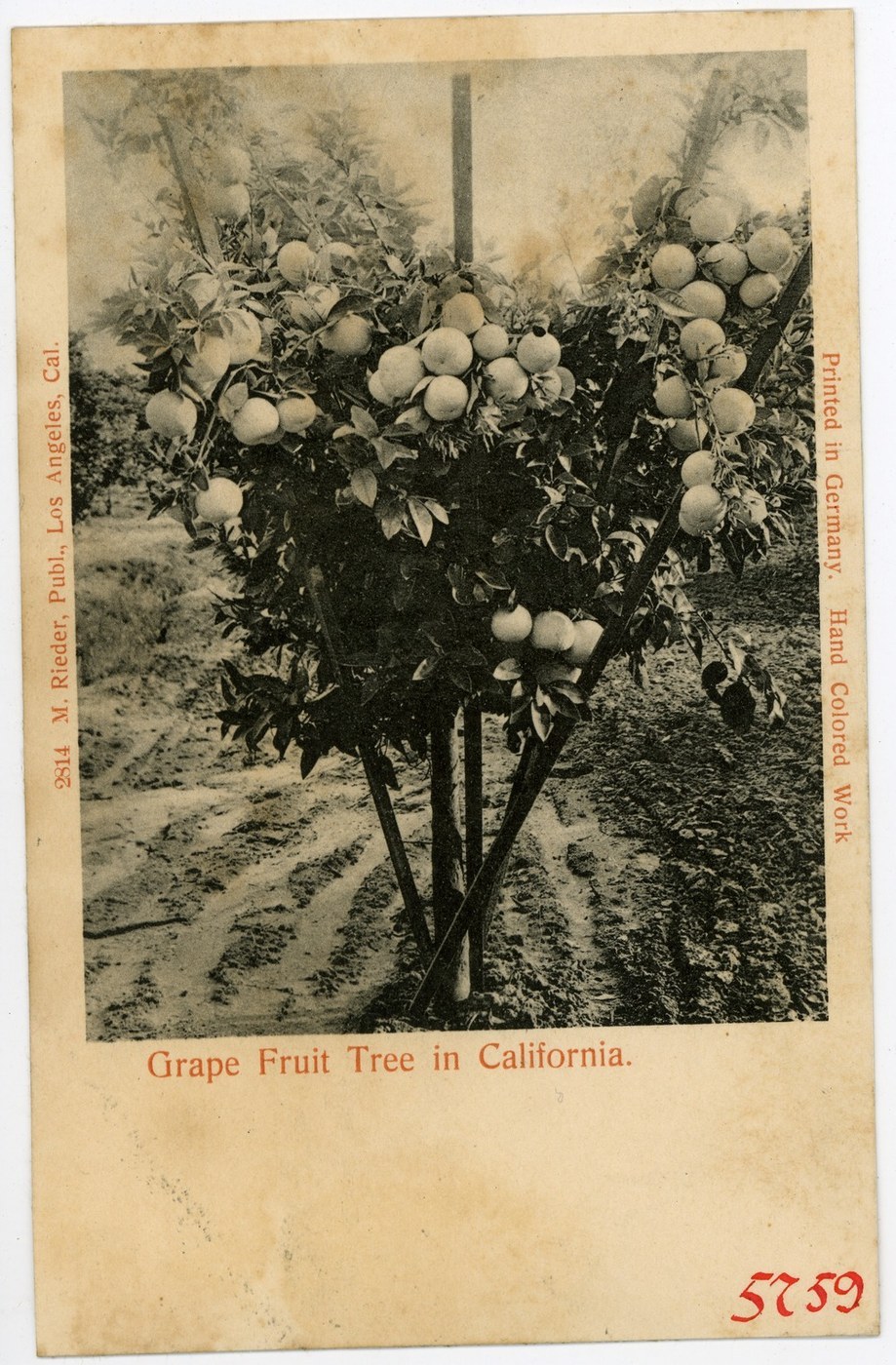
The Grapefruit Tree (Citrus x paradisi) is a handsome evergreen citrus grown for its glossy foliage, intensely fragrant white spring blossoms, and ornamental fruit. With full sun and attentive watering it makes a striking specimen in the garden or a large container.
Light
Grapefruit trees demand full sun, ideally at least eight hours of direct light daily. Outdoors, choose the brightest, warmest spot available. Indoors or in a greenhouse, place near a large south-facing window and supplement with grow lights in winter if needed. Too little light leads to sparse foliage and poor flowering.
Water
Water deeply and allow the top few inches of soil to dry before watering again. Deep, infrequent soaking encourages a strong root system, while frequent shallow watering does not. Consistency matters, as erratic moisture can cause leaf and fruit drop. Ensure excellent drainage, since citrus roots dislike standing water.
Soil & Potting
Use a well-draining, slightly acidic soil. In containers, a citrus-specific mix or a blend of potting soil with sand and bark works well. In the ground, plant in loamy soil on a slight mound to improve drainage. Always provide large drainage holes for potted trees.
Humidity & Temperature
Grapefruit is a subtropical tree that thrives in warmth, ideally 70 to 90 F (21 to 32 C) by day. It is sensitive to frost, so protect or bring container trees indoors when temperatures approach freezing. Moderate humidity suits it, and indoor trees benefit from occasional misting or a nearby humidity tray.
Feeding
Feed regularly during the growing season with a fertilizer formulated for citrus, which supplies extra nitrogen plus micronutrients like iron, zinc, and magnesium. Follow a spring-through-late-summer schedule and reduce feeding in cooler months. Yellowing between leaf veins often signals a micronutrient deficiency to correct.
Propagation
Grapefruit is usually propagated by grafting named varieties onto hardy rootstock, which produces true-to-type trees. Semi-hardwood cuttings can sometimes be rooted under humid conditions, though seed-grown trees are slow and variable. Grafted nursery stock gives the most reliable results.
Repotting / Pruning
Repot container trees every two to three years in spring, moving up one pot size. Prune to shape the canopy, remove crossing or dead branches, and clear any shoots sprouting below the graft union. Light annual pruning keeps the tree open, airy, and manageable.
Common Problems & Pests
Watch for aphids, scale, citrus leaf miner, and spider mites; treat with horticultural oil or insecticidal soap. Yellowing leaves can indicate overwatering, poor drainage, or nutrient deficiency. Sudden leaf drop often follows cold exposure, drafts, or inconsistent watering.
Seasonal Care Tips
Most growth and blooming occur in spring and summer, the time to concentrate feeding and watering. In winter, protect from cold, reduce water, and pause heavy fertilizing. Move container trees to shelter well before the first frost.
Frequently asked questions
How much sun does a grapefruit tree need?
It needs full sun, ideally eight or more hours of direct light daily. Indoors, place it at a bright south-facing window and consider supplemental grow lights.
Why are my grapefruit tree leaves turning yellow?
Yellowing often stems from overwatering, poor drainage, or a nutrient deficiency such as iron or magnesium. Check drainage and feed with a citrus fertilizer.
Can I grow a grapefruit tree in a pot?
Yes, dwarf grafted varieties grow well in large containers with citrus mix and good drainage. Move them indoors or shelter them before frost.
How often should I water a grapefruit tree?
Water deeply when the top few inches of soil dry out. Deep, infrequent watering builds strong roots, while soggy soil harms them.