
Green Bean Identification Guide
Identify the green bean plant (Phaseolus vulgaris) by its trifoliate leaves, twining or bushy habit, butterfly-shaped flowers, and slender pods.
Read the full Green Bean encyclopedia entry →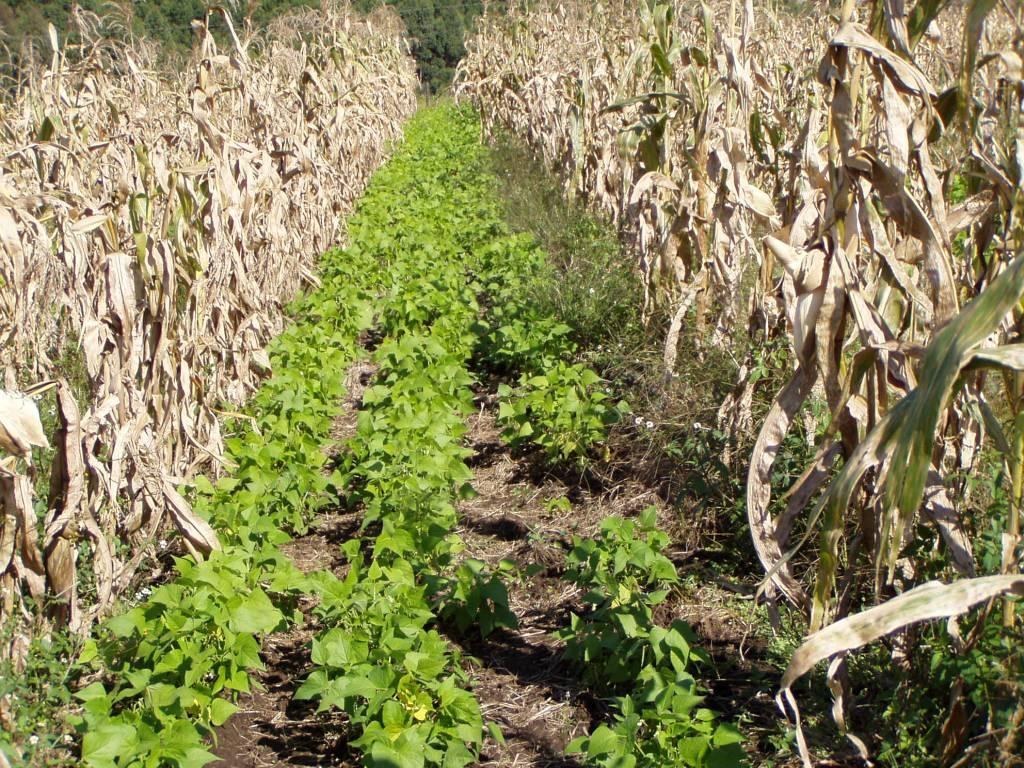
Key Identifying Features
The green bean (Phaseolus vulgaris, also called string or snap bean) is a warm-season annual legume in the pea family (Fabaceae). Identify it by trifoliate leaves (three leaflets), a bushy or twining/climbing habit, small butterfly-shaped (pea-type) flowers, and the familiar long, slender green pods that snap cleanly when fresh.
Leaves & Stems
- Leaves are compound with three broad, heart- to diamond-shaped leaflets, slightly hairy, on long stalks, arranged alternately.
- Two growth habits: bush beans form a low compact mound (30–60 cm), while pole beans twine counterclockwise up supports to 2–3 m.
- Stems are thin, green, and slightly hairy; pole types climb by twining the whole stem (no tendrils).
Flowers & Fruit
- Flowers are typical pea-family (papilionaceous) blooms — a large upper banner petal, two wings, and a keel — about 1–1.5 cm, in white, pink, or pale lilac.
- Pods are long, slender, and green (also yellow "wax" or purple), 8–20 cm, with small developing seeds inside.
- Fresh pods break crisply with a clean snap; older pods turn fibrous and dry to reveal kidney-shaped seeds.
How to Tell It Apart from Look-Alikes
- Garden pea (Pisum sativum): also a legume, but peas have waxy blue-green leaves with tendrils and clasping stipules, climb by tendrils, and prefer cool weather; bean leaves are broader, hairier, and tendril-less.
- Runner bean (Phaseolus coccinatus): similar climber but with showy red (or white) flowers and rougher pods.
- Soybean/cowpea: different leaf shapes and pod clusters.
- Sweet pea (Lathyrus): ornamental with tendrils and slim pods, climbing by tendrils rather than twining stems.
Where You'll Find It
Green beans are a warm-season vegetable grown in gardens and fields, with bush types in rows and pole types on trellises, poles, and teepees in full sun. They need warm soil and are frost-sensitive. Look for trifoliate-leaved plants — low bushes or twining climbers — hung with slim green pods.
Quick ID Checklist
- Compound leaves with three broad leaflets
- Bushy mound or twining climber (no tendrils)
- Butterfly-shaped white/pink/lilac flowers
- Long slender green (or yellow/purple) pods
- Pods snap cleanly when fresh
- Kidney-shaped seeds inside mature pods
Frequently asked questions
How do I tell a green bean plant from a pea plant?
Beans have broad, hairy, three-part leaves and climb by twining their whole stem, while peas have waxy blue-green leaves with curling tendrils and clasping stipules. Beans also love warm weather, whereas peas are a cool-season crop.
What is the difference between bush beans and pole beans?
They are the same species with different habits: bush beans grow as low, self-supporting mounds, while pole beans send out long twining vines that climb supports. Both produce the same kind of slender pods.
Are purple and yellow beans still green beans?
Yellow wax beans and purple-podded beans are color variants of the same species, Phaseolus vulgaris. They share the trifoliate leaves, pea-type flowers, and slender snap pods.
What features identify a green bean plant?
Look for compound leaves with three broad leaflets, a bushy or twining (tendril-less) habit, small white to lilac pea-shaped flowers, and long slender pods. Together these confirm Phaseolus vulgaris.