
How to Care for Green Onion
Grow tidy clumps of green onion (Allium fistulosum) with steady moisture, full sun to part shade, and easy division.
Read the full Green Onion encyclopedia entry →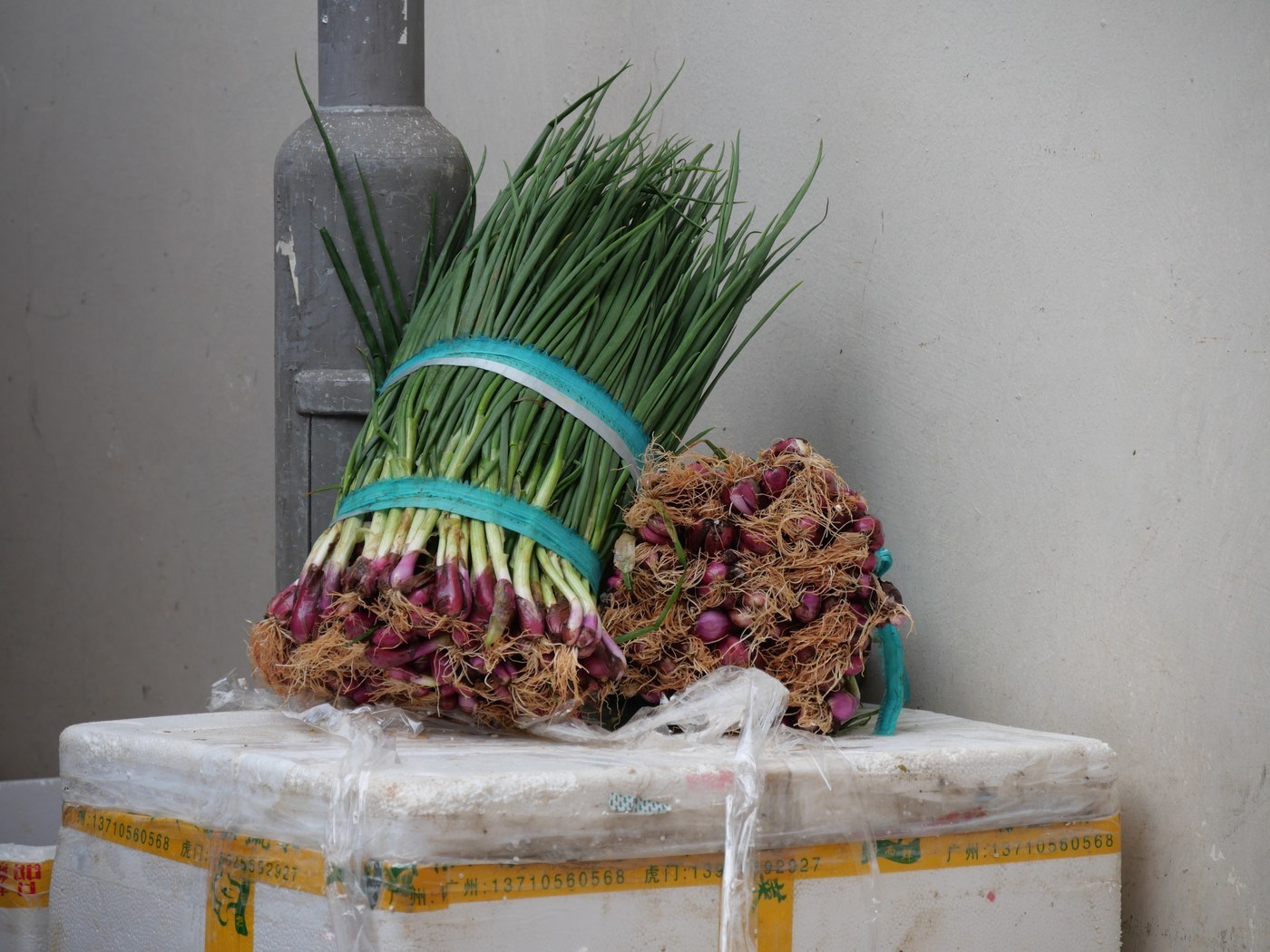
Green onion (Allium fistulosum), also called bunching onion or scallion, is a hardy perennial grown for its slender, upright, hollow green stalks. It forms neat clumps that multiply over time, and it is one of the most beginner-friendly alliums to grow in beds or containers.
Light
Green onions grow well in full sun to part shade. Full sun gives the sturdiest, most upright growth, while a few hours of shade is tolerated in hotter climates. Aim for at least 4-6 hours of light daily for compact, healthy stalks.
Water
Keep the soil evenly moist with regular watering, as green onions have shallow roots and dislike drying out. Water whenever the surface begins to dry, but avoid waterlogging. Consistent moisture keeps the stalks tender and prevents stress.
Soil & Potting
Use loose, fertile, well-drained soil rich in organic matter with a neutral pH. Green onions grow readily in containers at least 15 cm deep as long as there is good drainage. Loosen compacted soil so the shallow roots can spread easily.
Humidity & Temperature
A cool-season plant, green onion prefers temperatures around 13-24 C and is quite cold-hardy, often surviving frost and overwintering in mild climates. It slows in extreme summer heat. Average humidity suits it fine.
Feeding
Feed with a balanced fertilizer or one slightly higher in nitrogen every few weeks during active growth to support lush green stalks. Well-composted soil often supplies much of what the plant needs. Avoid overfeeding, which can produce weak, floppy growth.
Propagation
Green onions are very easy to propagate. Grow them from seed, or divide established clumps, since the plant multiplies by forming offsets at the base. Divided sections re-establish quickly in moist soil.
Repotting / Pruning
Divide crowded clumps every year or two to keep them vigorous, replanting the healthiest offsets. In containers, refresh the soil when dividing. Remove any yellowing outer leaves to keep the clump tidy and improve airflow.
Common Problems & Pests
Onion flies, thrips, and occasional fungal issues like downy mildew or rust can affect green onions, especially in crowded or overly damp conditions. Space plants for airflow and avoid waterlogged soil. Yellowing, mushy bases usually indicate rot from overwatering or poor drainage.
Seasonal Care Tips
Spring and autumn are the strongest growing seasons for this cool-weather plant. In summer heat, provide light shade and steady moisture. In mild climates the clumps overwinter and resume growth in spring; in colder areas mulch the base to help them survive the cold.
Frequently asked questions
Do green onions come back every year?
Yes, Allium fistulosum is a hardy perennial that forms multiplying clumps. In mild climates it overwinters and regrows each spring, and clumps can be divided to make more plants.
How do I keep my green onions from drying out?
They have shallow roots, so keep the soil evenly moist and water whenever the surface starts to dry. Mulching and rich soil help retain steady moisture.
Can I grow green onions in a container?
Absolutely. Use a pot at least 15 cm deep with good drainage and loose, fertile soil. Keep it consistently moist and in full sun to part shade.
How do I propagate green onions?
Grow them from seed or simply divide established clumps, since the plant forms offsets at the base. Replant the healthiest divisions in moist soil and they re-establish quickly.