
How to Care for Ground Ivy
Grow shade-loving ground ivy as a fast, fragrant groundcover with moist soil and light—just contain its vigorous spread.
Read the full Ground Ivy encyclopedia entry →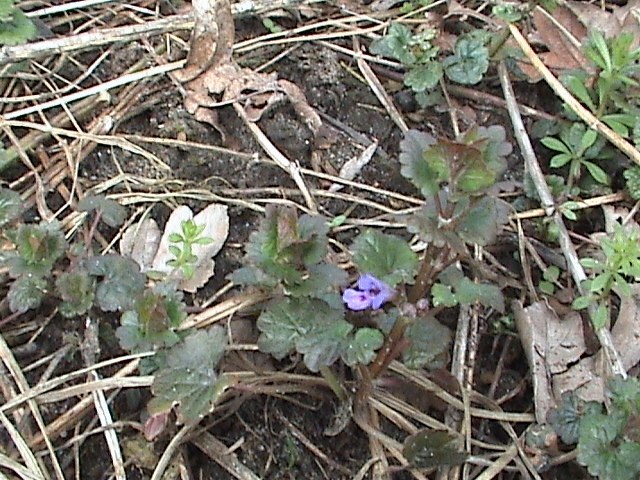
Ground ivy (Glechoma hederacea) is a low, creeping perennial in the mint family, grown as a fast-spreading groundcover for its scalloped, aromatic leaves and small blue-violet spring flowers. It is exceptionally easy to grow—so easy that its main challenge is keeping its vigorous spread in check. Variegated forms are popular in hanging baskets and shady beds.
Light
Ground ivy prefers part shade to full shade, which is where it grows most lushly. It tolerates some sun in cool climates or with steady moisture, but hot, dry sun scorches the foliage and stresses the plant. In deep shade it may flower less but still forms a dense green carpet. Variegated cultivars keep their best coloring in bright, indirect light or dappled shade.
Water
Keep the soil consistently moist. Ground ivy is a moisture lover that thrives in damp, even boggy ground and wilts quickly if allowed to dry out for long. Water regularly, especially in containers and baskets where it dries faster, and increase watering during warm, dry spells. It bounces back readily from occasional wilting once rehydrated.
Soil & Potting
This adaptable plant grows in almost any soil but favors moist, rich, well-drained ground with plenty of organic matter. It tolerates clay and a range of pH values. For containers and hanging baskets, use a moisture-retentive potting mix and water often. Its shallow, creeping stems root readily wherever they touch soil, so it establishes quickly.
Humidity & Temperature
Ground ivy is a hardy temperate perennial that shrugs off cold winters, dying back and returning reliably in spring. It appreciates cool, humid conditions and copes with a broad temperature range. Indoors or in baskets it does best out of hot, dry drafts. Average outdoor humidity suits it well, and it stays evergreen in mild climates.
Feeding
Ground ivy needs little feeding and grows vigorously on its own. In poor soil, a light application of balanced fertilizer or a topdressing of compost in spring supports lush foliage. Avoid heavy feeding, which only fuels its already aggressive growth. Container plants benefit from an occasional dilute liquid feed during the growing season since nutrients wash out with frequent watering.
Propagation
Ground ivy is extremely easy to propagate. Its trailing stems root at the nodes wherever they touch moist soil, so you can simply lift and separate rooted sections and replant them. Stem cuttings root quickly in water or moist mix, and established clumps can be divided in spring or fall. It also self-seeds readily.
Repotting / Pruning
In containers, refresh or repot annually or when the plant becomes crowded, as it fills a pot rapidly. Prune and trim freely—shearing back the stems keeps growth dense and prevents it from overrunning neighbors. In the garden, regular edging or clipping is essential to control its spread, since it roots as it creeps and can quickly colonize an area.
Common Problems & Pests
Ground ivy is famously tough and largely pest-free. Its biggest "problem" is invasiveness—it spreads aggressively by creeping stems and seed and can escape into lawns and beds, so site it thoughtfully or contain it. In poorly ventilated, very humid spots it may show powdery mildew or rust, and slugs can nibble tender growth. Good airflow and controlled moisture prevent most issues.
Seasonal Care Tips
In spring, enjoy the flush of new leaves and blue-violet flowers, and divide or replant as needed. Through summer, keep soil moist and shear back stems to maintain shape and limit spread. In fall, cut back and tidy the planting; in cold regions it dies back and overwinters underground, while in mild climates it stays evergreen. Watch its borders year-round to keep this enthusiastic spreader where you want it.
Frequently asked questions
How do I keep ground ivy from spreading too far?
Ground ivy roots wherever its creeping stems touch soil, so contain it with edging, root barriers, or a pot, and shear it back regularly. Remove stray rooted stems promptly before they establish, and consider growing it in hanging baskets where its spread is naturally limited.
Why is my ground ivy wilting?
It is most likely too dry. Ground ivy is a moisture lover that wilts quickly in dry soil or hot sun. Water it thoroughly, move container plants out of harsh afternoon sun, and it should recover fast. Keeping the soil consistently moist prevents repeated wilting.
Can ground ivy grow in deep shade?
Yes. Ground ivy is one of the better groundcovers for shade and forms a dense carpet even in fairly dark spots. It may flower less in deep shade, but the foliage stays lush. Variegated types keep their coloring best in bright, indirect light or dappled shade.
How do I propagate ground ivy?
It could hardly be easier. Lift rooted sections of the creeping stems and replant them, or take stem cuttings and root them in water or moist soil. You can also divide established clumps in spring or fall—it establishes almost immediately.