
How to Care for Heliotrope
Grow fragrant Heliotrope: clusters of deep purple blooms on compact plants, thriving in sun with steady moisture and warmth.
Read the full Heliotrope encyclopedia entry →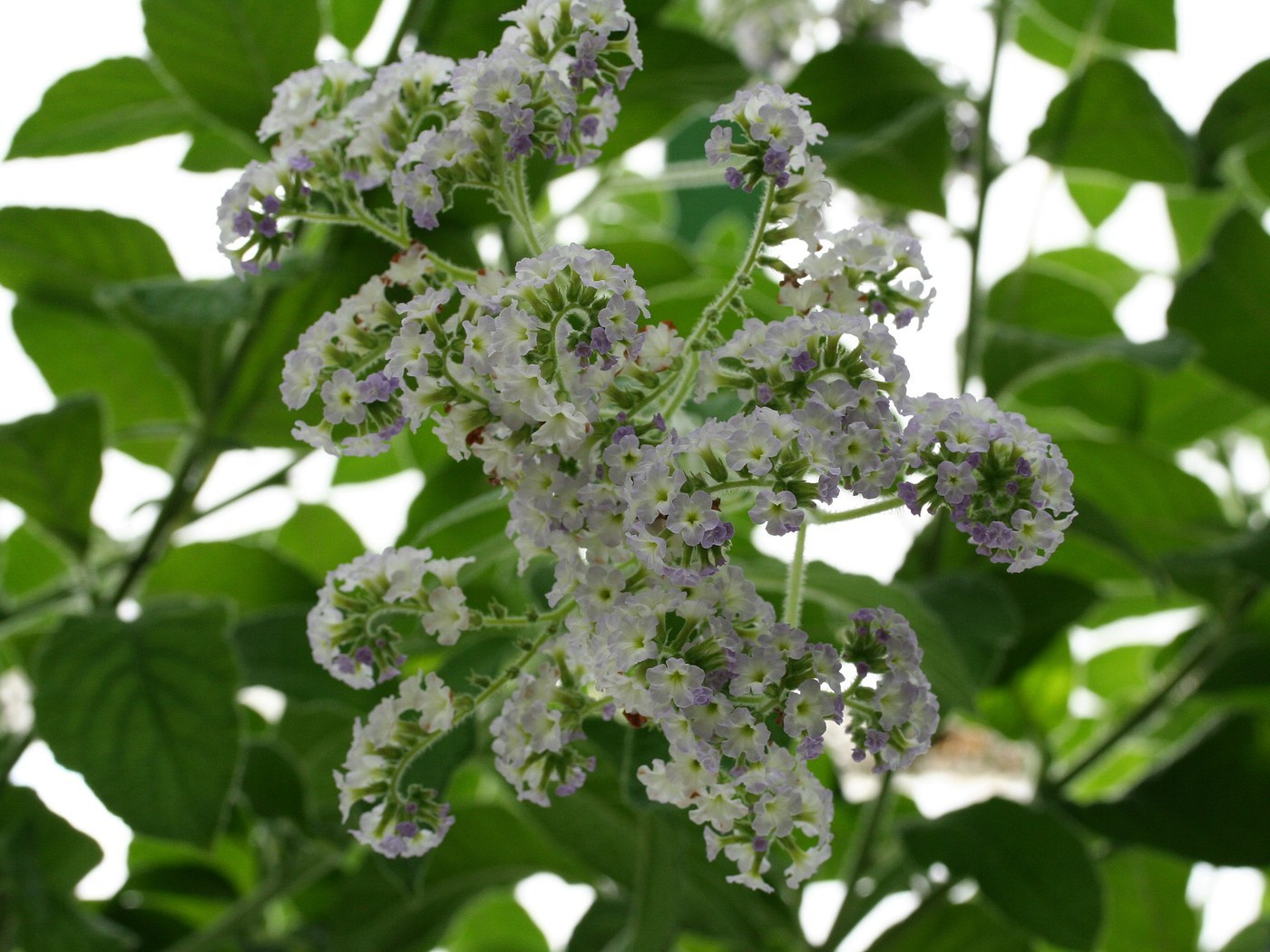
Heliotrope (Heliotropium arborescens) is a beloved flowering plant grown for its dense clusters of deep purple to violet blooms and richly perfumed, sweet fragrance. Compact and long-blooming, it is a favorite for containers, borders, and sunny spots where its scent can be enjoyed, though it takes moderate attention to keep it happy.
Light
Grow heliotrope in full sun to light afternoon shade. Ample sunlight produces the most compact growth, the deepest flower color, and the strongest fragrance. In very hot climates, a bit of afternoon shade protects the plant from heat stress and prevents wilting, while in milder areas full sun is ideal.
Water
Keep the soil evenly moist and do not let it dry out, as heliotrope wilts quickly when thirsty. At the same time, avoid waterlogged conditions that lead to root rot. Water thoroughly when the top of the soil starts to feel slightly dry, and check container plants often in warm weather, as they can dry out rapidly. Consistent moisture keeps flowering steady.
Soil & Potting
Plant in fertile, well-draining soil rich in organic matter with a neutral to slightly acidic pH. For containers, use a quality potting mix with good drainage and a pot with drainage holes. Heliotrope resents both drought and soggy soil, so a mix that holds moisture yet drains freely is ideal.
Humidity & Temperature
Heliotrope is a warm-loving, frost-tender plant that thrives in temperatures between 60-80 F (15-27 C). It is damaged by frost and should be planted out only after the danger of frost has passed. It appreciates moderate humidity and is often grown as an annual in cold climates, though it can be overwintered indoors in a bright, cool spot.
Feeding
Feed regularly during the growing season to support continuous flowering. Apply a balanced liquid fertilizer every two to four weeks, or use a slow-release feed at planting. Container plants especially benefit from regular feeding, as frequent watering depletes nutrients. Do not over-fertilize, which can reduce blooming.
Propagation
Propagate from softwood stem cuttings taken in spring or summer, which root readily in moist mix under warm, humid conditions. It can also be grown from seed started indoors 10-12 weeks before the last frost, though germination is slow and uneven. Cuttings are the fastest way to reproduce favorite forms.
Repotting / Pruning
Pinch back young plants to encourage bushy, compact growth and more flower clusters. Deadhead spent blooms regularly to prolong flowering and keep the plant tidy. If overwintering indoors, cut the plant back and repot as needed in spring. In containers, refresh the potting mix annually for the best performance.
Common Problems & Pests
Watch for aphids, whitefly, and spider mites, which are common on heliotrope, especially indoors or in dry, warm conditions. Treat infestations promptly with insecticidal soap. Overwatering causes yellowing leaves and root rot, while underwatering causes rapid wilting. Fungal issues can arise in poor airflow, so space plants and avoid wetting the foliage.
Seasonal Care Tips
Plant out after the last frost and pinch early for bushiness. Through summer, keep the soil evenly moist, feed regularly, and deadhead to sustain the fragrant display. In fall, before frost, take cuttings or bring container plants indoors to a bright, cool location to overwinter, reducing water and holding off feeding until growth resumes in spring.
Frequently asked questions
Why does my heliotrope keep wilting?
Heliotrope wilts quickly when the soil dries out, as it needs consistently even moisture. Water thoroughly whenever the top of the soil starts to feel slightly dry, and check container plants often in warm weather.
How do I keep heliotrope bushy and full?
Pinch back the growing tips of young plants to encourage branching, and deadhead spent flower clusters regularly. This produces a more compact plant with more blooms.
Can I overwinter heliotrope?
Yes. In cold climates, bring container plants indoors before frost to a bright, cool spot, cut them back, reduce watering, and hold off feeding until new growth resumes in spring. You can also take cuttings to carry the plant over.
Does heliotrope need full sun?
It grows best in full sun to light afternoon shade. Plenty of sun gives the most compact growth, deepest flower color, and strongest fragrance, though afternoon shade helps in very hot climates.