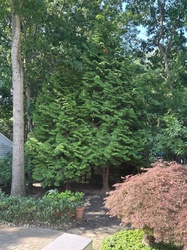
How to Care for Hinoki Cypress
Grow a graceful Hinoki cypress (Chamaecyparis obtusa) with the right light, moist well-drained soil, and steady seasonal care.
Read the full Hinoki Cypress encyclopedia entry →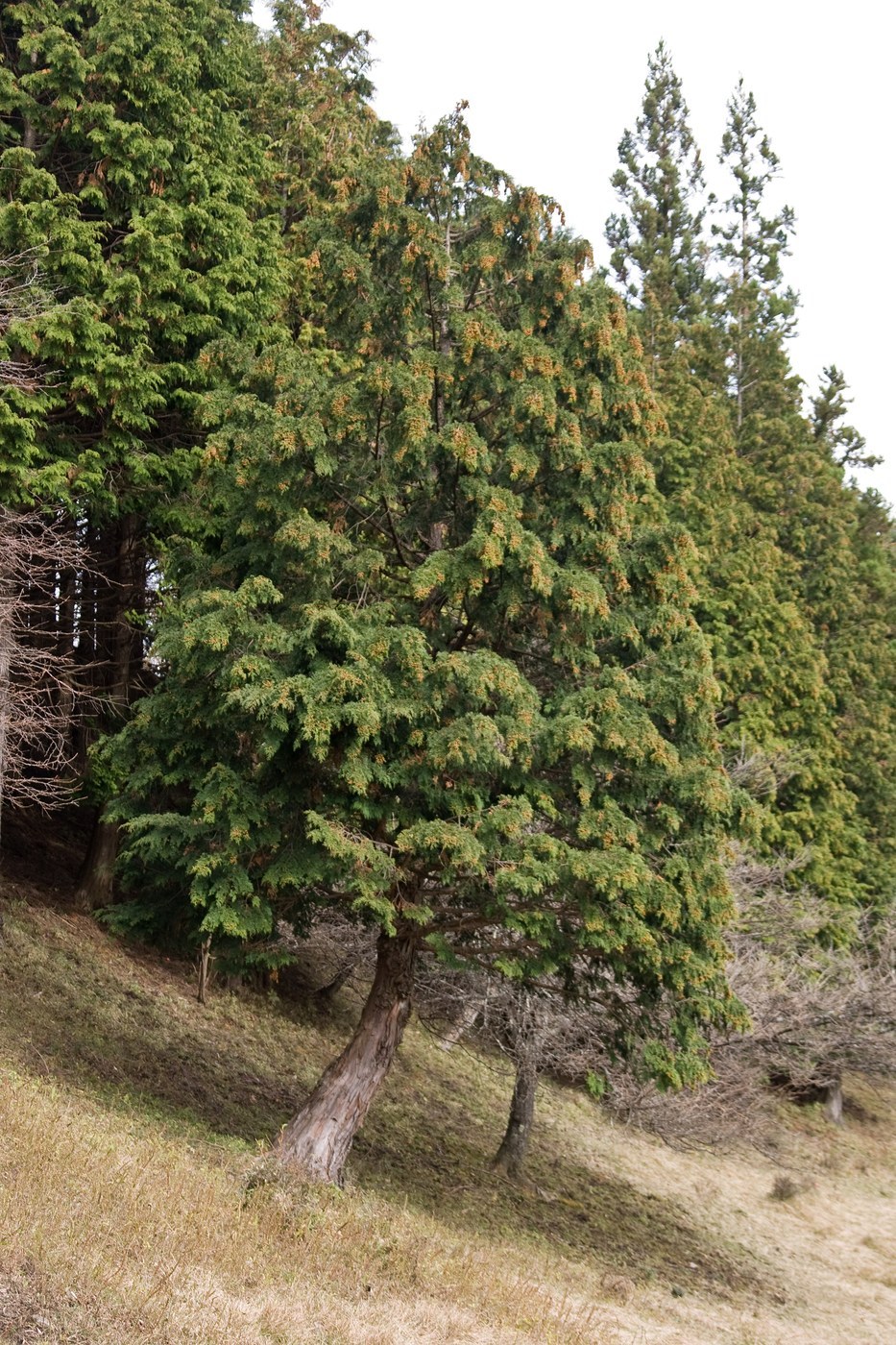
The Hinoki cypress (Chamaecyparis obtusa) is a slow-growing, elegant evergreen conifer prized for its layered sprays of glossy scale-like foliage and richly textured, cinnamon-brown bark. It is a favorite for specimen planting, foundation beds, rock gardens, and bonsai, and rewards patient, consistent care.
Light
Give Hinoki cypress full sun to part shade. In cooler climates full sun produces the densest, most compact growth and best color, while in hot-summer regions light afternoon shade prevents foliage scorch. Dwarf and golden cultivars hold their color best with strong morning light; deep shade thins the canopy and causes leggy, sparse branching.
Water
Provide moderate, even moisture and never let the root zone dry out completely, especially in the first two or three years while roots establish. Water deeply once or twice a week during dry spells so moisture reaches the full root depth, then allow the surface to dry slightly before watering again. Established plants tolerate short dry periods but resent both drought stress and standing water. A layer of mulch helps keep soil evenly moist.
Soil & Potting
Hinoki cypress thrives in fertile, well-drained soil that stays evenly moist, ideally slightly acidic to neutral. Heavy clay should be amended with compost and coarse grit to improve drainage, since soggy roots invite rot. For container or bonsai culture, use a free-draining mix such as akadama blended with pumice and a little organic matter, and make sure every pot has generous drainage holes.
Humidity & Temperature
This conifer prefers cool to temperate conditions with moderate humidity and appreciates protection from harsh, drying winds that can desiccate the foliage. It is hardy through cold winters once established, roughly USDA zones 4 through 8 depending on cultivar. In very dry, windy sites, a windbreak and consistent soil moisture help prevent winter browning.
Feeding
Feed lightly in early spring with a balanced slow-release fertilizer formulated for evergreens or conifers, or work compost into the surrounding soil. Avoid heavy nitrogen, which forces weak, floppy growth on this naturally slow grower. A single spring feeding is usually enough for garden plants; container specimens benefit from a second light feeding in early summer.
Propagation
Hinoki cypress is most reliably propagated from semi-hardwood cuttings taken in late summer or early autumn. Take four- to six-inch tip cuttings, strip the lower foliage, dip in rooting hormone, and insert into a moist, gritty rooting medium kept humid and warm. Rooting is slow and can take several months, so patience and steady moisture are essential. Cultivars are propagated only by cuttings or grafting to stay true to type.
Repotting / Pruning
Prune lightly in late spring or early summer to shape the plant and maintain density, pinching or trimming into green growth rather than cutting back into bare old wood, which rarely regenerates. Remove any dead or crossing branches to open the interior. Repot container and bonsai specimens every two to three years in early spring, refreshing the soil and trimming circling roots to keep the plant vigorous.
Common Problems & Pests
Watch for spider mites in hot, dry conditions, which cause stippling and interior browning; a strong hose spray and improved humidity help. Bagworms, scale, and juniper-type blights can occasionally appear. The most common issue is root rot from poorly drained or waterlogged soil, so prioritize good drainage. Interior browning of old foliage in autumn is normal shedding, not disease.
Seasonal Care Tips
In spring, feed lightly and begin shaping. Through summer, keep soil evenly moist and monitor for mites during heat. In autumn, ease off feeding and let the plant harden for winter. In cold-winter regions, mulch the root zone and shield young plants from drying winds and heavy snow load that can splay the branches.
Frequently asked questions
Why is my Hinoki cypress turning brown inside?
Some interior browning and shedding of the oldest foliage in autumn is normal. Widespread browning usually points to drought stress, drying winds, spider mites, or waterlogged roots, so check soil moisture and drainage first.
How fast does a Hinoki cypress grow?
It is a genuinely slow grower, often adding only a few inches per year, and dwarf cultivars even less. This makes it excellent for long-term specimen use and bonsai but a poor choice if you want a fast screen.
Can I grow Hinoki cypress in a container?
Yes. Use a free-draining mix, a pot with ample drainage holes, water consistently so it never fully dries, and repot every two to three years. Dwarf cultivars are especially well suited to containers and bonsai.
Can I cut it back hard to reduce its size?
Avoid cutting into bare old wood, which rarely resprouts. Instead prune lightly and regularly into green growth in late spring to maintain a compact, dense shape over time.
Hinoki Cypress identified by the community
Recent Hinoki Cypress specimens identified with Plant Identifier.