
How to Care for Hoya Kerrii
Grow the charming heart-leaf Hoya kerrii with bright indirect light, a chunky mix, and dry-between-waterings care.
Read the full Hoya Kerrii encyclopedia entry →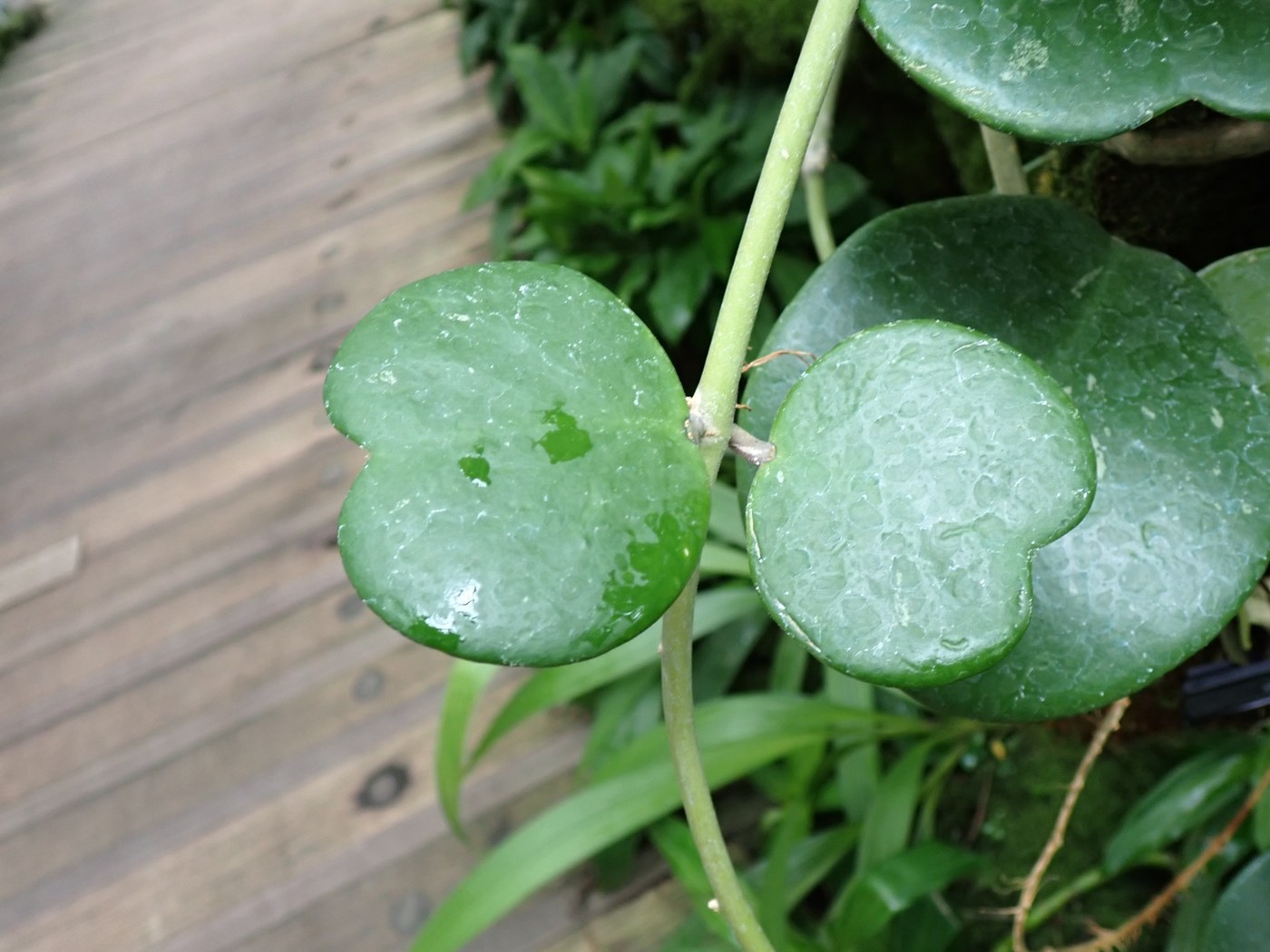
Hoya kerrii, the Sweetheart Hoya, is a slow-growing, semi-succulent trailing vine famous for its thick, heart-shaped leaves, often sold as a single rooted leaf. It is an easy, forgiving plant that thrives on bright light and infrequent watering, and with patience it will vine and eventually produce clusters of waxy, star-shaped flowers.
Light
Give it bright, indirect light for compact growth and the best chance of blooming. A spot near an east window, or a few feet back from a south or west window, is ideal. It tolerates some gentle direct morning sun, but harsh midday rays can bleach or burn the fleshy leaves. Too little light leaves it leggy and reluctant to flower.
Water
Water only when the soil is dry, then soak thoroughly and let it drain fully. As a semi-succulent, Hoya kerrii stores water in its thick leaves and is far more tolerant of drought than of soggy roots. Overwatering is the quickest way to kill it, so always let the mix dry out before watering again and cut back sharply in winter.
Soil & Potting
Use a loose, fast-draining mix such as a cactus or succulent blend amended with orchid bark and perlite for extra aeration. Hoyas like to be a bit root-bound, so choose a snug pot with good drainage holes. The chunky medium lets water pass quickly and keeps air around the roots, preventing the rot that dense soil encourages.
Humidity & Temperature
Hoya kerrii adapts to average household humidity but appreciates moderate levels around 40 to 60 percent. Keep it warm, between about 65 and 80 F, and protect it from cold drafts and temperatures below roughly 50 F. Warmth and stable conditions encourage steady growth and eventual flowering on established plants.
Feeding
Feed lightly during the growing season, spring through summer, with a diluted balanced fertilizer every four to six weeks. A bloom-supporting formula higher in phosphorus can encourage the flower clusters once the plant is mature and vining. Do not overfeed, and pause fertilizing in fall and winter when growth naturally slows.
Propagation
Propagate from stem cuttings that include at least one node and a leaf or two; a leaf alone, like the common single-leaf gift plant, roots but rarely grows into a full vine because it lacks a node. Root cuttings in a chunky mix or water, keeping them warm and bright. Rooting is slow, so patience is essential.
Repotting / Pruning
Repot only every few years, as this plant likes tight quarters and resents disturbance. Move up just one pot size in spring and refresh the mix. Prune sparingly to shape or manage length, but leave the flower spurs, called peduncles, intact, since Hoyas rebloom from the same spurs year after year and removing them costs future flowers.
Common Problems & Pests
Yellowing, mushy leaves and rot almost always mean overwatering or poor drainage; let the soil dry and check the roots. Wrinkled, soft leaves can signal underwatering or root damage. Failure to bloom usually points to too little light or an immature plant. Watch for mealybugs, scale, and spider mites, wiping leaves and treating with insecticidal soap as needed.
Seasonal Care Tips
In spring and summer, water a bit more attentively as the soil dries, resume feeding, and expect the main flush of growth and possible blooms. In fall and winter, water much less, stop fertilizing, and keep the plant warm and away from cold windows. Consistent bright light year-round keeps a single leaf or young vine slowly progressing toward a full, flowering plant.
Frequently asked questions
Will a single Hoya kerrii leaf grow into a full plant?
Usually not. A single leaf without a stem node can root and survive for years but lacks the node needed to sprout new vines, so it rarely grows beyond the leaf. For a full plant, start with a cutting that includes a node.
How often should I water Hoya kerrii?
Only when the soil has dried out completely, then water thoroughly and let it drain. As a semi-succulent it tolerates drought far better than wet roots, so water sparingly, especially in winter.
Why won't my Hoya kerrii bloom?
Most often it needs brighter indirect light or is still too young. Mature, well-lit plants bloom from spurs called peduncles, so never cut those off, as the plant reflowers from them each year.
What soil is best for Hoya kerrii?
A loose, fast-draining mix such as a cactus or succulent blend with added orchid bark and perlite. It likes a snug pot with good drainage and air around the roots to prevent rot.