
How to Care for Hyacinth
Grow Hyacinthus orientalis for dense, fragrant spring flower spikes. An easy bulb for beds, containers, and indoor forcing.
Read the full Hyacinth encyclopedia entry →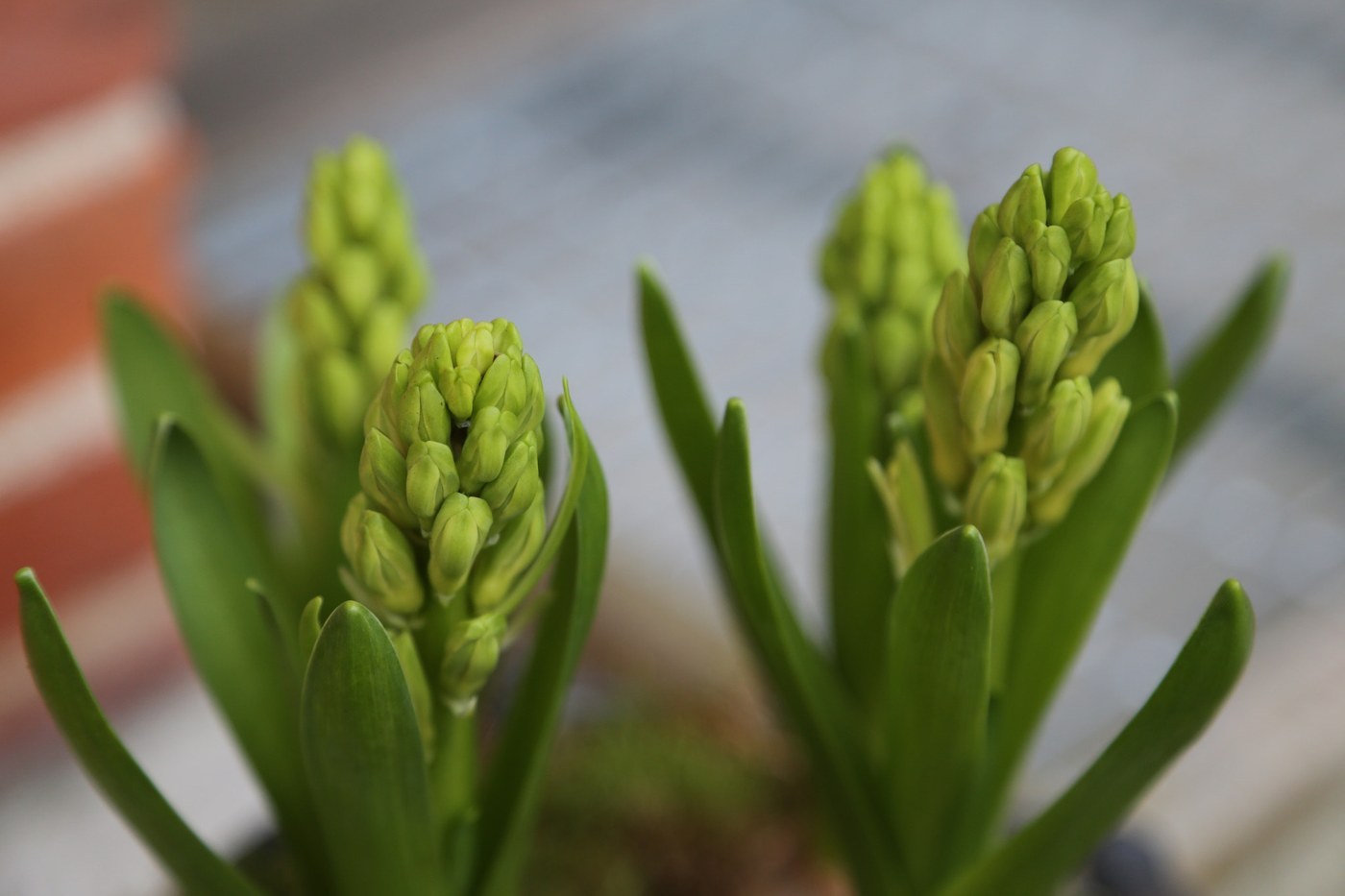
Hyacinth (Hyacinthus orientalis) is a spring-flowering bulb famous for its densely packed, intensely fragrant flower spikes in shades of blue, purple, pink, white, and yellow. It is an easy, rewarding bulb for garden beds, containers, and indoor forcing.
Light
Grow hyacinths in full sun to partial shade. In the garden they flower best with at least half a day of direct sun, which also keeps the sturdy spikes upright. In warmer climates a little afternoon shade helps prolong the blooms. Forced indoor bulbs should be moved to bright, indirect light once shoots emerge and greened up.
Water
Keep the soil moderately moist during the active growth and flowering period in late winter and spring. Water when the top inch of soil feels dry, and avoid waterlogging, which rots the bulbs. After flowering, as the foliage yellows and the bulb enters dormancy, reduce watering and let the soil stay dry through summer.
Soil & Potting
Plant in loose, well-drained soil enriched with a little compost. Sharp drainage is essential, as bulbs sitting in wet soil are prone to rot. Set bulbs about 4 to 6 inches deep and 3 inches apart, pointed end up, in autumn. For containers, use a free-draining potting mix and ensure drainage holes; bulbs can be planted closer together for a fuller display.
Humidity & Temperature
Hyacinths require a cold winter dormancy to bloom well, ideally several weeks below about 45 F, making them suited to roughly USDA zones 4 through 8. In mild-winter regions, pre-chill bulbs in the refrigerator for 10 to 14 weeks before planting. Ambient humidity is not a concern. Cool spring temperatures keep the flowers fresh longer.
Feeding
Work a little bulb fertilizer or bone-free balanced bulb food into the soil at planting time. A light feeding as shoots emerge in spring supports flowering and helps the bulb rebuild reserves for next year. Avoid excess nitrogen, which encourages leaves at the expense of flowers.
Propagation
Hyacinths multiply slowly by producing small offset bulbs around the parent. Lift clumps once foliage has died back, separate the offsets, and replant them; small offsets may take a couple of years to reach flowering size. Commercial growers also use techniques like scooping or scoring the basal plate to induce bulblets, though this is advanced and slow. Seed propagation is possible but very slow and rarely done by home gardeners.
Repotting / Pruning
Container bulbs can be lifted and refreshed each year after the foliage dies down. Deadhead spent flower spikes to prevent seed formation and direct energy back to the bulb, but leave the foliage intact until it yellows naturally so the bulb can recharge. Forced indoor bulbs are often exhausted after blooming but can sometimes be planted out in the garden to recover over a season or two.
Common Problems & Pests
The main threat is bulb rot from poor drainage or overwatering. Gray mold (botrytis) can affect flowers in cool, damp conditions. Pests are relatively few but may include aphids on emerging growth, bulb mites, and narcissus bulb fly larvae; rodents occasionally dig up newly planted bulbs. Floppy spikes usually indicate too little light or overly rich soil. Plant sound, firm bulbs and ensure excellent drainage to avoid most problems.
Seasonal Care Tips
Autumn: plant bulbs, or begin pre-chilling in warm regions. Winter: chilling drives root and shoot development; forced bulbs can be brought into warmth for indoor bloom. Spring: enjoy the fragrant flowers, feed lightly, and deadhead spent spikes. Late spring to summer: let foliage die back naturally, then keep the dormant bulbs dry until fall.
Frequently asked questions
Do hyacinths need a cold period to bloom?
Yes. They need several weeks of cold below about 45 F to flower well. In mild climates, pre-chill bulbs in the refrigerator for 10 to 14 weeks before planting.
Why did my hyacinth flowers flop over?
Floppy spikes usually mean too little light or overly rich, nitrogen-heavy soil. Grow in full sun to partial shade and avoid over-fertilizing.
Can I reuse forced indoor hyacinth bulbs?
Forced bulbs are often exhausted after blooming, but you can plant them out in the garden where they may recover and flower again after a season or two.
When should I cut back hyacinth foliage?
Wait until the leaves yellow and die back naturally. The foliage recharges the bulb for next year's bloom, so never remove it while still green.