
How to Care for Jack-in-the-Pulpit
Grow Jack-in-the-Pulpit (Arisaema triphyllum), a woodland perennial prized for its hooded spathe and lush trifoliate leaves in shady, moist gardens.
Read the full Jack-in-the-Pulpit encyclopedia entry →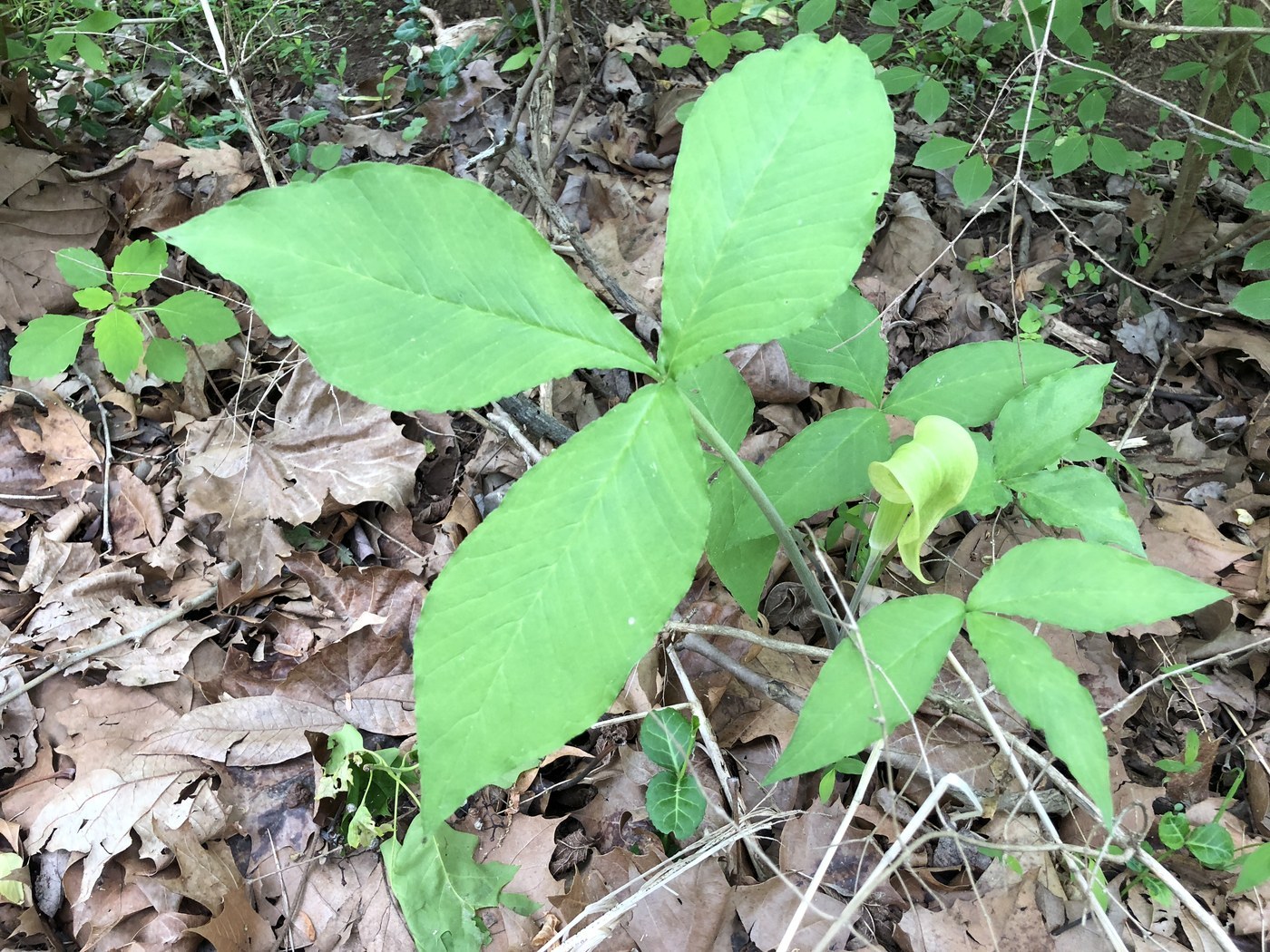
Jack-in-the-Pulpit (Arisaema triphyllum) is a slow, elegant woodland perennial grown for its curious hooded flower structure, the "jack" (spadix) sheltered beneath an arching striped "pulpit" (spathe), followed by glossy trifoliate leaves. It thrives in the dappled shade and rich, moist soils that mimic its native forest floor, and rewards patience with decades of reliable spring emergence.
Light
This is a shade-loving woodlander. Give it part shade to full shade, ideally the filtered light beneath deciduous trees or on the north side of a structure. Morning sun with afternoon shade is acceptable in cooler climates, but hot, direct midday sun will scorch the leaves and force early dormancy. Deep dappled shade produces the lushest foliage.
Water
Keep the soil consistently moist. Jack-in-the-Pulpit resents drying out during its active growth from spring through midsummer, so water regularly during dry spells and mulch to conserve moisture. It naturally goes dormant by late summer, at which point its water needs drop sharply. Avoid standing water in winter, which can rot the underground corm.
Soil & Potting
Provide a humus-rich, loose, moisture-retentive soil high in organic matter, replicating a forest floor thick with leaf litter. A slightly acidic to neutral pH suits it best. Amend heavy or sandy soils with generous compost and shredded leaf mold. If growing in a container, use a deep pot to accommodate the corm and a rich, free-draining organic mix, and never let it bake dry.
Humidity & Temperature
Ambient humidity of a shaded, sheltered garden is ideal; it dislikes hot, dry, windy exposures. It is cold-hardy and actually requires a winter chill to break dormancy and bloom. Cool spring temperatures suit emergence, and a thick layer of leaf mulch protects the corm through freezing winters.
Feeding
Feeding needs are modest. An annual topdressing of compost or leaf mold in early spring supplies plenty of nutrients and mimics the natural accumulation of forest litter. If growth seems weak, a light application of balanced slow-release fertilizer as leaves emerge is sufficient. Avoid heavy chemical feeding, which this understory plant does not appreciate.
Propagation
Propagate by division of offset cormlets in late summer to autumn once the plant is dormant, replanting the small corms a couple of inches deep in enriched soil. It can also be grown from seed: clean the pulp from the ripe seeds, then sow and give them a period of cold, moist stratification over winter. Seed-grown plants take several years to reach flowering size, so patience is essential.
Repotting / Pruning
Little pruning is needed beyond removing tattered foliage after it yellows and naturally dies back in summer. Let the leaves fully wither so the corm can recharge. Container specimens can be lifted and repotted or divided every few years in dormancy; set the corm at the correct depth in fresh, rich medium.
Common Problems & Pests
Jack-in-the-Pulpit is largely trouble-free. The most common issue is premature dieback from soil that dries out or sun that is too strong. Corm rot can occur in waterlogged winter soils, so ensure drainage. Slugs and snails may nibble emerging shoots; fungal leaf spots can appear in stagnant, humid conditions but rarely cause serious harm. Good air circulation and appropriate moisture prevent most problems.
Seasonal Care Tips
In spring, remove winter mulch as shoots emerge and keep soil evenly moist. Through early summer, maintain moisture during dry periods. As the plant enters its natural dormancy in mid to late summer, reduce watering and allow the foliage to yellow and die back. In autumn, divide if needed and apply a fresh layer of leaf mulch to insulate the corm through winter.
Frequently asked questions
Why did my Jack-in-the-Pulpit disappear in summer?
This is completely normal. Jack-in-the-Pulpit is a spring ephemeral-style woodlander that naturally goes dormant by mid to late summer, dying back to its underground corm and re-emerging the following spring. Mark its location so you don't disturb it.
How much light does Jack-in-the-Pulpit need?
It prefers part shade to full shade, especially the dappled light beneath deciduous trees. Avoid hot afternoon sun, which scorches the foliage and forces the plant into early dormancy.
Why won't my plant flower?
Seed-grown plants can take several years to reach flowering size, and immature or small corms often produce only leaves. Give it rich, consistently moist soil, an annual compost topdressing, and time to build up a mature corm.
Can I grow Jack-in-the-Pulpit in a container?
Yes. Use a deep pot with a rich, moisture-retentive organic mix, keep it in shade, and never let it dry out during active growth. Protect the container from hard freezes and repot or divide the corm every few years during dormancy.