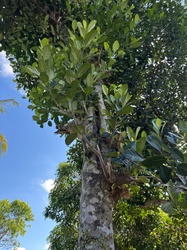
How to Care for Jackfruit Tree
Grow the tropical Artocarpus heterophyllus as a bold, glossy-leaved evergreen shade tree in full sun with steady moisture and warmth.
Read the full Jackfruit Tree encyclopedia entry →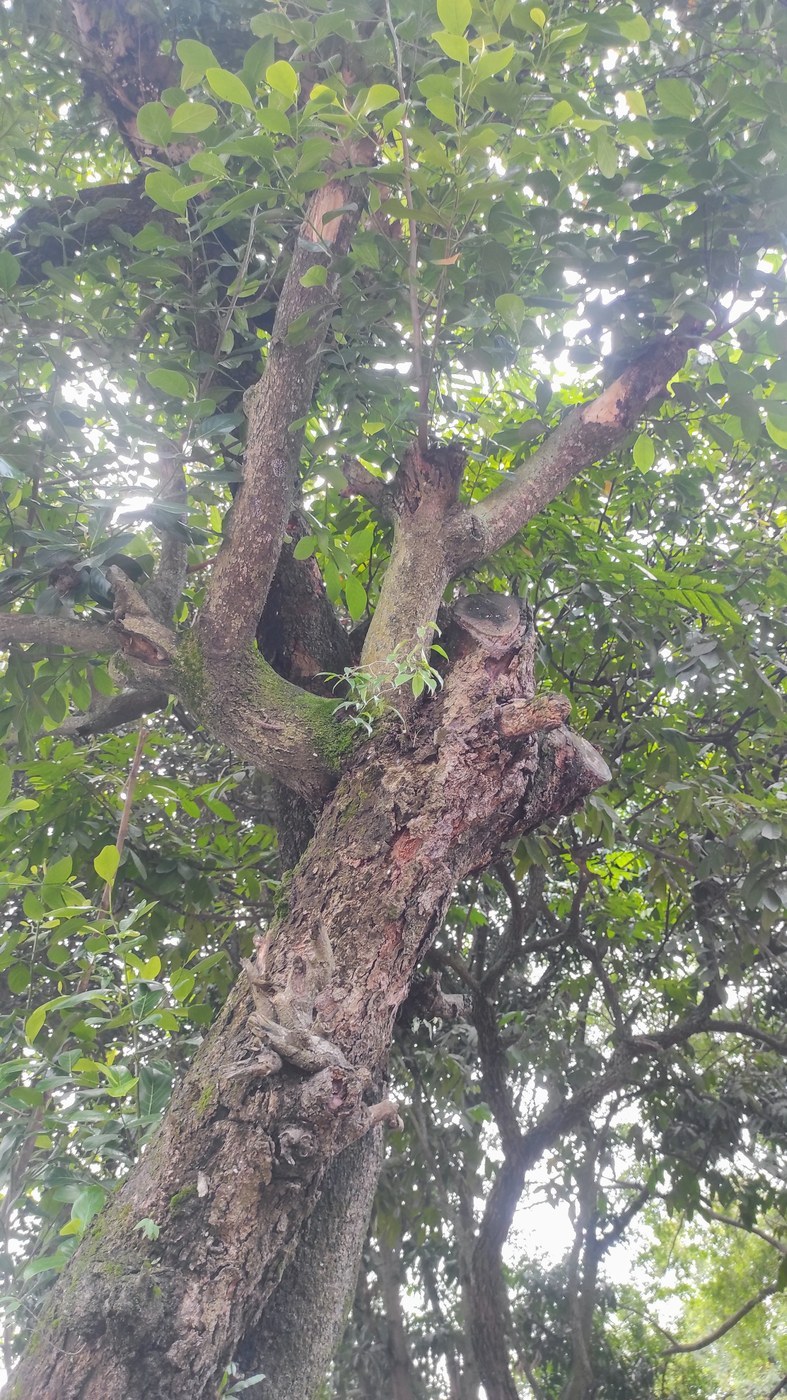
The Jackfruit Tree (Artocarpus heterophyllus) is a large, fast-growing tropical evergreen with a dense canopy of glossy, leathery leaves and milky sap. Grown ornamentally for its handsome form and striking bark, it is a moderate-difficulty tree that demands warmth, sun, and consistent moisture. In cool climates it can be kept as a container specimen and moved indoors for winter.
Light
Jackfruit thrives in full sun and needs at least six to eight hours of direct light daily for strong, compact growth and a well-branched canopy. In marginal or indoor situations, place it in the brightest possible spot, such as a south-facing window or a heated greenhouse, and supplement with grow lights if the tree begins to stretch or drop lower leaves.
Water
Keep the soil consistently moist but never waterlogged; this tree likes regular, deep watering, especially while young and during warm, active growth. Water when the top inch or two of soil begins to dry, then soak thoroughly. Container trees dry faster and may need watering several times a week in summer. Reduce frequency in cool weather, allowing slightly more drying between waterings.
Soil & Potting
Plant in deep, rich, well-draining soil with plenty of organic matter. Jackfruit dislikes standing water and heavy clay that stays wet, which can rot its roots. For containers, use a loamy potting mix amended with compost and coarse material such as bark or perlite for drainage, in a large, sturdy pot with ample holes.
Humidity & Temperature
As a true tropical, jackfruit prefers warm, humid conditions and temperatures between roughly 70 and 95 F (21 to 35 C). It is highly frost-sensitive and can be damaged or killed by temperatures near or below freezing. In dry or cool climates, maintain humidity around potted specimens and protect them from cold snaps by bringing them into a warm, bright interior.
Feeding
Feed regularly during the growing season with a balanced fertilizer, shifting to one higher in potassium as the tree matures. Young trees benefit from light, frequent applications of a nitrogen-rich formula to build the canopy. Organic mulches and compost around the root zone supply steady nutrition. Ease off feeding in the cool, low-light months.
Propagation
Jackfruit is most commonly propagated from fresh seed, which loses viability quickly and should be sown promptly in warm, moist soil where it germinates within a few weeks. Named selections are propagated by grafting or budding onto seedling rootstock to preserve their traits. Air layering is also possible for producing larger, quicker-establishing plants.
Repotting / Pruning
Repot container trees every one to two years while young, moving up a pot size as roots fill the container, ideally in spring. Prune to control size and shape, remove crossing or dead branches, and open the canopy for light and air; the tree bleeds sticky latex when cut, so use clean tools and prune in dry weather. Topping keeps container specimens manageable.
Common Problems & Pests
Yellowing leaves often signal overwatering or poor drainage, while leaf drop can follow cold exposure or drought stress. Watch for mealybugs, scale, spider mites, and aphids, particularly on indoor or greenhouse trees; treat with horticultural oil or insecticidal soap. Fungal leaf spots and root rot appear in soggy, poorly ventilated conditions, so prioritize drainage and airflow.
Seasonal Care Tips
In spring and summer, water and feed generously to fuel vigorous growth and repot if needed. In fall, taper feeding and prepare potted trees for winter. Through cool months, keep the tree warm and bright, water more sparingly, and shield it from any frost. Refresh mulch each year to conserve moisture and moderate soil temperature.
Frequently asked questions
Can I grow a jackfruit tree in a pot?
Yes. In cool climates keep it in a large container with rich, well-draining mix, give it maximum sun, and move it indoors before frost.
How much water does a jackfruit tree need?
Keep the soil consistently moist, watering deeply when the top inch or two dries. Young and potted trees may need watering several times a week in summer.
Why are my jackfruit leaves turning yellow?
Yellowing usually points to overwatering or poor drainage. Ensure the pot drains freely and let the top of the soil dry slightly before watering again.
How cold can a jackfruit tree tolerate?
It is very frost-sensitive and suffers below about 40 F, with freezing temperatures often fatal. Keep it warm, ideally 70 to 95 F.
Jackfruit Tree identified by the community
Recent Jackfruit Tree specimens identified with Plant Identifier.