
How to Care for Jalapeno
Grow productive jalapeno pepper plants with full sun, warm temperatures, steady watering, and a long, hot growing season.
Read the full Jalapeno encyclopedia entry →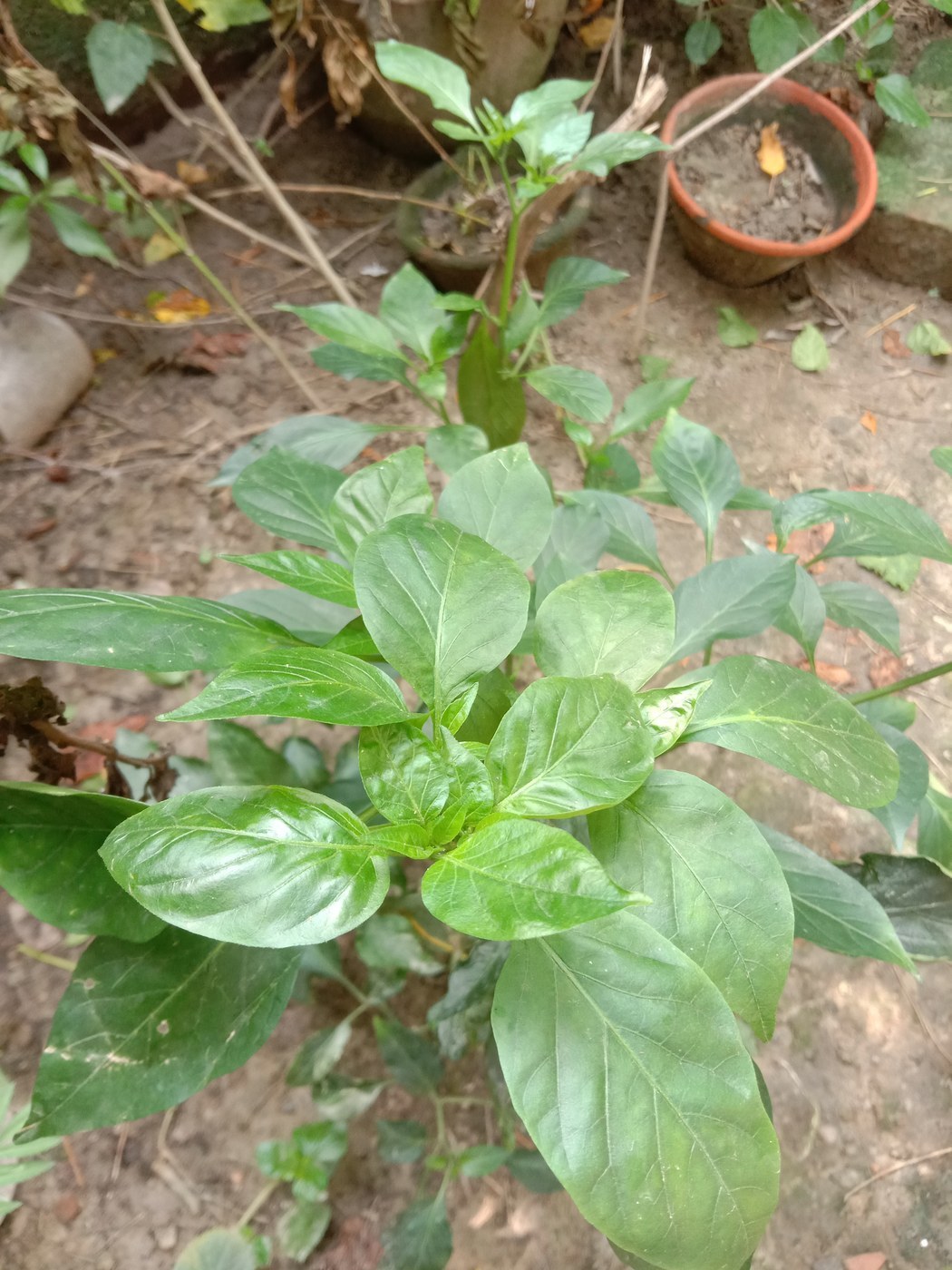
The jalapeno (Capsicum annuum) is a compact, bushy pepper plant grown as a warm-season annual. With plenty of sun and heat it forms a sturdy, glossy-leaved plant that sets clusters of upright flowers followed by attractive green-to-red fruits, making it as ornamental as it is popular for gardeners.
Light
Jalapenos need full sun, at least 6-8 hours of direct light daily, to grow sturdy and set fruit well. Indoors, place them at your brightest south-facing window or supplement with a grow light. Insufficient light produces leggy, weak plants with poor flowering.
Water
Water moderately, letting the surface dry slightly between waterings, then water deeply. Aim for evenly moist but never waterlogged soil; peppers dislike both drought stress and soggy roots. Consistent moisture during flowering and fruiting reduces blossom drop and bud loss. Mulch outdoor plants to steady soil moisture.
Soil & Potting
Use fertile, well-draining soil rich in organic matter with a slightly acidic to neutral pH. In containers, a quality potting mix in a pot of at least 15-20 cm depth works well, and drainage holes are essential. Good drainage prevents root rot.
Humidity & Temperature
Jalapenos are heat-lovers, thriving at 21-32 C. Growth stalls below about 15 C, and they are frost-tender, so wait until well after the last frost to move plants outdoors. Moderate humidity is fine; very high humidity can encourage fungal issues.
Feeding
Feed with a balanced fertilizer early on, then switch to a formula higher in phosphorus and potassium once flowering begins to support fruit set. Avoid excess nitrogen, which produces lush leaves at the expense of peppers. Feed every 2-3 weeks during the growing season.
Propagation
Jalapenos are grown from seed. Start seeds indoors 8-10 weeks before the last frost in warm soil (around 24-29 C) for good germination. Transplant seedlings outdoors once nights stay reliably warm. They can also be grown from cuttings, though seed is standard.
Repotting / Pruning
Pot up seedlings as they grow, moving to their final container once well established. Pinching early growth encourages a bushier plant, and staking taller, fruit-laden plants prevents branches from snapping. Remove damaged or crowded stems to improve airflow.
Common Problems & Pests
Blossom drop from temperature extremes or erratic watering is common; keep conditions steady. Watch for aphids, spider mites, and whiteflies, and treat with insecticidal soap. Overwatering and poor drainage cause wilting and root rot, so let the surface dry between waterings.
Seasonal Care Tips
Start seeds indoors in late winter, harden off seedlings in spring, and grow on through the warm summer months when the plant is most productive. In autumn, before frost, you can dig up and overwinter a plant in a bright, warm indoor spot, though growth will slow considerably until conditions warm again.
Frequently asked questions
Why are the flowers falling off my jalapeno plant?
Blossom drop is usually caused by temperature extremes, inconsistent watering, or excess nitrogen. Keep watering steady, provide warm but not scorching conditions, and avoid over-fertilizing with nitrogen.
How much sun does a jalapeno plant need?
At least 6-8 hours of direct sun daily. Full sun produces a sturdy, productive plant, while too little light makes it leggy and reduces flowering.
When should I start jalapeno seeds?
Start them indoors 8-10 weeks before your last expected frost, in warm soil around 24-29 C. Transplant outdoors only once nights stay reliably above about 15 C.
Why is my jalapeno plant leggy and weak?
This is almost always too little light. Move it to full sun or under a grow light, and pinch early growth to encourage a bushier, sturdier shape.