How to Care for Janet Craig Dracaena
Grow a lush Janet Craig Dracaena with easy care: forgiving light, sparing watering, and low-maintenance upright greenery.
Read the full Janet Craig Dracaena encyclopedia entry →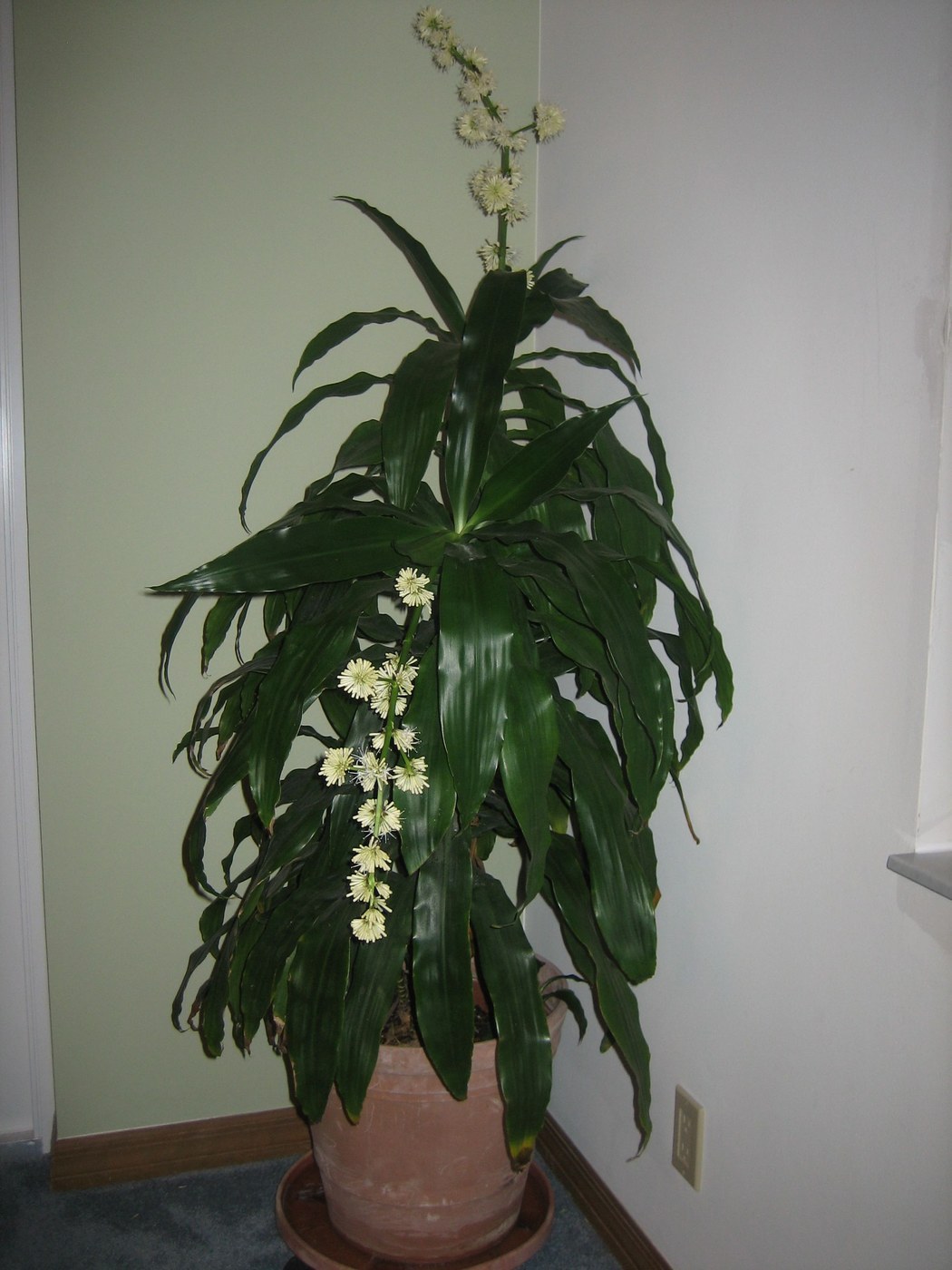
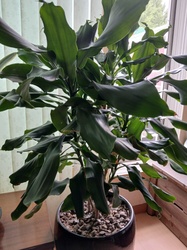
The Janet Craig Dracaena (Dracaena fragrans 'Janet Craig') is a classic, easy-going foliage plant prized for its glossy, deep green strap-like leaves and upright, architectural habit. It tolerates a wide range of indoor conditions, making it one of the most forgiving houseplants you can grow.
Light
Janet Craig thrives across a broad spectrum, from low light to bright indirect light. It will hold its rich green color even in dim corners, but growth is fuller and faster in medium to bright indirect light. Keep it out of harsh direct sun, which can scorch and bleach the foliage. If leaves become pale or leggy, move it somewhat closer to a window.
Water
Water sparingly. Allow the top inch or two of soil to dry out between waterings, then water thoroughly until it drains from the bottom. This dracaena is far more tolerant of slight underwatering than of soggy roots, so err on the dry side. In low light it uses very little water and may only need watering every couple of weeks.
Soil & Potting
Use a well-draining, peat-based potting mix. Adding perlite, bark, or coarse sand improves aeration and prevents compaction. Always plant in a container with drainage holes so excess water can escape and roots never sit in standing water.
Humidity & Temperature
Average household humidity suits it well, though it appreciates a bit more moisture in very dry rooms. Keep temperatures between roughly 65 and 80 F. Protect the plant from cold drafts, heating vents, and temperatures below about 55 F, which can cause leaf damage.
Feeding
Feed lightly with a balanced, diluted liquid houseplant fertilizer once a month during spring and summer. This dracaena is a slow, steady grower and does not need heavy feeding. Stop fertilizing in fall and winter when growth naturally slows.
Propagation
Propagate from stem or tip cuttings. Cut a section of cane or a leafy top, let the cut end callus briefly, then root it in water or moist potting mix. Canes can also be laid horizontally to sprout new shoots. Rooting is easiest in the warmth of spring and summer.
Repotting / Pruning
Repot every two to three years or when roots fill the pot, moving up one container size in spring. Janet Craig is happy to be somewhat snug. To control height, cut the main cane at your desired level; new shoots will sprout just below the cut. Remove any yellowing lower leaves as they age.
Common Problems & Pests
Brown leaf tips often signal dry air, inconsistent watering, or fluoride and salt buildup from tap water; using filtered or distilled water can help. Yellowing leaves and mushy stems point to overwatering. Watch for spider mites, mealybugs, and scale, treating early with insecticidal soap or by wiping leaves clean.
Seasonal Care Tips
Growth is most active in spring and summer, so this is the time to feed, prune, and repot. In fall and winter, reduce watering and pause fertilizing as the plant rests. Keep it away from cold windowsills during winter months.
Frequently asked questions
How often should I water a Janet Craig Dracaena?
Let the top inch or two of soil dry out, then water thoroughly. In low light this may only be every two to three weeks. It tolerates dryness far better than soggy soil.
Can Janet Craig Dracaena grow in low light?
Yes. It is one of the best low-light foliage plants and keeps its deep green color in dim spots, though growth is fuller in medium to bright indirect light.
Why are the leaf tips turning brown?
Brown tips usually come from dry air, uneven watering, or mineral and fluoride buildup from tap water. Try steadier watering and filtered or distilled water.
How do I make my dracaena bushier?
Cut the main cane at the height you want. New shoots will emerge just below the cut, creating a fuller, multi-headed plant over time.
Janet Craig Dracaena identified by the community
Recent Janet Craig Dracaena specimens identified with Plant Identifier.