
How to Care for Japanese Aucuba
Japanese Aucuba (Aucuba japonica) is an easy evergreen shade shrub with bold, often gold-speckled leaves for shady, moist, well-drained spots.
Read the full Japanese Aucuba encyclopedia entry →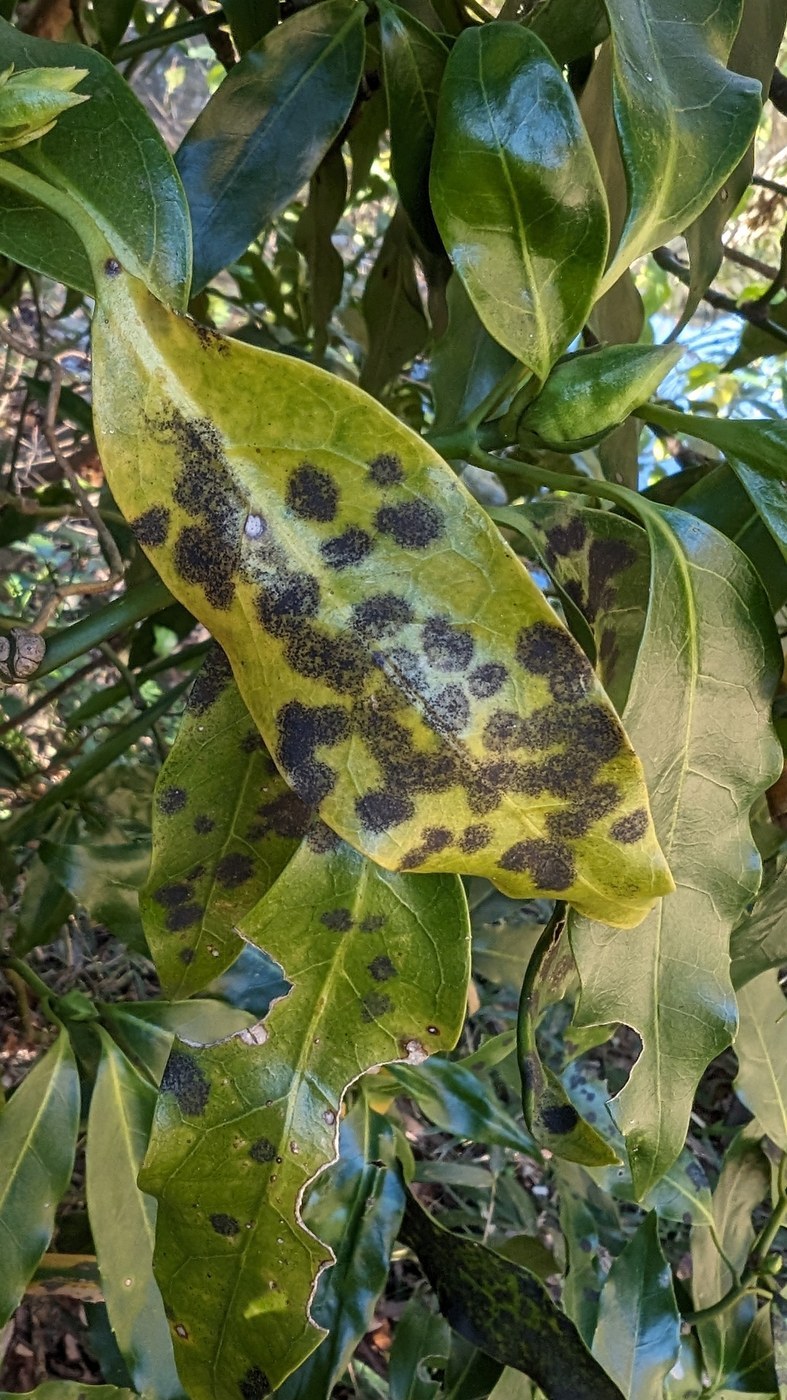
Japanese Aucuba (Aucuba japonica) is a robust evergreen shrub grown for its large, glossy, leathery leaves, often boldly speckled or splashed with gold in variegated forms. It is one of the best broadleaf evergreens for deep shade and difficult, low-light corners of the garden.
Light
Aucuba is a true shade lover, thriving in shade to part shade beneath trees or on the north side of buildings. It tolerates deep shade better than most shrubs. Protect it from strong direct sun, especially hot afternoon sun, which scorches and bleaches the leaves; variegated types need bright, filtered light to keep their gold markings but still burn in full sun.
Water
Keep the soil lightly and evenly moist, especially while the shrub is establishing. It appreciates moderate, consistent moisture but must have good drainage; it does not tolerate waterlogged soil. Once established, it withstands short dry spells and even dry shade reasonably well, but even watering during drought keeps the foliage lush.
Soil & Potting
Grow Aucuba in fertile, humus-rich, well-drained soil. It adapts to a range of soil types, including clay, as long as water does not pool. Amend planting holes with compost to improve moisture retention and structure. It also grows well in large containers of a good-quality, free-draining potting mix, making it useful for shady patios.
Humidity & Temperature
This shrub is hardy in roughly USDA zones 6-10 and tolerates a range of conditions, including coastal and urban settings. It handles average to high humidity well. Foliage can be damaged by hard freezes and cold, drying winds, so in colder areas site it in a sheltered spot out of harsh winter wind. It is otherwise low-maintenance and forgiving.
Feeding
Feed lightly in spring with a balanced slow-release shrub fertilizer or a topdressing of compost. Aucuba is not a heavy feeder, and modest feeding supports healthy leaf color and steady growth. Avoid overfeeding, which can push soft growth prone to damage.
Propagation
Aucuba propagates easily from semi-hardwood stem cuttings taken in late summer or fall; root them in moist, well-drained mix in a shaded, humid spot. Note that plants are separate male and female; only pollinated female plants produce the decorative berries, so a nearby male is needed for fruit. Cuttings preserve the exact leaf pattern of the parent.
Repotting / Pruning
Repot container specimens every couple of years in spring as they outgrow their pots. Aucuba tolerates pruning well and can be trimmed in early spring to shape the shrub, control size, or remove any winter-damaged or leggy stems. Cutting back hard rejuvenates old, sparse plants, which resprout readily from older wood.
Common Problems & Pests
Aucuba is generally tough and pest-resistant. The most common issue is leaf scorch, showing as blackened or bleached patches from too much sun or cold, drying wind. Overly wet soil can cause root rot. Occasional pests include scale, mealybugs, and spider mites; treat with horticultural oil or insecticidal soap. Fungal leaf spots may appear in overly wet, crowded conditions, so ensure decent air movement.
Seasonal Care Tips
Plant in spring or fall into shaded, well-drained soil. Water through the first year to establish, and mulch to conserve moisture and moderate soil temperature. Prune and feed lightly in early spring. In cold-winter areas, shelter it from drying wind and avoid late feeding that would leave tender growth exposed to frost.
Frequently asked questions
Why are the leaves of my Aucuba turning black or scorched?
Blackened or bleached leaf patches usually come from too much direct sun, especially hot afternoon sun, or from cold, drying winter winds. Move or shelter the plant into shadier, more protected conditions to prevent further scorch.
Why won't my Japanese Aucuba produce berries?
Aucuba plants are either male or female, and only pollinated female plants set the decorative berries. You need a female plant with a male nearby to provide pollen for fruiting.
Can Aucuba grow in deep shade?
Yes, it is one of the best broadleaf evergreens for deep, dry shade and difficult shady corners. Variegated forms keep their gold markings best in bright, filtered shade rather than the darkest spots.
How and when should I prune Japanese Aucuba?
Prune in early spring to shape the shrub, control its size, or remove winter-damaged stems. It tolerates hard pruning well and resprouts readily from older wood, so you can rejuvenate leggy, overgrown plants.