
How to Care for Japanese Larch
Grow Japanese Larch for feathery spring green and glowing autumn gold: full sun, moist well-drained soil, and cool temperate conditions.
Read the full Japanese Larch encyclopedia entry →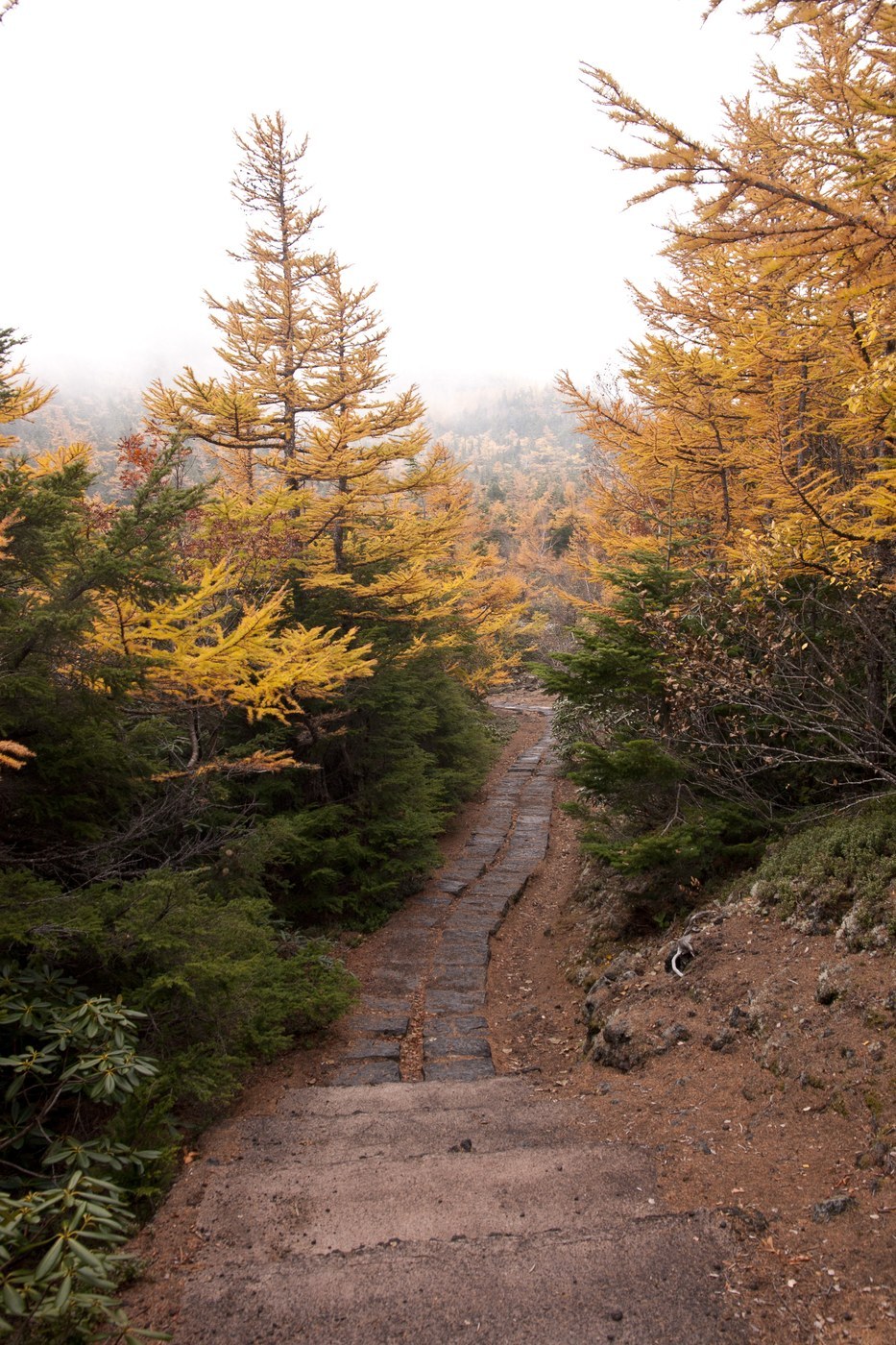
The Japanese Larch (Larix kaempferi) is a vigorous deciduous conifer with soft blue-green needles in whorled tufts, reddish young shoots, and outstanding golden-yellow autumn color before the needles fall. Fast-growing and hardy, it makes a striking specimen and is also a classic subject for bonsai.
Light
Japanese Larch demands full sun. It is intolerant of shade and grows thin, weak, and prone to dieback in low light. An open position with all-day sun produces the densest foliage, strongest form, and the most brilliant fall color.
Water
Keep the soil moist but well-drained. Larch likes steady moisture during the growing season and resents both prolonged drought and stagnant waterlogging. Water young trees regularly until established; mature trees are moderately drought-tolerant but perform best where moisture is reliable. Bonsai specimens, with limited soil, need especially careful, frequent watering.
Soil & Potting
Grow in deep, moist, well-drained, acidic to neutral soil. It dislikes shallow chalk and heavy, permanently wet clay. A loamy soil enriched with organic matter suits it well. Good drainage is key to avoiding root problems, so improve heavy ground with grit and organic matter before planting.
Humidity & Temperature
This is a cool-climate tree, very cold-hardy (roughly USDA zones 4-7) and happiest in regions with cold winters and mild summers. It struggles in hot, humid, or arid climates. Late spring frosts can occasionally scorch the tender emerging needles, so a site sheltered from severe frost pockets helps.
Feeding
In open ground, larch rarely needs feeding beyond an annual spring mulch of organic matter. Young trees benefit from a light balanced fertilizer in spring to support rapid growth. Bonsai specimens are fed regularly through the growing season with a balanced feed, easing off as autumn color develops.
Propagation
Japanese Larch is most commonly grown from seed sown after cold stratification; seedlings establish quickly. Cuttings are more difficult to root than many conifers, so seed is the usual method. For bonsai, nursery seedlings or collected young trees are typically used and trained.
Repotting / Pruning
Landscape larch needs little pruning beyond removing dead or damaged wood in late winter; it forms a naturally pyramidal shape. For bonsai, repot every 1-2 years in early spring as buds swell, trimming roots and refreshing free-draining soil, and pinch or prune new shoots to build ramification. Avoid heavy pruning during active growth.
Common Problems & Pests
Japanese Larch can be affected by larch canker, needle cast fungi, adelgids, and in some regions Phytophthora root and shoot dieback. Good airflow, full sun, and well-drained soil greatly reduce disease. Watch for browning needles out of season, which can signal canker or drought stress. Avoid warm, humid, stagnant sites where fungal problems thrive.
Seasonal Care Tips
In spring, enjoy the fresh green flush, feed and mulch, and protect emerging needles if hard late frosts threaten. Through summer, keep soil moist and watch for adelgids. Autumn brings the signature golden color before needle drop, a good time to plant bare-root trees. In winter, the bare branching structure is attractive; do structural pruning and, for bonsai, plan spring repotting.
Frequently asked questions
Does Japanese Larch lose its needles?
Yes. It is a deciduous conifer: needles turn golden-yellow in autumn and drop, with fresh blue-green growth returning each spring.
Can Japanese Larch grow in shade?
No. It needs full sun and grows thin and weak in shade, so give it an open, all-day sunny position.
Is Japanese Larch good for bonsai?
Yes, it is a classic bonsai subject valued for fine ramification, soft spring foliage, and vivid autumn color, needing careful watering and spring repotting.
What climate suits Japanese Larch?
Cool temperate climates with cold winters and mild summers. It is very cold-hardy but dislikes hot, humid, or arid conditions.
Why are the needles browning in summer?
Off-season browning often points to drought stress or a canker or needle-cast disease. Ensure steady moisture, full sun, and good airflow.