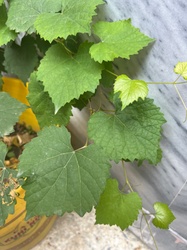
How to Care for Kangaroo Vine
Kangaroo Vine is an easygoing Australian climber with glossy leaves that adapts well to indoor life and light shade.
Read the full Kangaroo Vine encyclopedia entry →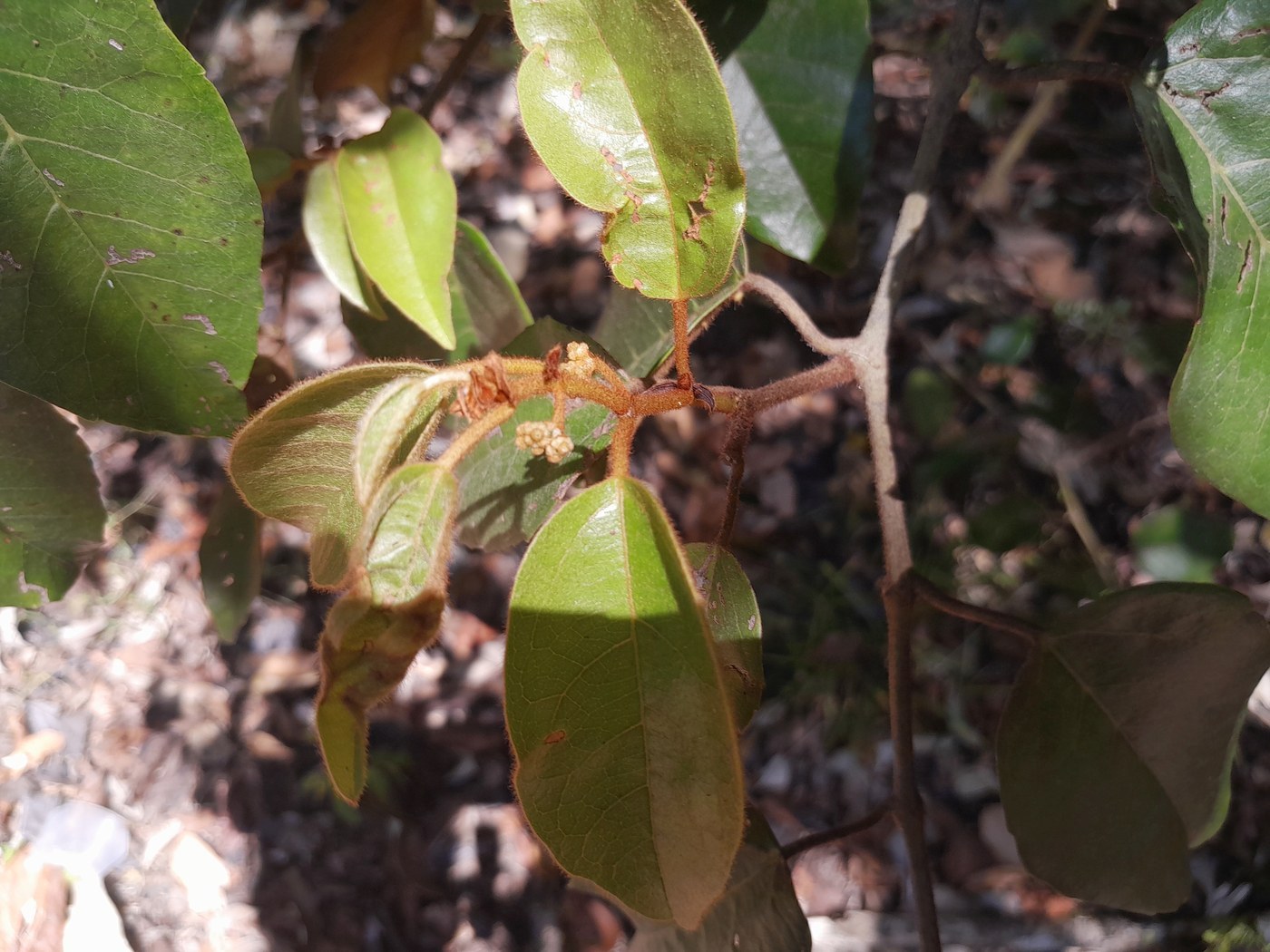
Cissus antarctica, the Kangaroo Vine, is a vigorous, glossy-leaved climbing houseplant native to Australian rainforests. Adaptable and forgiving, it is an excellent choice for beginners who want a lush, trailing or climbing green plant.
Light
Kangaroo Vine grows best in bright indirect light but tolerates lower light better than many houseplants. Place it near a window with filtered sun or a few feet back from a bright window. Avoid intense direct sunlight, which can scorch and bleach the leaves. In dim corners growth slows and stems become sparse, so aim for a well-lit spot for the fullest foliage.
Water
Water when the top inch of soil dries out. This vine likes consistent, moderate moisture but not soggy roots. Water thoroughly until it drains from the bottom, then let the surface dry before the next watering. It is fairly forgiving of occasional lapses but dislikes both prolonged drought and standing water. Cut back watering in winter as growth slows.
Soil & Potting
Use a well-draining, general-purpose potting mix enriched with organic matter. Adding perlite or bark improves aeration and drainage. Always use a pot with drainage holes. A slightly acidic to neutral pH suits it well. Provide a trellis, moss pole, or hanging basket to support its natural climbing and trailing tendrils.
Humidity & Temperature
Coming from rainforest margins, Kangaroo Vine appreciates moderate to high humidity but adapts to average household levels. It prefers temperatures between 60 and 75 F (15 to 24 C) and dislikes cold drafts and sudden temperature swings. Keep it away from heating vents and cold windows in winter. Occasional misting or a pebble tray helps in very dry rooms.
Feeding
Feed monthly with a balanced liquid houseplant fertilizer during the spring and summer growing season. This supports its vigorous climbing habit and keeps foliage glossy and green. Reduce or stop feeding in fall and winter when growth naturally slows. Avoid over-fertilizing, which can lead to weak, leggy growth.
Propagation
Kangaroo Vine propagates easily from stem cuttings. Take a cutting with a few leaves and at least one node, then root it in water or directly in moist potting mix. Keep it warm and humid, and roots should develop within a few weeks. This makes it simple to create new plants or fill out an existing pot.
Repotting / Pruning
Repot every one to two years in spring when roots fill the container, moving up one pot size. Prune anytime to control size, encourage bushier growth, and remove leggy or damaged stems. Pinching the growing tips promotes branching. Guide the tendrils onto a support to shape the plant as it climbs.
Common Problems & Pests
Watch for mealybugs, spider mites, and scale, particularly in dry indoor conditions; wipe leaves and treat with insecticidal soap if needed. Brown, crispy leaf edges usually indicate low humidity or underwatering, while yellowing leaves and mushy stems point to overwatering. Leaf drop can follow cold drafts or sudden environmental changes.
Seasonal Care Tips
In spring and summer, water regularly, feed monthly, and enjoy active growth as the vine climbs. In fall, reduce feeding and watering as the plant slows. Through winter, keep it warm, away from cold drafts, water sparingly, and boost humidity to counter dry indoor heat.
Frequently asked questions
Why are the edges of my Kangaroo Vine leaves turning brown?
Crispy brown edges usually mean the air is too dry or the plant is underwatered. Increase humidity with a pebble tray or misting and check that you are watering once the top inch of soil dries out.
Does Kangaroo Vine need a trellis?
It is a natural climber, so a trellis, moss pole, or support lets it show off its habit. You can also grow it in a hanging basket and let the stems trail attractively.
How do I propagate Kangaroo Vine?
Take a stem cutting with a few leaves and at least one node, then root it in water or moist potting mix in a warm, humid spot. Roots typically form within a few weeks.
Can Kangaroo Vine tolerate low light?
Yes, it handles lower light better than many houseplants, but growth will be fuller and healthier in bright indirect light. Avoid harsh direct sun, which scorches the leaves.
Kangaroo Vine identified by the community
Recent Kangaroo Vine specimens identified with Plant Identifier.