
How to Care for Kimberly Queen Fern
Grow the tidy, upright Kimberly Queen Fern: bright indirect light, evenly moist soil, and warm humid air for full sword-shaped fronds.
Read the full Kimberly Queen Fern encyclopedia entry →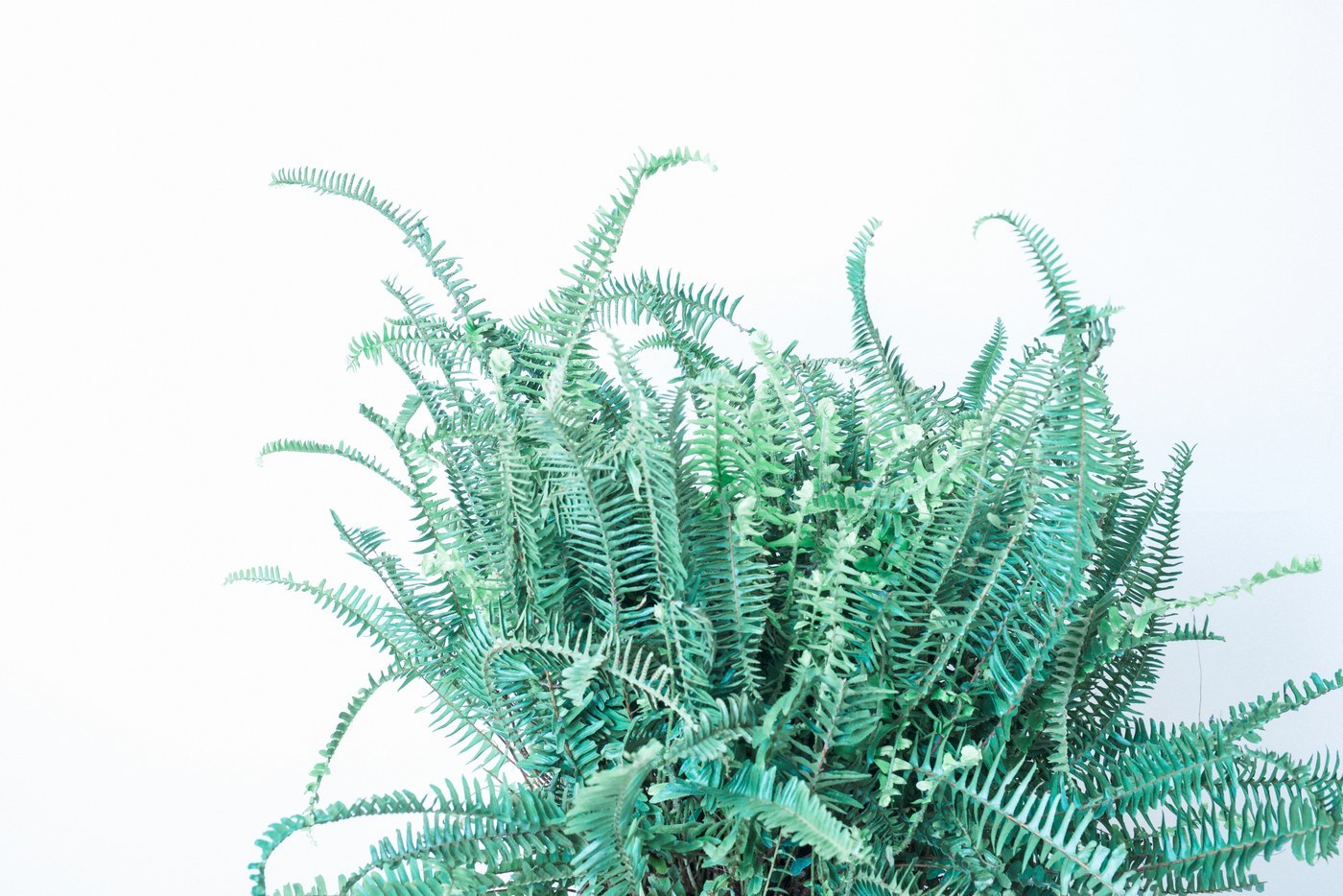
The Kimberly Queen Fern (Nephrolepis obliterata) is a robust, upright sword fern with neat, arching fronds that make it a tidier, more manageable alternative to the Boston fern. It thrives as a lush houseplant, patio container, or hanging specimen and is easy to grow with steady moisture and warmth.
Light
Provide bright indirect light for the fullest, most vigorous fronds. It tolerates some morning sun and, once acclimated outdoors, brighter conditions than many ferns, but harsh midday sun scorches the foliage. Too little light produces sparse, floppy growth. A bright spot out of direct beams, or dappled shade outdoors, is ideal.
Water
Keep the soil evenly moist at all times; this fern dislikes drying out and will brown quickly if it does. Water thoroughly whenever the surface begins to dry, allowing excess to drain freely, and never let the pot sit in standing water. Vigorous specimens, especially outdoors in summer, may need watering frequently, sometimes daily in heat.
Soil & Potting
Grow in a rich, moisture-retentive but well-draining potting mix, such as a peat- or coir-based houseplant mix with added perlite. Good drainage prevents soggy roots while the organic content holds the steady moisture the fern needs. Always use a container with drainage holes.
Humidity & Temperature
Kimberly Queen enjoys warmth and moderate to high humidity, ideally around 65-80 F (18-27 C). It is somewhat more tolerant of average household humidity than the Boston fern but still appreciates a pebble tray, misting, or a humidifier in dry rooms. Protect it from cold drafts, frost, and hot dry air from vents. Bring container plants indoors before frost.
Feeding
Feed during the growing season, roughly every two to four weeks in spring and summer, with a balanced liquid houseplant fertilizer at half strength. Fast-growing outdoor plants in summer are heavier feeders. Reduce or stop feeding in autumn and winter when growth slows.
Propagation
Propagate by division: at repotting time, remove the plant and split the root ball into sections, each with healthy roots and fronds, then pot them up separately and keep them warm and moist while they establish. Kimberly Queen produces few of the runners that Boston ferns spread by, so division is the main home method.
Repotting / Pruning
Repot in spring when roots fill the pot, moving up a size into fresh moisture-retentive mix; this is also the ideal time to divide. Pruning is simple: trim away old, browned, or ragged fronds at the base to keep the plant looking fresh and to make room for new growth. Regular grooming maintains its tidy, upright shape.
Common Problems & Pests
Browning, crispy fronds usually mean the soil dried out or humidity is too low, while widespread yellowing can indicate overwatering or poor drainage. Faded, scorched fronds point to too much direct sun. Watch for scale, mealybugs, and spider mites, the last favored by dry air. Consistent moisture, humidity, and indirect light keep this fern lush and problem-free.
Seasonal Care Tips
In spring and summer, water frequently to keep the soil evenly moist, feed regularly, and repot or divide as new fronds flush; move container plants outdoors to bright, sheltered shade after frost. In autumn, bring plants back inside before cold nights, cut back on feeding, and trim tired fronds. In winter, keep it warm, water a little less, and raise humidity against dry indoor heat.
Frequently asked questions
How is Kimberly Queen different from a Boston fern?
It has stiffer, more upright sword-shaped fronds and a tidier habit, sheds less, and tolerates a bit more sun and drier air, making it easier to keep.
Why are the fronds turning brown?
Most often the soil dried out or the air is too dry. Keep the soil evenly moist and raise humidity; trim off the browned fronds at the base.
Can Kimberly Queen Fern grow in full sun?
It takes more light than many ferns and some morning sun, but harsh midday sun scorches it. Bright indirect light or dappled shade is best.
How do I propagate it?
By division at repotting time: split the root ball into sections with roots and fronds, pot them separately, and keep them warm and moist to establish.
Can I grow it outdoors?
Yes, in warm weather in a sheltered, brightly shaded spot as a patio or hanging plant. Bring it indoors before frost, as it is not cold-hardy.