
Kimberly Queen Fern Identification Guide
How to identify the Kimberly Queen Fern (Nephrolepis obliterata), an upright, tidy sword fern often confused with the Boston fern.
Read the full Kimberly Queen Fern encyclopedia entry →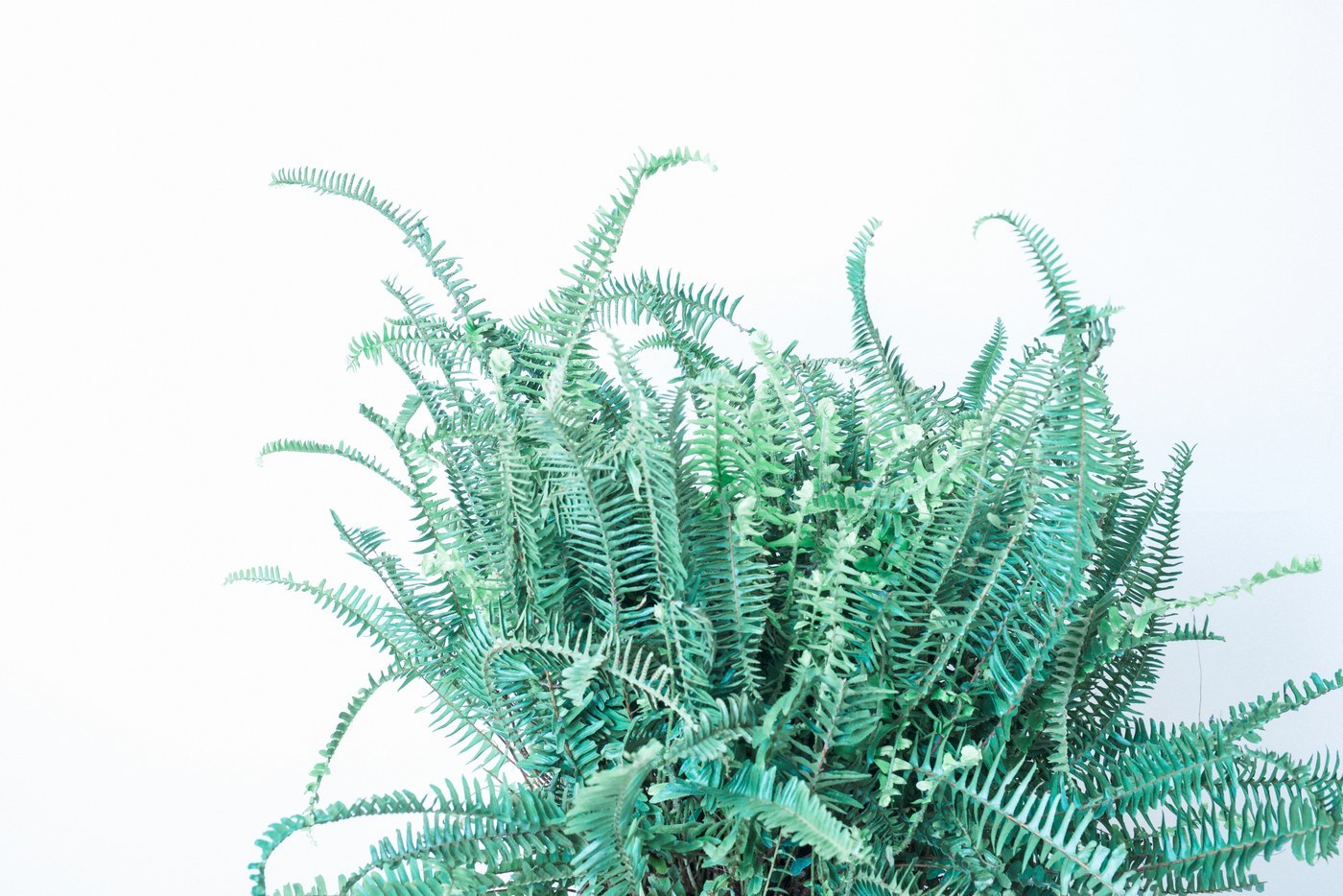
Key Identifying Features
The Kimberly Queen Fern (Nephrolepis obliterata) is an Australian sword fern grown for its stiff, upright, vase-shaped form. Unlike the arching, frilly Boston fern, its fronds stand more erect and tidy, making it a favorite for patios and porches.
- Upright, vase-shaped clump of long sword-like fronds
- Fronds narrow and once-divided (pinnate)
- Glossy, deep green leaflets with smooth, even edges
- Far less frond drop and mess than Boston fern
Leaves & Stems
Fronds reach 2-3 feet long and grow stiffly upward and outward rather than cascading. Each frond is once-pinnate, meaning a single central stem (rachis) lined with many leaflets (pinnae). The leaflets are narrow, lance-shaped, and lie fairly flat, with smooth to slightly wavy margins, giving a neat, combed appearance.
The leaflets are a rich, slightly glossy green, more leathery than the soft Boston fern. The frond stalks (stipes) are sturdy and upright. There are no runners producing fuzzy 'feet' at the soil surface in the showy way the rabbit's-foot ferns have.
Flowers & Fruit
As a fern, it produces no flowers or seeds. Reproduction is by spores held in small round sori on the undersides of the leaflets, arranged in rows near the leaflet margins. The sori are typically covered by a kidney-shaped protective flap (indusium).
How to Tell It Apart from Look-Alikes
- Boston fern (Nephrolepis exaltata 'Bostoniensis'): Has softer, arching, often frilly fronds that droop and shed; Kimberly Queen stands stiffly upright with neater, flatter leaflets and far less litter.
- Macho fern (N. biserrata): Larger and coarser with wider fronds; Kimberly Queen is more refined and vase-shaped.
- Sword fern (N. cordifolia): Produces underground tubers and runners; Kimberly Queen forms a tighter, less spreading clump.
Where You'll Find It
It is sold worldwide as a container and hanging-basket fern, especially popular as a porch and patio plant because it tolerates more sun and humidity swings than Boston fern. Indoors it wants bright indirect light and steady moisture. Native to Australia and Southeast Asia.
Quick ID Checklist
- Stiff, upright vase shape, not arching
- Long sword-like, once-pinnate fronds
- Narrow, flat, glossy leaflets with smooth edges
- Round sori in rows on leaflet undersides
- Tidy growth with minimal frond drop
If you see a neat, upright clump of sword-shaped fronds that does not droop or shed like a Boston fern, you are likely looking at a Kimberly Queen Fern.
Frequently asked questions
How is Kimberly Queen different from a Boston fern?
Kimberly Queen grows stiffly upright in a vase shape with flatter, neater leaflets and sheds far less, while Boston ferns arch and droop with frilly, soft fronds that drop leaflets readily.
Does the Kimberly Queen Fern flower?
No. Like all ferns it reproduces by spores, which form in small round sori arranged in rows on the undersides of the leaflets. It never produces flowers or seeds.
Why is it good for outdoor use?
Its sturdy, upright fronds tolerate more sun, wind, and humidity changes than a Boston fern, and it produces much less leaf litter, making it a tidy choice for porches and patios.
What is its botanical name?
It is Nephrolepis obliterata, a sword fern native to Australia and Southeast Asia.