
How to Care for Kohlrabi
Grow kohlrabi, the swollen-stem brassica, in full sun with rich soil and steady moisture for fast, tender bulbs in cool seasons.
Read the full Kohlrabi encyclopedia entry →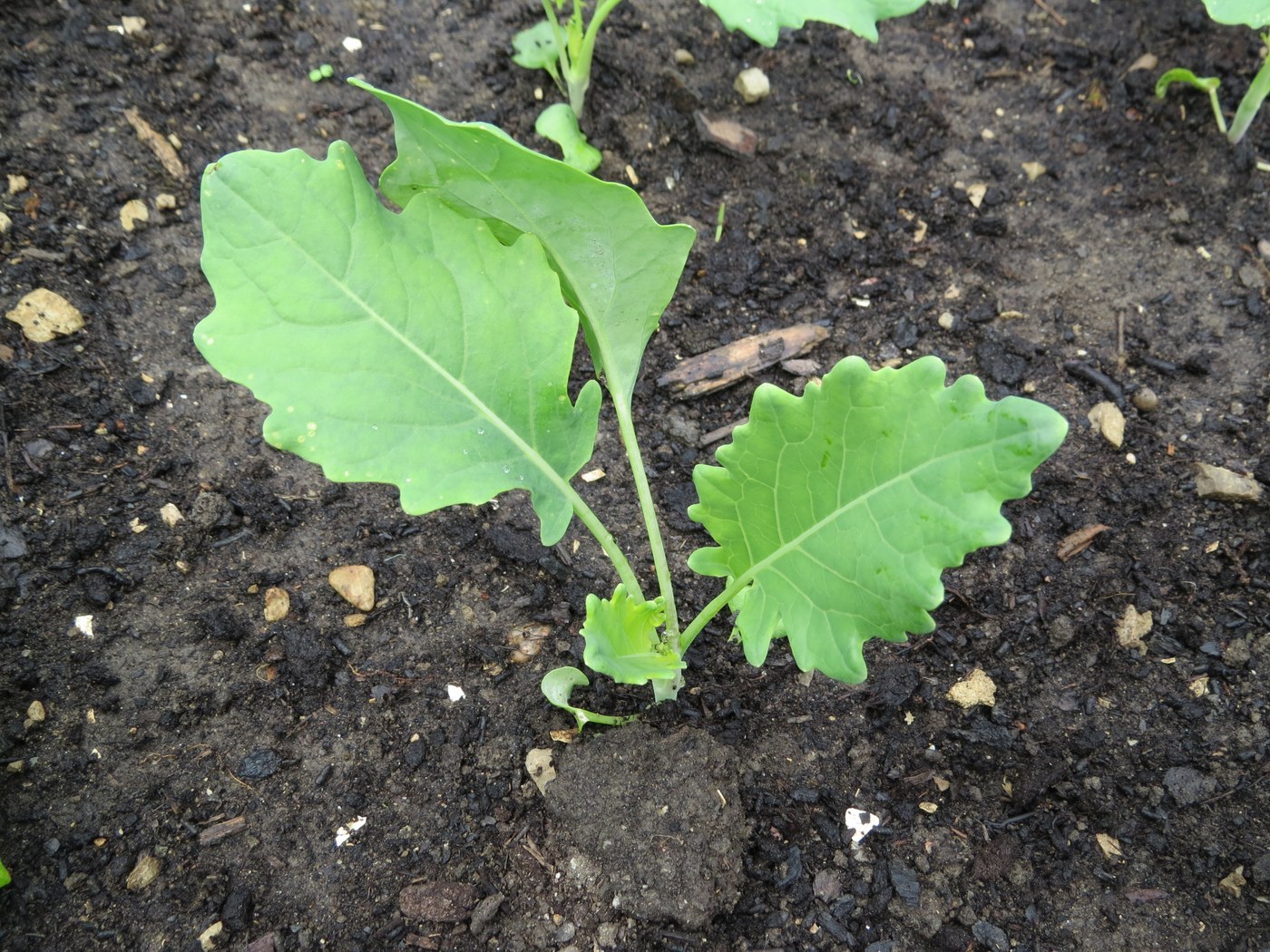
Kohlrabi (Brassica oleracea var. gongylodes) is a fast-growing cool-season brassica grown for its distinctive swollen, bulb-like stem that sits above the soil. It is easy to grow and does best when planted for quick, uninterrupted development in the cooler parts of the year.
Light
Grow kohlrabi in full sun, giving it at least six hours of direct light daily. Ample sun drives the steady, rapid growth that produces tender, well-formed stems. In warmer regions a little light afternoon shade can help keep plants from bolting in heat.
Water
Provide even, consistent moisture throughout growth. Irregular watering causes the swollen stem to become woody or to crack, so aim for steady soil moisture, roughly an inch of water per week. Mulching helps conserve moisture and keeps the root zone cool and evenly damp.
Soil & Potting
Kohlrabi prefers fertile, well-draining soil rich in organic matter with a near-neutral pH. Work in compost before planting. It grows well in raised beds and roomy containers as long as drainage is good and the soil holds consistent moisture.
Humidity & Temperature
This is a cool-season crop that thrives in mild temperatures and tolerates light frost, which can even improve growth. Extended heat causes bolting and toughens the stem, so time plantings for spring and autumn in most climates.
Feeding
Kohlrabi is a moderately heavy feeder. Enrich the soil with compost and apply a balanced fertilizer at planting, then a light nitrogen boost as plants establish to support leafy, vigorous growth. Avoid excess nitrogen late in the cycle.
Propagation
Grow from seed, sown directly in the garden or started indoors and transplanted. Sow shallowly and thin seedlings to give each plant room to swell. Succession sowing every few weeks extends the harvest window through the cool season.
Repotting / Pruning
Kohlrabi is grown as a single-cycle plant and is not repotted or pruned in the usual sense. Thinning seedlings to proper spacing is the key step, and removing any yellowing lower leaves keeps plants tidy and airflow good.
Common Problems & Pests
Watch for cabbage worms, aphids, flea beetles, and cabbage root maggots, all common to brassicas. Row covers offer good protection. Practice crop rotation to reduce soilborne disease such as clubroot, and keep the bed weeded and evenly watered to prevent stress-related cracking.
Seasonal Care Tips
Plant in early spring for a late-spring crop and again in late summer for an autumn crop, avoiding the heat of midsummer. Keep moisture steady, feed early, and grow plants quickly for the best tender stems. Cool autumn weather often yields the finest results.
Frequently asked questions
When is the best time to grow kohlrabi?
Grow it in the cool seasons: sow in early spring for a late-spring crop and again in late summer for an autumn crop. Avoid the heat of midsummer, which causes bolting.
Why did my kohlrabi stem turn woody?
Woody, tough stems usually result from uneven watering or from letting plants grow too slowly or too long. Keep moisture steady and grow them quickly.
Can I grow kohlrabi in a container?
Yes, use a roomy container with good drainage and rich, moisture-retentive soil, and keep watering consistent since pots dry out faster than beds.
How do I keep pests off my kohlrabi?
Use floating row covers to exclude cabbage worms, flea beetles, and root maggots, rotate your brassica crops, and inspect leaves regularly for aphids.