
How to Care for Kumquat
Grow a compact kumquat tree with full sun, steady watering, acidic well-drained soil, and regular citrus feeding for glossy evergreen foliage.
Read the full Kumquat encyclopedia entry →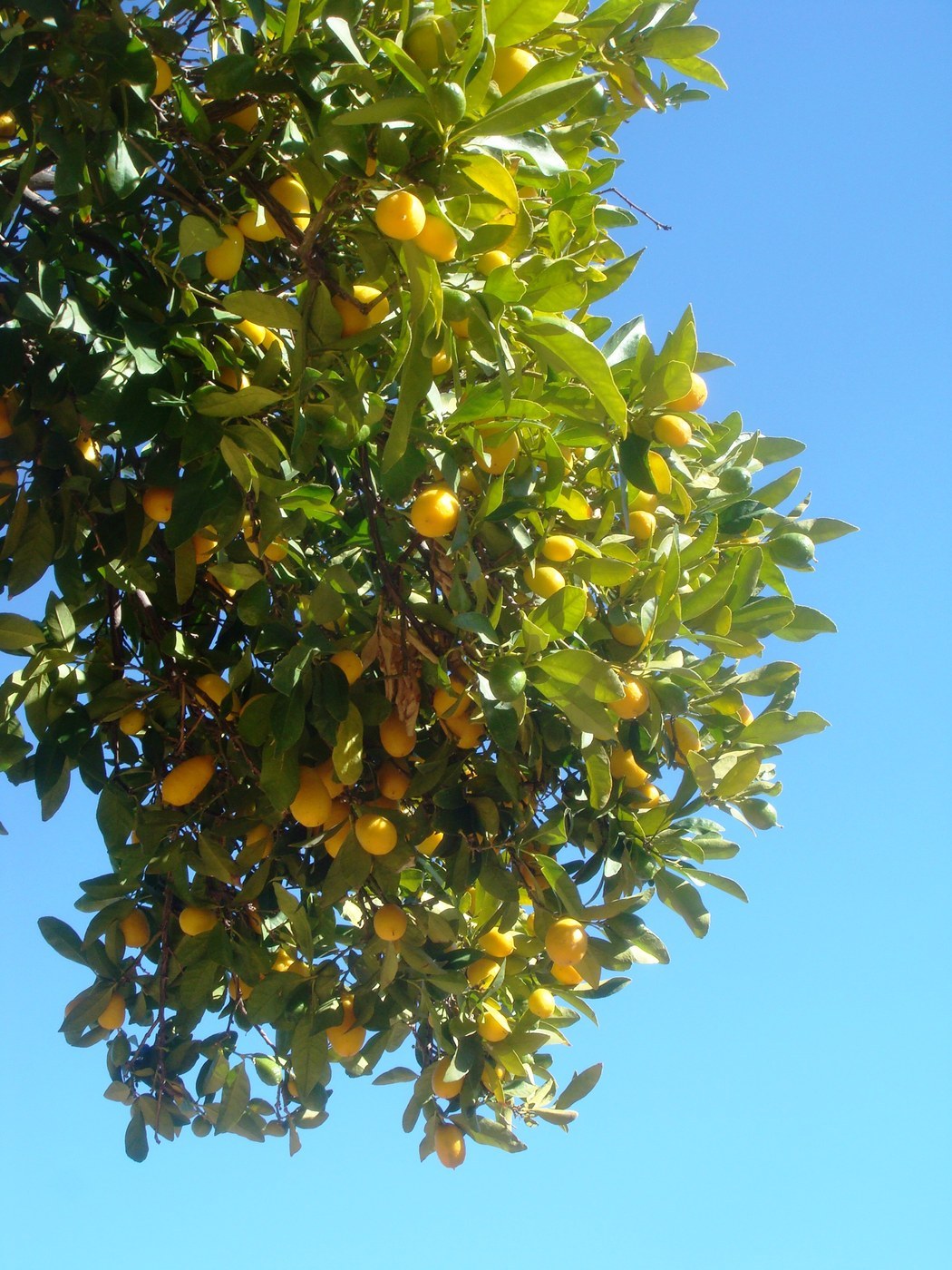
The kumquat (Citrus japonica) is a compact, slow-growing evergreen citrus prized for its glossy dark leaves, fragrant white spring blossoms, and abundant small ornamental fruit. It adapts well to large containers, making it a rewarding but moderately demanding subject for patios and sunrooms.
Light
Kumquats are sun-lovers and need full sun to look and perform their best. Give them a minimum of 6 to 8 hours of direct light daily. Outdoors, place them in the brightest, most sheltered spot you have. Indoors, position the tree at an unobstructed south- or west-facing window, and supplement with a grow light through short winter days. Rotate container trees a quarter-turn every week or two so growth stays even and the canopy does not lean toward the glass.
Water
Provide regular water but allow the top inch or two of soil to dry slightly before watering again. Kumquats dislike both drought stress and soggy roots. Water deeply until moisture runs from the drainage holes, then let the surface firm up before the next round. Trees in terracotta or in hot, windy positions dry out faster and may need watering every few days in summer; in cool, dim winter conditions they may need it only every week or two. Inconsistent watering is the most common cause of leaf and fruit drop, so aim for steady moisture rather than a wet-dry pendulum.
Soil & Potting
Use a loose, fast-draining, slightly acidic mix in the pH 6.0 to 6.5 range. A quality citrus or cactus potting mix, or a general mix amended with extra perlite, pine bark, or coarse sand, works well. Always plant in a container with generous drainage holes, and never let the pot stand in a saucer of water. Keep the root flare at or slightly above the soil line to prevent collar rot.
Humidity & Temperature
Kumquats are among the more cold-tolerant citrus and appreciate warm days with a mild seasonal dip. They thrive between roughly 60 and 85 F during the growing season. Protect potted trees from hard frost by moving them into a bright, cool but frost-free space over winter. Moderate humidity suits them; in dry, heated indoor air, group plants or run a humidity tray to discourage mite problems. Provide gentle air circulation to keep foliage dry and healthy.
Feeding
Citrus are heavy feeders. During the active growing season from spring through late summer, feed every 3 to 4 weeks with a fertilizer formulated for citrus, ideally one that includes micronutrients such as iron, zinc, and manganese. Yellowing leaves with green veins usually signal a micronutrient shortfall, correctable with a chelated citrus feed. Taper feeding in fall and largely stop in winter when growth slows.
Propagation
Kumquats are most reliably propagated by grafting selected varieties onto sturdy citrus rootstock, which is how nursery trees are produced and how they keep their compact habit. Semi-hardwood cuttings taken in summer can be rooted with bottom heat and rooting hormone under humid conditions, though success is slower. Seeds germinate readily but seedlings are variable and take many years to mature, so they are mainly of curiosity value.
Repotting / Pruning
Repot every 2 to 3 years in early spring, moving up one pot size and refreshing the mix; refresh the top few inches of soil in the intervening years. Prune lightly after the main harvest to shape the canopy, remove crossing or inward-growing twigs, and improve airflow. Pinch back leggy new growth to encourage a dense, bushy form. Remove any suckers arising below the graft union promptly, as they sap energy from the desirable top.
Common Problems & Pests
Watch for aphids, scale, mealybugs, and spider mites, especially on indoor trees in dry air. Treat infestations early with insecticidal soap or horticultural oil and improved humidity. Leaf drop typically traces to erratic watering, cold drafts, or sudden changes in light. Yellowing foliage points to nutrient deficiency or waterlogged roots. Sooty mold on leaves is a sign of sap-sucking pests excreting honeydew, so control the insects to clear it.
Seasonal Care Tips
In spring, resume feeding, repot if needed, and move the tree outdoors once nights stay reliably above about 50 F, acclimating it gradually to stronger light. Through summer, water and feed steadily to support flowering and fruit set. In fall, reduce feeding and prepare to bring container trees indoors before the first frost. In winter, keep the tree in a bright, cool spot, water sparingly, and hold off on fertilizer until spring growth resumes.
Frequently asked questions
Why is my kumquat dropping its leaves?
Leaf drop is most often caused by inconsistent watering, cold drafts, or an abrupt change in light or location. Aim for steady moisture, keep the tree away from heating vents and cold windows, and make any move to a new spot gradual so the tree can acclimate.
Can I grow a kumquat indoors?
Yes. Kumquats do well in large containers indoors if you give them the brightest window available, ideally south- or west-facing, and supplement with a grow light in winter. Provide good drainage, steady watering, and moderate humidity to keep foliage healthy.
Why are my kumquat leaves turning yellow?
Yellowing with green veins usually indicates a micronutrient deficiency such as iron; correct it with a chelated citrus fertilizer. Uniform yellowing and soft roots instead point to overwatering, so check drainage and let the topsoil dry between waterings.
How often should I repot a kumquat?
Repot every 2 to 3 years in early spring, moving up just one pot size and refreshing the mix. In the years between, replace the top few inches of soil to renew nutrients without disturbing the roots.