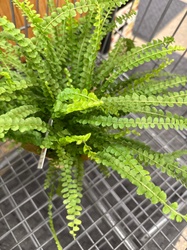
How to Care for Lemon Button Fern
Grow a compact, easy Lemon Button Fern with even moisture, bright indirect light, and steady humidity for lush button-shaped fronds.
Read the full Lemon Button Fern encyclopedia entry →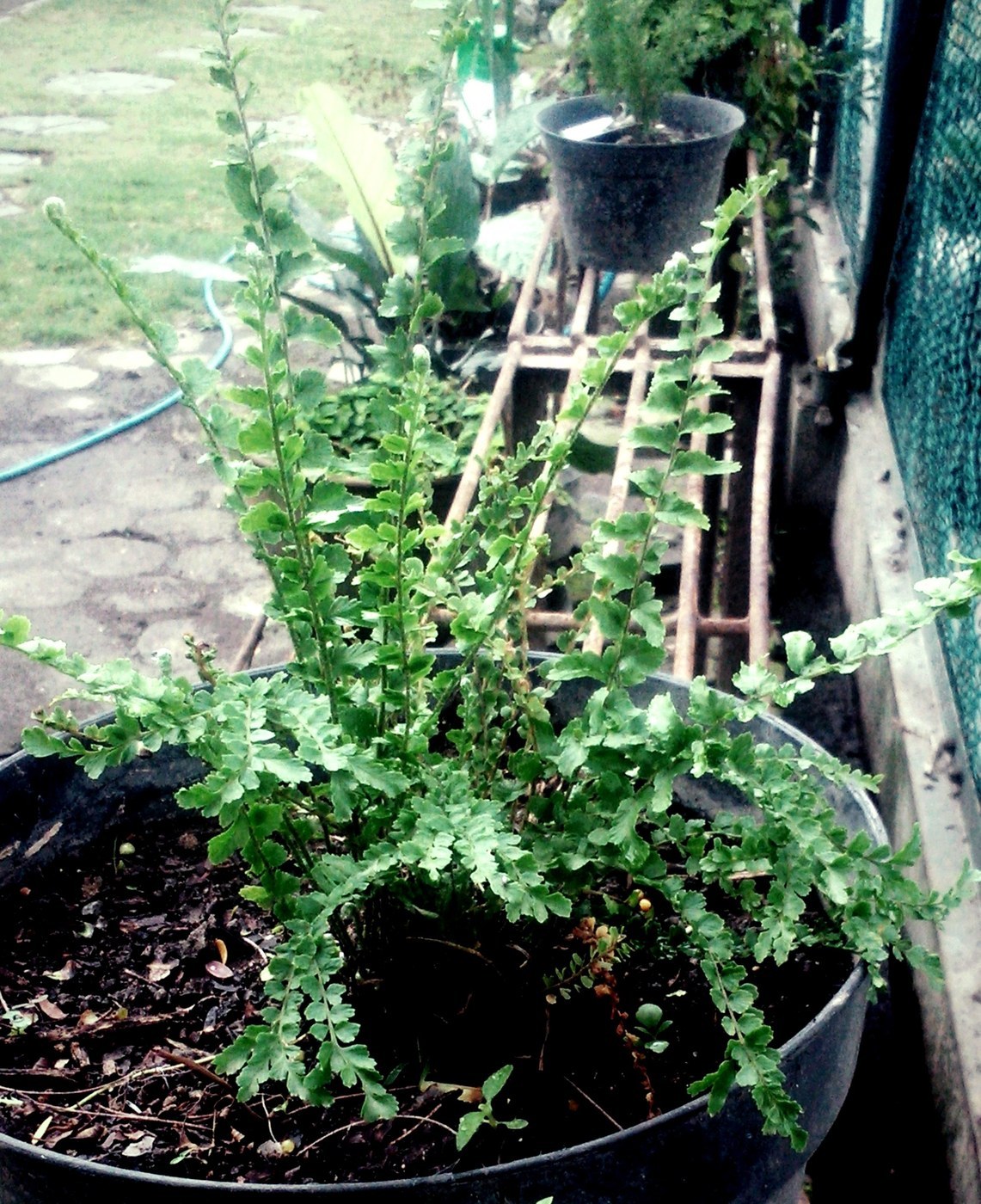
The Lemon Button Fern (Nephrolepis cordifolia 'Duffii') is a compact, forgiving relative of the Boston fern, prized for its arching fronds lined with round, button-like leaflets and a faint lemony scent when brushed. It is one of the easiest ferns to keep indoors, tolerating more neglect than most while still rewarding steady care with dense, tidy growth.
Light
Give it bright, indirect light near an east-facing window or a few feet back from a brighter exposure. It tolerates medium light but grows fuller and greener in bright indirect conditions. Keep it out of harsh, direct midday sun, which scorches and browns the delicate fronds.
Water
Keep the soil evenly moist but never waterlogged. Water thoroughly when the top half-inch of soil begins to feel slightly dry, letting excess drain away completely. This fern is far less prone to sudden crisping than a Boston fern, but it still resents drying out fully. Consistency is the key to avoiding brown, papery leaflets.
Soil & Potting
Use a light, airy, moisture-retentive mix. A blend of peat or coco coir with perlite and a little compost works well. Always plant in a pot with drainage holes; standing water at the roots leads to rot. A slightly snug pot keeps the plant tidy and helps prevent the soil from staying soggy.
Humidity & Temperature
Average room humidity is tolerated, but higher humidity produces lusher fronds. Group it with other plants, set it on a pebble tray, or run a humidifier, especially in dry winter air. It prefers temperatures of 60-75F (16-24C) and dislikes cold drafts, heating vents, and sudden temperature swings.
Feeding
Feed lightly during spring and summer with a balanced, diluted liquid fertilizer at half strength every four to six weeks. Ferns are sensitive to fertilizer salts, so err on the weak side and flush the soil occasionally. Stop feeding in fall and winter when growth slows.
Propagation
Propagate by division. In spring, remove the plant from its pot and gently separate the root ball into two or more clumps, each with healthy fronds and roots. Pot each division into fresh mix and keep evenly moist and humid until established. It also spreads by runners that can be potted up.
Repotting / Pruning
Repot every one to two years in spring, or when roots fill the pot, moving up one pot size. Trim away any browned or tattered fronds at the base to keep the plant looking fresh and to encourage new growth from the center.
Common Problems & Pests
Brown, crispy fronds usually signal underwatering or low humidity; yellowing and mushy bases point to overwatering. Watch for scale, mealybugs, and spider mites, which appear more often when air is dry. Wipe or rinse fronds and treat infestations with insecticidal soap, testing on a small area first.
Seasonal Care Tips
In spring and summer, keep moisture and feeding steady during active growth. In fall and winter, reduce feeding, water a touch less, and boost humidity to offset dry indoor heating. Keep it away from cold windowpanes and hot radiators through the colder months.
Frequently asked questions
Why are the fronds on my Lemon Button Fern turning brown?
Browning fronds usually mean the soil dried out too much or the air is too dry. Keep the mix evenly moist, raise humidity with a pebble tray or humidifier, and move it away from heat vents.
How much light does a Lemon Button Fern need?
Bright, indirect light is ideal. It tolerates medium light but stays fuller and greener in bright indirect conditions. Avoid harsh direct sun, which scorches the leaflets.
How often should I water it?
Water when the top half-inch of soil starts to feel slightly dry, keeping the soil evenly moist but never soggy. Always let excess water drain fully to prevent root rot.
Is the Lemon Button Fern easy to grow?
Yes. It is one of the most forgiving ferns, tolerating average humidity and occasional lapses in watering far better than a Boston fern, making it a great choice for beginners.
Lemon Button Fern identified by the community
Recent Lemon Button Fern specimens identified with Plant Identifier.