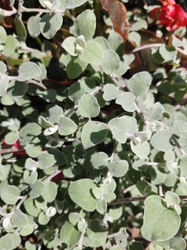
How to Care for Licorice
Grow the ornamental licorice plant in full sun with deep, loose soil and patience for a hardy, spreading perennial.
Read the full Licorice encyclopedia entry →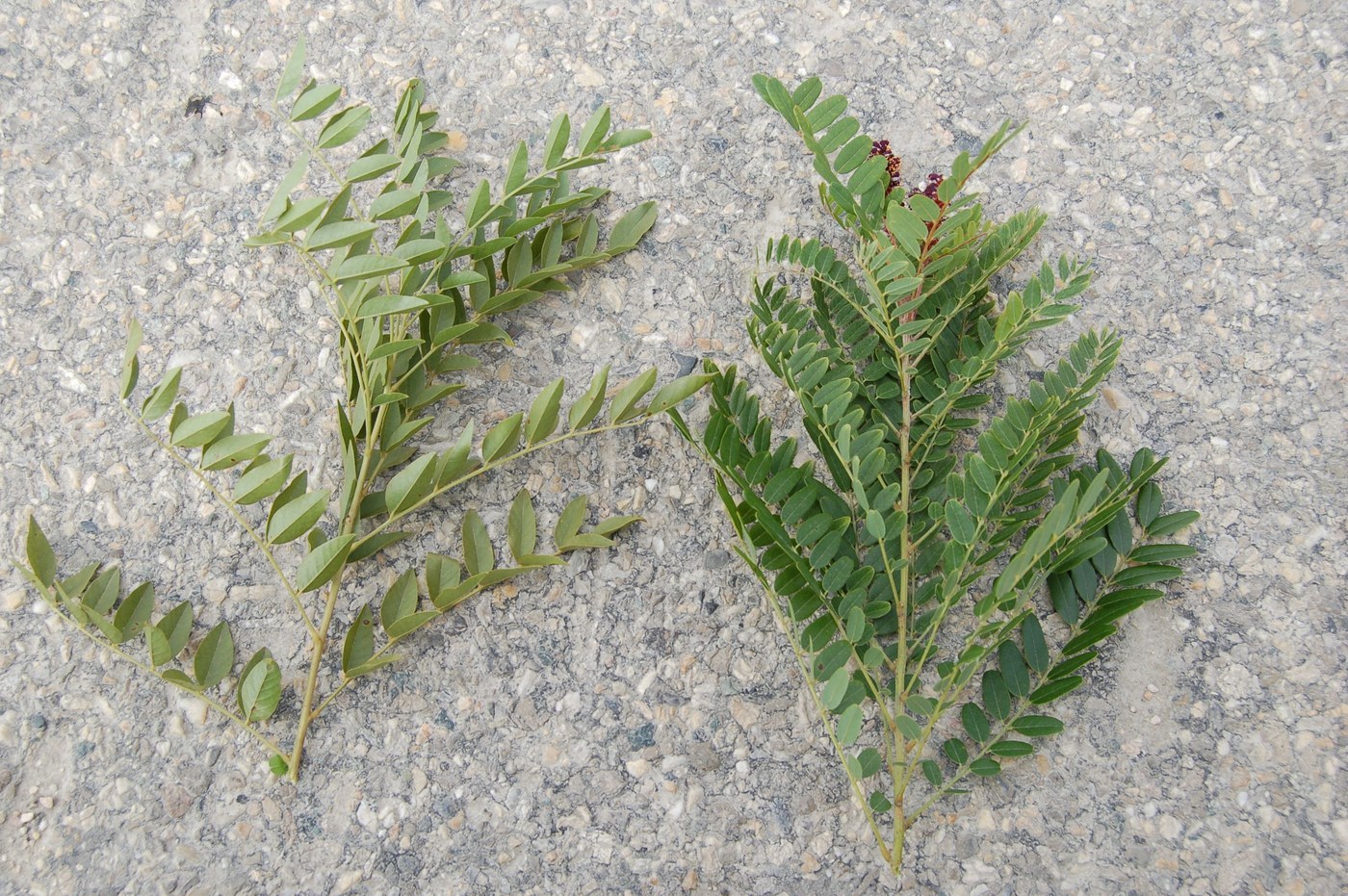
Licorice (Glycyrrhiza glabra) is a hardy, deep-rooted perennial legume with feathery pinnate foliage and small pale-blue to violet pea-like flowers. It is a moderately easy plant to grow given warmth, sun, and deep loose soil, though it demands patience while its extensive root system develops.
Light
Licorice needs full sun for strong, upright growth and good flowering. Give it the sunniest spot available, with at least 6-8 hours of direct light per day. In hot climates it tolerates a little afternoon shade, but too much shade produces leggy, weak stems.
Water
Water moderately, letting the soil dry slightly between waterings. Once established, the deep taproot makes licorice quite drought-tolerant, but during its first season and through active summer growth it appreciates regular deep watering. Avoid persistently soggy soil, which can rot the roots.
Soil & Potting
Deep, loose, well-draining soil is essential because the roots run long and deep. A sandy loam enriched with organic matter is ideal, with a neutral to slightly alkaline pH. Break up any hardpan before planting. As a legume it fixes its own nitrogen and tolerates lean soils. If growing in a container, choose the deepest pot you can find to accommodate the roots, though this is a plant that truly prefers the open ground.
Humidity & Temperature
Licorice thrives in warm, Mediterranean-style conditions with hot summers. It is frost-hardy once established and the roots survive winter dormancy in temperate zones, dying back to the ground and re-emerging in spring. Average humidity is fine; it dislikes cold, wet, poorly drained sites in winter.
Feeding
Being nitrogen-fixing, licorice needs little supplemental nitrogen. A yearly topdressing of compost in spring is generally enough. If growth is weak, a light dose of a balanced low-nitrogen fertilizer with phosphorus and potassium supports root development.
Propagation
Propagate most reliably from root cuttings or divisions taken in autumn or early spring, each with at least one growth bud. It can also be grown from seed, though seeds have a hard coat that benefits from scarification and soaking, and seedlings are slow to establish. Division of the spreading rhizomes is the fastest way to build new plants.
Repotting / Pruning
Because it spreads by underground rhizomes, licorice can become invasive in ideal conditions; contain it or divide it periodically to keep it in bounds. Cut back the top growth after it dies down in autumn. Container plants should be repotted or divided every couple of years as the roots quickly fill the pot.
Common Problems & Pests
Licorice is generally trouble-free. Root rot from waterlogged soil is the main risk, so prioritize drainage. Occasional aphids or caterpillars may visit the foliage but rarely cause serious harm. Powdery mildew can appear in humid, crowded conditions, so allow airflow between plants.
Seasonal Care Tips
Plant in spring once the soil has warmed. Water regularly through the first summer to establish the roots, then reduce watering as the plant matures. Allow the top growth to die back naturally in autumn and mulch the crown in colder regions. Expect the plant to take two to three seasons to develop its full, deep root system.
Frequently asked questions
Why is my licorice plant growing so slowly?
Licorice invests heavily in developing its deep root system before putting on lush top growth. Give it full sun, deep loose soil, and two to three seasons of patience to establish.
Does licorice need a lot of fertilizer?
No. As a nitrogen-fixing legume it needs little feeding. A yearly spring topdressing of compost is usually sufficient; avoid heavy nitrogen, which promotes weak leafy growth.
Can I grow licorice in a pot?
You can, but choose the deepest container possible to accommodate the long roots and divide it every couple of years. It performs far better planted in open, well-drained ground.
Is licorice hard to keep contained?
It spreads by underground rhizomes and can become aggressive in good conditions. Use a root barrier or divide it periodically to keep it in bounds.
Licorice identified by the community
Recent Licorice specimens identified with Plant Identifier.