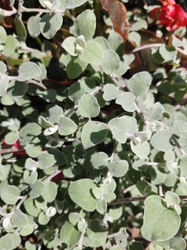
Licorice Identification Guide
How to identify licorice (Glycyrrhiza glabra) by its pinnate leaves, pale blue-violet pea flowers, distinctive seed pods, and sweet-tasting roots.
Read the full Licorice encyclopedia entry →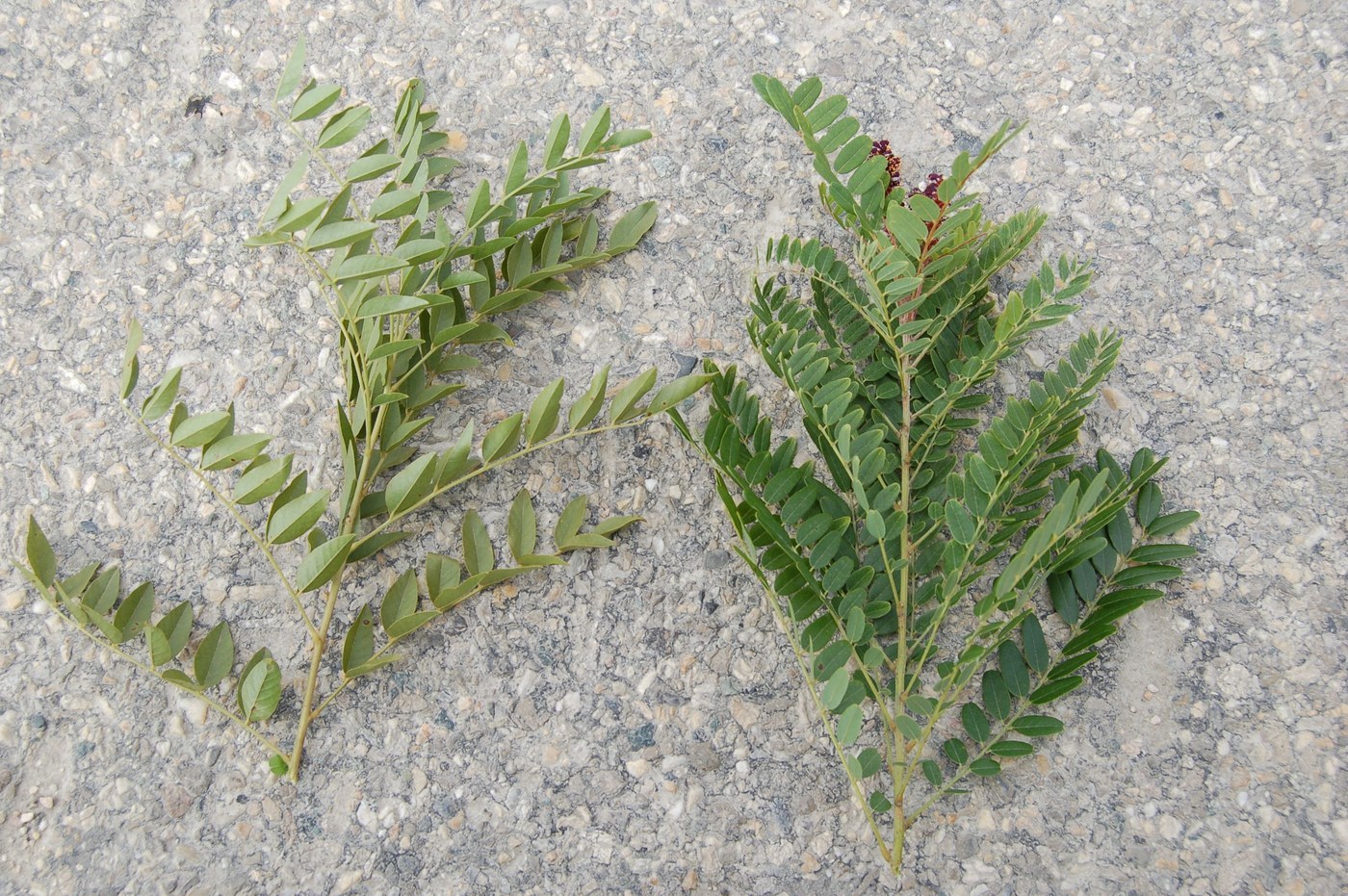
Key Identifying Features
Licorice (Glycyrrhiza glabra), the source of the famous sweet flavoring, is a herbaceous legume of the pea family. Recognize it by:
- Pinnately compound leaves with 9–17 oval leaflets.
- Pale blue to violet pea-like flowers in upright spikes.
- A bushy, upright habit reaching 1–1.5 m (3–5 ft).
- A deep, spreading root and stolon system that tastes intensely sweet — the defining feature.
Leaves & Stems
The leaves are alternate and pinnate, 7–15 cm long, carrying 9 to 17 leaflets arranged along the rachis with a single terminal leaflet. Each leaflet is oval to oblong, 2–5 cm, smooth-edged, and slightly sticky or glandular underneath (glabra means smooth, referring to the pods). The foliage is mid-green. Stems are erect, branching, and somewhat woody at the base. The plant spreads by horizontal underground stolons and a thick taproot; scratch and taste a small piece of root — the unmistakable sweet licorice flavor (from glycyrrhizin) is conclusive.
Flowers & Fruit
In summer, licorice bears loose, upright clusters (racemes) of typical pea-family flowers — pale blue, lavender, to whitish-violet, each about 1 cm with the classic banner-wing-keel shape. These mature into distinctive smooth, oblong, flattened seed pods about 2–3 cm long, reddish-brown when ripe, containing several seeds. (A related species, G. echinata, has bristly pods — G. glabra's are smooth.)
How to Tell It Apart from Look-Alikes
- Astragalus / milkvetch and other legumes: similar pinnate leaves and pea flowers, but they lack the sweet-tasting root and have different pod shapes.
- Wild licorice (Glycyrrhiza lepidota), a North American relative, has burr-like, hooked-bristly pods rather than smooth ones.
- False indigo (Amorpha) and vetches: differ in flower color and leaflet count.
- The pairing of pinnate leaves + pale violet pea flowers + smooth pods + sweet root distinguishes true licorice.
Where You'll Find It
Licorice is native to southern Europe, the Mediterranean, and western Asia, growing in deep, well-drained, sunny soils along riverbanks and open ground. It is widely cultivated in herb gardens and commercial fields. It favors warm, dry climates and can become weedy where established.
Quick ID Checklist
- Pinnate leaves with 9–17 oval leaflets
- Pale blue-to-violet pea-shaped flowers in upright spikes
- Smooth, flattened oblong seed pods
- Bushy upright habit, 1–1.5 m
- Roots/stolons taste distinctly sweet (licorice flavor)
The sweet root plus pale violet pea flowers confirm licorice.
Frequently asked questions
How can I be sure a plant is true licorice?
Taste a small scraping of root: genuine licorice has an intensely sweet, characteristic flavor from glycyrrhizin. Combined with pinnate leaves and pale violet pea flowers, that's definitive.
What do licorice flowers look like?
They're small pea-family flowers, pale blue to lavender-violet, about a centimeter across, borne in loose upright clusters during summer.
How is Glycyrrhiza glabra different from American wild licorice?
Glycyrrhiza glabra has smooth, flattened pods, while the North American wild licorice (G. lepidota) has hooked, bur-like bristly pods that cling to clothing.
Which part of licorice is the source of the flavor?
The roots and underground stolons. They contain glycyrrhizin, which is many times sweeter than sugar and gives the plant its name and characteristic taste.
Licorice identified by the community
Recent Licorice specimens identified with Plant Identifier.