
How to Care for Lime Tree
Grow a healthy ornamental lime tree with full sun, deep watering, well-drained soil, and steady citrus feeding.
Read the full Lime Tree encyclopedia entry →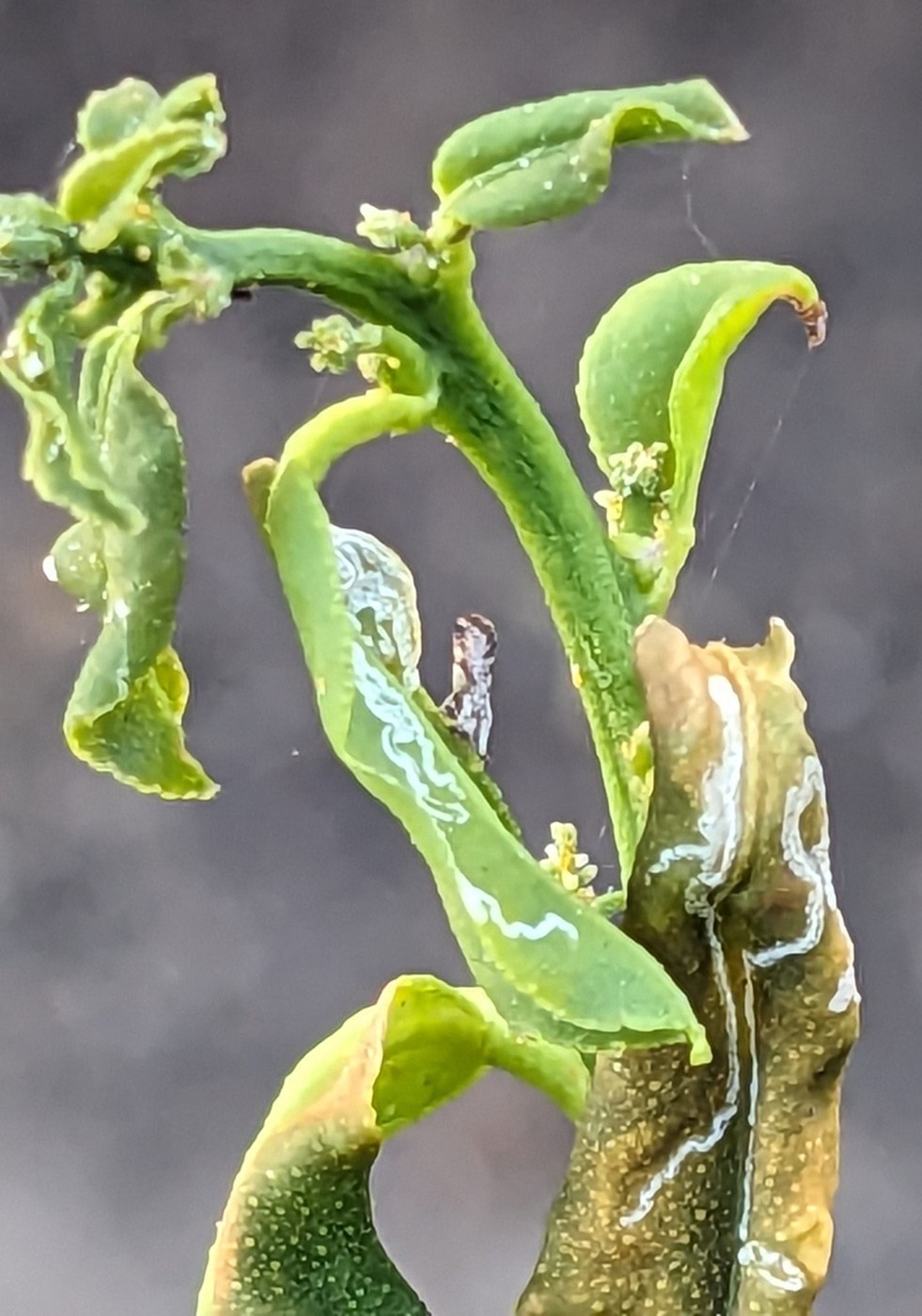
The lime tree (Citrus aurantiifolia) is an attractive evergreen citrus with glossy foliage, fragrant white blossoms, and a naturally bushy, rounded form. Grown in the ground in warm climates or in a large container elsewhere, it rewards attentive care with vigorous growth and ornamental appeal.
Light
Limes are sun lovers and need full sun, ideally six to eight hours of direct light daily. Outdoors, choose the brightest, warmest spot available. Container trees indoors should sit at a south-facing window or under strong grow lights; insufficient light leads to sparse growth and weak blossoming.
Water
Water deeply, then allow the topsoil to dry before watering again. The goal is soil that stays evenly moist but never waterlogged. Deep, thorough soakings encourage a strong root system, while frequent shallow watering does not. Container trees dry faster and need more regular attention, especially in summer heat.
Soil & Potting
Use a loose, fast-draining soil or a quality citrus potting mix. Sandy loam amended with organic matter works well in the ground. Good drainage is essential, as limes are highly sensitive to standing water. For pots, choose a large container with ample drainage holes.
Humidity & Temperature
Limes prefer warm conditions and are the most cold-sensitive of the common citrus. Keep them above roughly 50 F and protect from frost, moving containers indoors or under cover when temperatures drop. Moderate to high humidity suits them; indoors, occasional misting or a pebble tray helps in dry air.
Feeding
Feed regularly during the growing season with a fertilizer formulated for citrus, which supplies nitrogen plus micronutrients like iron, zinc, and manganese. Apply from early spring through late summer following label rates. Yellowing leaves with green veins often indicate a micronutrient deficiency correctable with citrus feed.
Propagation
Limes are commonly propagated by grafting named varieties onto hardy rootstock, or from semi-hardwood cuttings taken in warm weather. Seed-grown trees are slower to mature and may vary from the parent. Air layering is another reliable method for producing a rooted branch.
Repotting / Pruning
Repot container limes every two to three years in spring, refreshing the mix and moving up a pot size as needed. Prune to shape the canopy, remove crossing or dead branches, and improve airflow. Also remove any suckers that sprout below the graft union so the tree's energy stays in the desired variety.
Common Problems & Pests
Overwatering and poor drainage cause root problems and leaf drop. Watch for aphids, scale, mealybugs, spider mites, and citrus leaf miner, which tunnels through new leaves. Treat with horticultural oil or insecticidal soap. Yellowing foliage may reflect nutrient deficiency or cold stress.
Seasonal Care Tips
Spring and summer are the main growth and flowering seasons, so water and feed consistently then. In fall, taper feeding, and in winter protect the tree from cold, reducing watering as growth slows. Container trees brought indoors for winter should get the brightest possible light.
Frequently asked questions
How much sun does a lime tree need?
A lime tree needs full sun, about six to eight hours of direct light each day. Indoors, place it at a bright south-facing window or supplement with grow lights.
How do I water a lime tree correctly?
Water deeply so the whole root zone is soaked, then let the topsoil dry before watering again. Keep soil evenly moist but never waterlogged, and water container trees more often in heat.
Why are my lime tree's leaves turning yellow?
Yellowing often signals a micronutrient deficiency, overwatering, or cold stress. A citrus-specific fertilizer with iron and zinc, plus better drainage, usually helps.
Can I grow a lime tree in a pot?
Yes. Use a large, well-draining container with a citrus mix, keep it in full sun, water deeply, feed with citrus fertilizer, and protect it from frost in winter.