
How to Care for Lipstick Plant
Grow Aeschynanthus radicans, a trailing epiphyte with glossy leaves and tubular red flowers, in bright indirect light and lightly moist soil.
Read the full Lipstick Plant encyclopedia entry →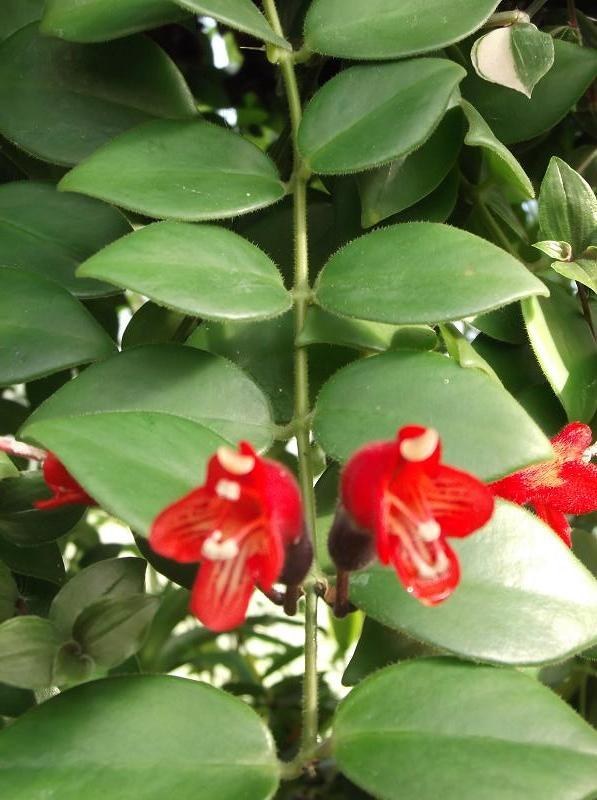
The lipstick plant (Aeschynanthus radicans) is a trailing epiphyte grown for its cascading stems of waxy green leaves and vivid tubular red flowers that emerge from dark calyxes, resembling a lipstick in its tube. It is a rewarding hanging-basket plant that needs a bit of attention to bloom well.
Light
Bright, indirect light is essential for good flowering. An east or west window, or a spot near bright light without harsh midday rays, is ideal. Too little light yields lush foliage but few or no blooms, while direct sun can scorch and fade the leaves. Give it consistent bright light to keep it flowering.
Water
Keep the soil lightly moist during the growing season, letting the surface dry slightly between waterings. Water thoroughly, then allow excess to drain; never leave it soggy or bone-dry for long. As an epiphyte, its roots dislike constant saturation, so back off watering in winter and let it dry a little more between drinks.
Soil & Potting
Use a light, airy, well-draining mix, such as a blend of potting soil with orchid bark, perlite and some peat or coir, mimicking its epiphytic nature. A hanging basket suits its trailing habit and improves air circulation around the roots. Ensure the container drains freely.
Humidity & Temperature
This is a warmth-loving tropical that prefers temperatures between 18 and 27 C and dislikes drops below about 13 C. It appreciates moderate to high humidity; in dry indoor air, grouping plants or using a pebble tray or humidifier helps. Keep it away from cold drafts and air-conditioning blasts.
Feeding
Feed every two to four weeks during spring and summer with a diluted balanced fertilizer, or one slightly higher in phosphorus to encourage blooms. Stop or greatly reduce feeding in autumn and winter while growth slows. Avoid overfeeding, which favors leaves at the expense of flowers.
Propagation
Lipstick plant is easily propagated from stem-tip cuttings a few inches long. Remove the lower leaves and root the cuttings in moist, well-draining mix or water; they root readily in warm, humid conditions. Rooting several cuttings together in one pot produces a fuller plant faster.
Repotting / Pruning
This plant blooms best when slightly pot-bound, so repot only every couple of years when truly crowded, in spring. After a flush of flowers, prune leggy stems back to keep the plant compact and encourage branching and future blooms. Pinching stem tips promotes bushier growth.
Common Problems & Pests
Leaf drop is common when the plant is stressed by cold drafts, sudden temperature swings, or inconsistent watering. Failure to bloom usually means insufficient light. Yellowing leaves can indicate overwatering. Watch for aphids, mealybugs and spider mites, particularly in dry air, and treat infestations early. Good drainage prevents root rot.
Seasonal Care Tips
During spring and summer, keep it warm, brightly lit, lightly moist and regularly fed to fuel flowering. After blooming, prune back to shape it. In autumn and winter, reduce watering and feeding, maintain warmth and humidity, and protect it from cold windowsills and drafts. A slightly cooler, drier rest can help set the next round of buds.
Frequently asked questions
Why won't my lipstick plant flower?
The most common reason is too little light. Give it consistent bright, indirect light, avoid overfeeding with nitrogen, and prune after each bloom cycle. Keeping it slightly pot-bound also encourages flowering.
Why are the leaves dropping off my lipstick plant?
Leaf drop is usually a stress response to cold drafts, sudden temperature changes, or erratic watering. Keep it warm and away from drafts, and maintain even light moisture without letting it get soggy or fully dry out.
How do I keep my lipstick plant from getting leggy?
Prune stems back after flowering and pinch the tips during the growing season to encourage branching. Adequate bright light also keeps growth compact rather than stretched.
Does the lipstick plant need high humidity?
It prefers moderate to high humidity as a tropical epiphyte. In dry indoor air, use a pebble tray, humidifier, or group it with other plants to keep it lush and blooming.