
How to Care for Live Oak
Grow a majestic Live Oak (Quercus virginiana): a broad, evergreen shade tree that thrives in full sun and shrugs off drought once established.
Read the full Live Oak encyclopedia entry →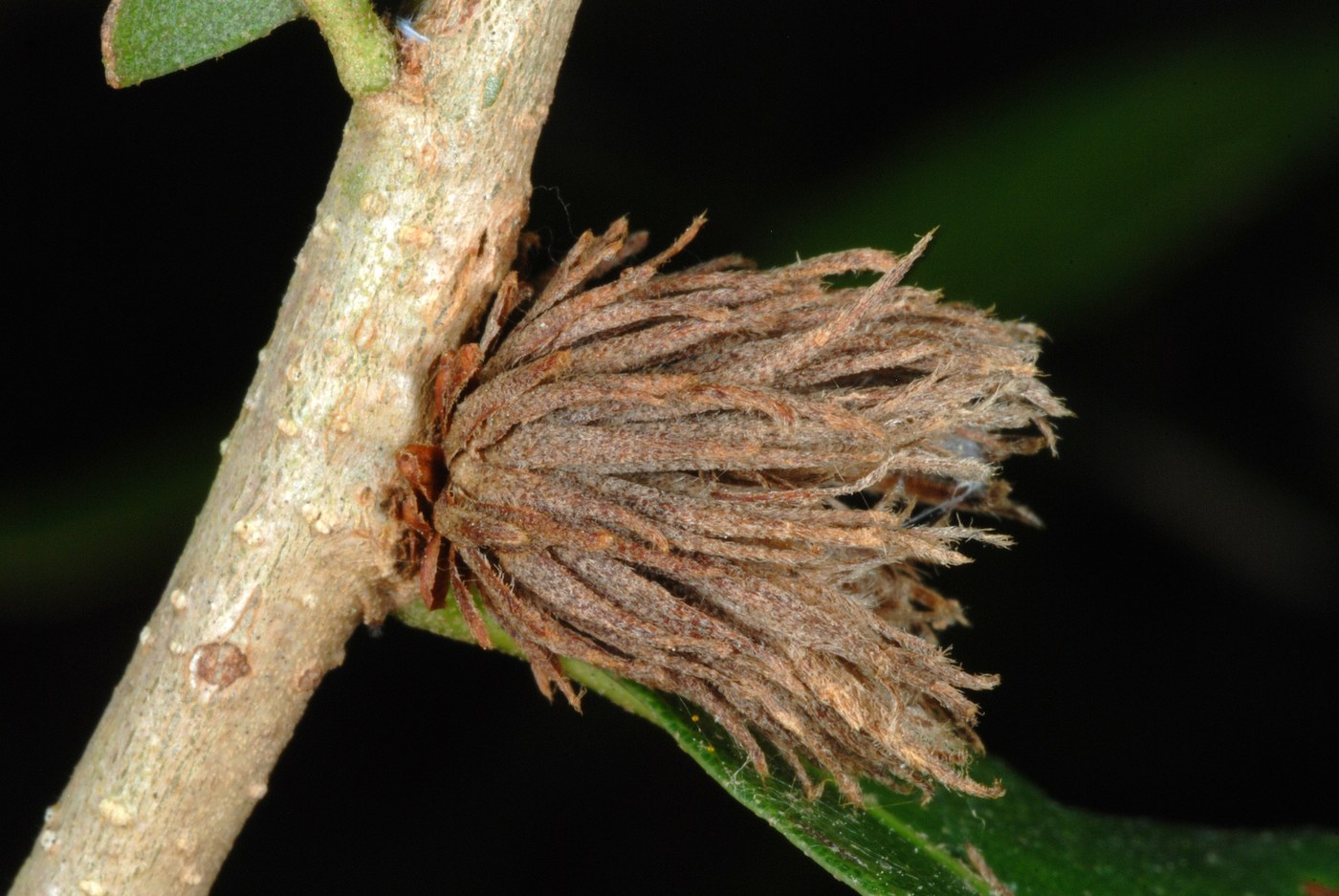
The Live Oak (Quercus virginiana) is a sprawling, semi-evergreen shade tree famous for its wide, low-slung canopy and gracefully arching limbs. It is an easy, long-lived landscape tree that asks little once its deep roots take hold.
Light
Give Live Oak full sun for the strongest, most symmetrical canopy. It will tolerate very light shade when young, but sustained sun produces the dense, spreading crown the species is prized for. Avoid planting where taller structures or trees will shade it out over time.
Water
Water deeply and regularly for the first two to three growing seasons to establish the root system, soaking the root zone rather than sprinkling lightly. Once established, Live Oak is highly drought tolerant and needs little supplemental water; deep, infrequent soakings during extended dry spells are far better than frequent shallow watering. Consistent with its low-water rating, mature trees generally thrive on rainfall alone in suitable climates.
Soil & Potting
Live Oak is adaptable to a wide range of soils, from sandy coastal ground to heavier loams, and tolerates a broad pH range. Good drainage matters most; it dislikes standing water around the trunk. It handles some salt spray and compacted soils better than most large trees, making it a durable choice for coastal and urban sites.
Humidity & Temperature
Native to the warm, humid southeastern regions, Live Oak thrives in mild to hot climates and high humidity. It is best suited to frost-light zones and can be damaged by hard, prolonged freezes. In its comfortable range it holds much of its foliage through winter, dropping and replacing leaves in early spring.
Feeding
Established Live Oaks rarely need feeding. For young trees on poor soil, a light application of a balanced, slow-release tree fertilizer in early spring can support growth. Avoid heavy nitrogen, which forces weak, fast growth prone to breakage. A layer of organic mulch over the root zone feeds the soil naturally as it breaks down.
Propagation
Live Oak is grown from acorns collected in fall. Sow fresh acorns promptly, as they lose viability quickly if allowed to dry out. Plant about an inch deep in well-draining soil and keep lightly moist; germination follows in the weeks after sowing. Seedlings develop a strong taproot early, so transplant to their permanent site while young to avoid disturbing it.
Repotting / Pruning
Prune young trees to establish a strong central structure and well-spaced scaffold limbs, removing crossing or competing branches. Do the bulk of structural pruning while the tree is young and cuts are small. Mature Live Oaks need only occasional removal of dead or damaged wood. For large or heavy limbs, professional arborists are recommended. Prune during the tree's dormant or slow-growth period to reduce stress.
Common Problems & Pests
Live Oak is generally tough, but it can host galls, scale, caterpillars, and leaf-mining insects, most of which are cosmetic and rarely need treatment. Root rot can occur in poorly drained soils, so avoid overwatering and standing water. Keep mulch a few inches back from the trunk to prevent bark rot, and avoid soil compaction and grade changes over the root zone.
Seasonal Care Tips
Plant in fall or early spring so roots establish before summer heat. Water attentively through the first summers. Refresh mulch annually and do structural pruning in the dormant season. In spring, expect a brief leaf drop and flush of new growth as the tree renews its canopy.
Frequently asked questions
How much sun does a Live Oak need?
Full sun is best. Live Oak develops its dense, spreading canopy in open, sunny sites, though young trees tolerate very light shade.
How often should I water a Live Oak?
Water deeply and regularly for the first two to three seasons to establish roots. After that it is drought tolerant and needs only occasional deep soakings in extended dry spells.
Is Live Oak really evergreen?
It is semi-evergreen. It holds most of its leaves through winter in mild climates, then drops and replaces them quickly in early spring.
When is the best time to prune a Live Oak?
Prune during the dormant or slow-growth season, focusing structural pruning on young trees when cuts are small. Leave large limbs to professional arborists.