
How to Care for Lobelia
Grow Lobelia erinus for cascades of blue flowers with sun to part shade, consistently moist rich soil, and light feeding through the growing season.
Read the full Lobelia encyclopedia entry →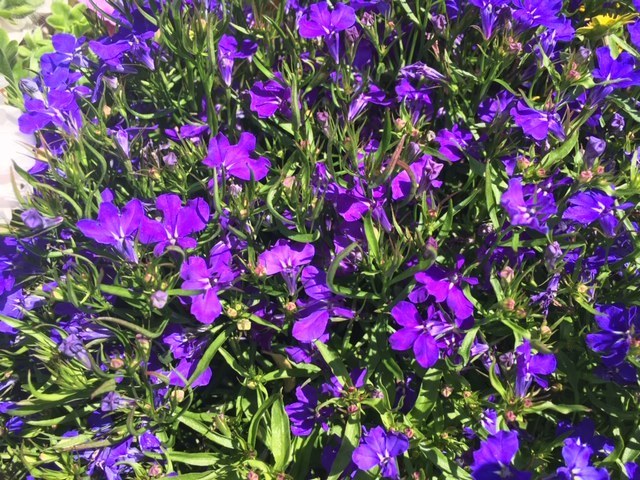
Trailing lobelia (Lobelia erinus) is a low, mounding-to-cascading annual smothered in tiny flowers of intense blue, violet, white, or rose. Easy and floriferous, it is a favorite for hanging baskets, window boxes, and border edges, needing mainly steady moisture and cool conditions to keep blooming.
Light
Lobelia grows in full sun to part shade. In cooler climates it flowers most heavily in full sun, but where summers are hot it performs far better with afternoon shade, which prevents the plants from scorching and stalling. Aim for morning sun with protection from intense midday heat as a good all-round compromise. Adequate light keeps the mounds dense and the flower count high.
Water
Keep lobelia consistently moist; this is the single most important part of its care. The shallow, fine-rooted plants wilt and stop blooming quickly if the soil dries out, and hanging baskets in particular can dry rapidly and need daily watering in warm weather. Water whenever the surface begins to dry, aiming for evenly damp but not waterlogged soil. Consistent moisture, combined with cool temperatures, is the key to a long bloom season.
Soil & Potting
Use a rich, moisture-retentive but well-drained soil or a quality potting mix enriched with organic matter. In containers, a peat- or coir-based mix with some added compost holds moisture well while still draining. Ensure pots and baskets have drainage holes so roots never sit in standing water. Blending in a little water-retaining organic matter helps the shallow roots stay evenly hydrated.
Humidity & Temperature
Lobelia is a cool-season lover that flowers best in mild temperatures and often falters in prolonged summer heat. It thrives in the roughly 55 to 75 F range. In hot climates it may slow or decline by midsummer, then rebound as temperatures cool in fall. Provide good airflow to keep foliage healthy, and where heat is intense, site plants where they get relief during the hottest hours.
Feeding
Lobelia is a steady, hungry bloomer that benefits from regular light feeding. Apply a balanced liquid fertilizer every two to three weeks through the growing season, or incorporate a slow-release feed at planting. Container plants especially appreciate regular feeding because frequent watering leaches nutrients. Do not overfeed with high nitrogen, which pushes foliage at the expense of flowers.
Propagation
Lobelia is usually grown from seed, which is very fine and should be sown on the surface and pressed in without covering, as it needs light to germinate. Start seed indoors well before the last frost because germination and early growth are slow. Named or favorite plants can also be propagated from soft stem cuttings taken in the growing season and rooted in moist mix.
Repotting / Pruning
As an annual, lobelia is typically planted out for a single season rather than repotted long-term. If plants become leggy or bloom slows in midsummer, shear them back by about a third to refresh the mounds and encourage a fresh flush of flowers, then water and feed to fuel the regrowth. Regular light trimming keeps baskets full and tidy.
Common Problems & Pests
Lobelia's chief challenge is heat and drought stress, which causes wilting, browning, and a mid-season bloom slump; keeping plants cool and evenly moist prevents most of this. Overly wet, stagnant conditions can invite root rot and fungal issues, so balance moisture with drainage and airflow. Aphids and slugs occasionally trouble the plants; rinse off aphids or use insecticidal soap, and manage slugs around young growth.
Seasonal Care Tips
Start seed indoors in late winter for early transplants. Plant out after frost danger passes, once soil warms slightly, and water in well. Through spring and early summer, keep the soil consistently moist and feed regularly for peak bloom. In the heat of midsummer, shear leggy plants and give extra water and afternoon shade. As fall cool returns, plants often rebound with a fresh flush before the season ends.
Frequently asked questions
Why did my lobelia stop blooming in midsummer?
Lobelia is a cool-season plant that often slows or stalls in summer heat. Shear the plants back by about a third, keep the soil consistently moist, provide afternoon shade, and feed lightly; many will rebound with a fresh flush of flowers as temperatures cool in fall.
How often should I water lobelia in hanging baskets?
Baskets dry out quickly and may need watering daily, sometimes twice a day, in warm weather. Keep the mix evenly moist at all times, since lobelia wilts and stops flowering fast if it dries out.
Can I grow lobelia from seed?
Yes. Sow the very fine seed on the surface and press it in without covering, since it needs light to germinate. Start it indoors well before the last frost because germination and early growth are slow.
Does lobelia prefer sun or shade?
It grows in full sun to part shade. In cool climates full sun gives the most flowers, but in hot regions it does much better with afternoon shade to avoid heat stress. Morning sun with midday protection is a reliable compromise.