
How to Care for Loganberry
Grow the vigorous trailing Loganberry cane with full sun, deep weekly watering, sturdy trellising, and annual cane renewal.
Read the full Loganberry encyclopedia entry →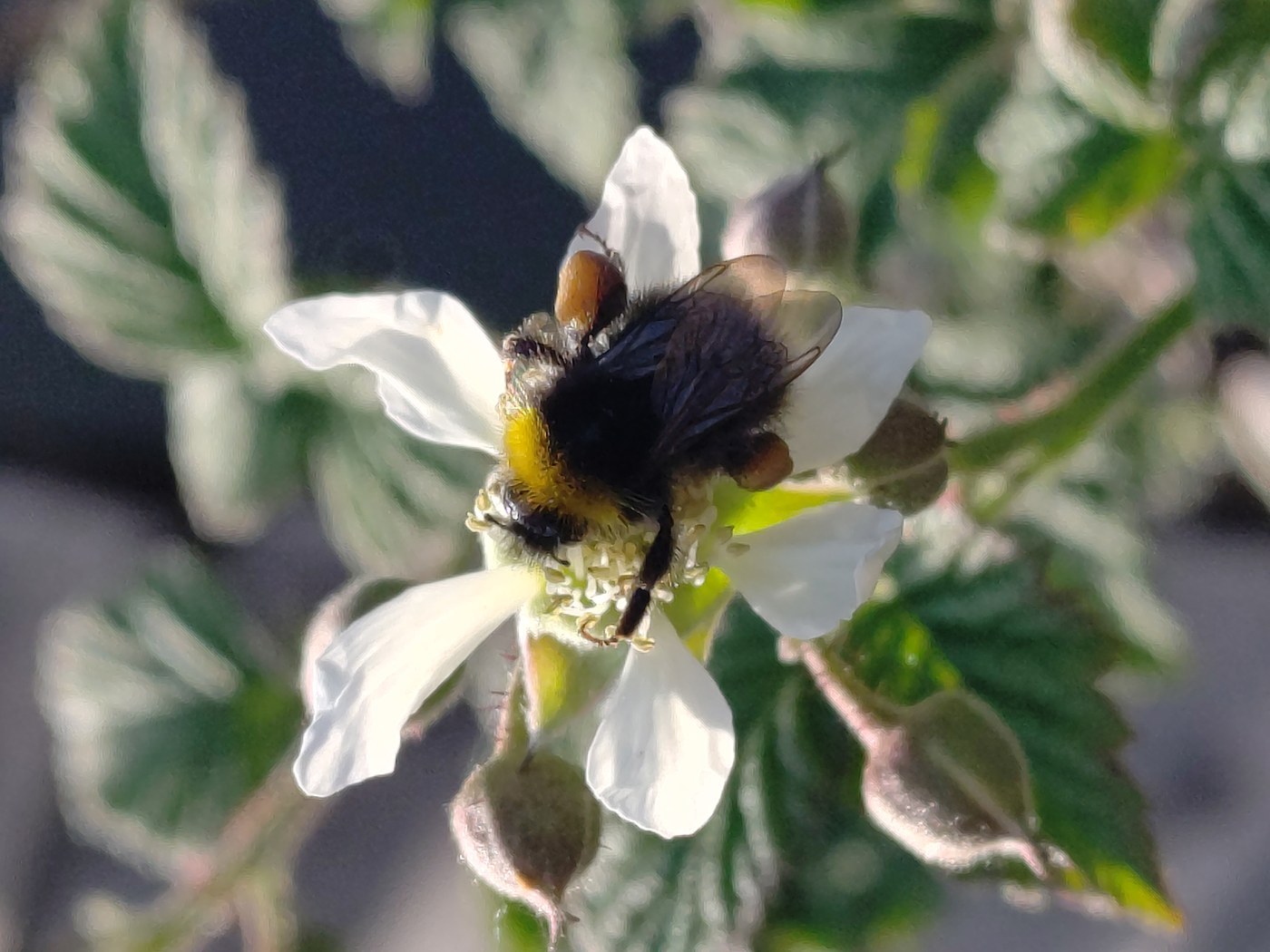
Loganberry (Rubus x loganobaccus) is a vigorous trailing cane plant, a hybrid between blackberry and raspberry, grown for its long, arching canes and ornamental value in the fruit garden. It is a moderate-difficulty grower that rewards steady care and good training with strong, healthy canes.
Light
Loganberry does best in full sun to partial shade, with full sun producing the most robust growth. Aim for at least six hours of direct sun daily. In very hot regions light afternoon shade can reduce heat stress, but too much shade leads to weak, spindly canes and poor vigor.
Water
Water regularly with deep weekly soakings, especially during the active growing season and dry spells. Loganberries have shallow, fibrous roots that dislike both drought and waterlogging, so aim for consistently moist but well-drained soil. A thick mulch layer conserves moisture and keeps the root zone cool. Reduce watering in the dormant season.
Soil & Potting
Plant in rich, well-draining soil high in organic matter, ideally slightly acidic to neutral. Work in generous compost before planting. Avoid heavy, poorly drained sites where the roots may rot. If growing in a container, choose a large pot with excellent drainage, though loganberries' size makes them better suited to open ground.
Humidity & Temperature
Loganberry is hardy in roughly USDA zones 5-9 and prefers a temperate climate with cool, moist conditions. It tolerates winter cold once established but appreciates protection in the harshest zones. Good air circulation around the canes helps prevent fungal problems in humid weather.
Feeding
Feed in early spring as growth resumes with a balanced fertilizer or a generous top-dressing of compost and well-rotted manure. A second lighter feeding during active growth supports the vigorous canes. Avoid excessive nitrogen late in the season, which encourages soft growth that struggles through winter.
Propagation
Propagate easily by tip layering: bend a flexible cane tip down to the soil in late summer, pin and bury it, and it will root to form a new plant that can be severed and moved the following spring. Division of the crown and hardwood cuttings also work. This natural rooting habit makes loganberries simple to increase.
Repotting / Pruning
Training and pruning are the keys to healthy loganberries. The plant produces canes that grow one year and flower the next, so separate the current-season canes from last year's canes on a sturdy trellis or wires. After the older canes finish, cut them to the ground and tie in the new canes for the next season. This annual renewal keeps the plant productive, tidy, and disease-free. Repot container plants only if truly necessary, as they resent disturbance.
Common Problems & Pests
Loganberries can suffer from fungal issues such as cane blight, rust, and botrytis, especially in wet, crowded conditions; good spacing, airflow, and prompt removal of affected canes help. Watch for aphids, spider mites, and cane borers. Yellowing leaves may indicate nutrient deficiency or waterlogged roots. Keeping the planting weed-free and well-mulched prevents many problems.
Seasonal Care Tips
In spring, feed, mulch, and tie in emerging canes as they grow. Through summer, water deeply and keep the vigorous new canes trained and separated from older growth. In late summer and fall, remove spent canes and tip-layer new plants. In winter, the plant is dormant; ensure canes are securely tied so wind and cold do not damage them, and apply a fresh mulch layer to protect the roots.
Frequently asked questions
How should I train loganberry canes?
Grow them on a sturdy trellis or wire system, keeping this year's new canes separate from last year's canes. This separation makes maintenance easier and improves airflow to reduce disease.
When do I prune loganberries?
After the older canes finish their second season, cut them to the ground and tie in the fresh new canes for next year. This annual renewal keeps the plant vigorous and tidy.
How often should I water a loganberry?
Give a deep weekly soaking during the growing season and dry spells. The shallow roots want consistent moisture but not waterlogging, so mulch well and ensure good drainage.
How do I propagate a loganberry?
The easiest method is tip layering: bend a cane tip down to the soil in late summer, pin and bury it, and it roots into a new plant you can move the following spring.