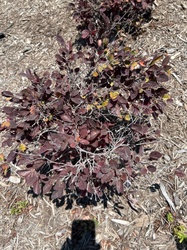
How to Care for Loropetalum
Grow Chinese fringe flower for burgundy foliage and fringed spring blooms. Easy sun-to-part-shade shrub for hedges and foundations.
Read the full Loropetalum encyclopedia entry →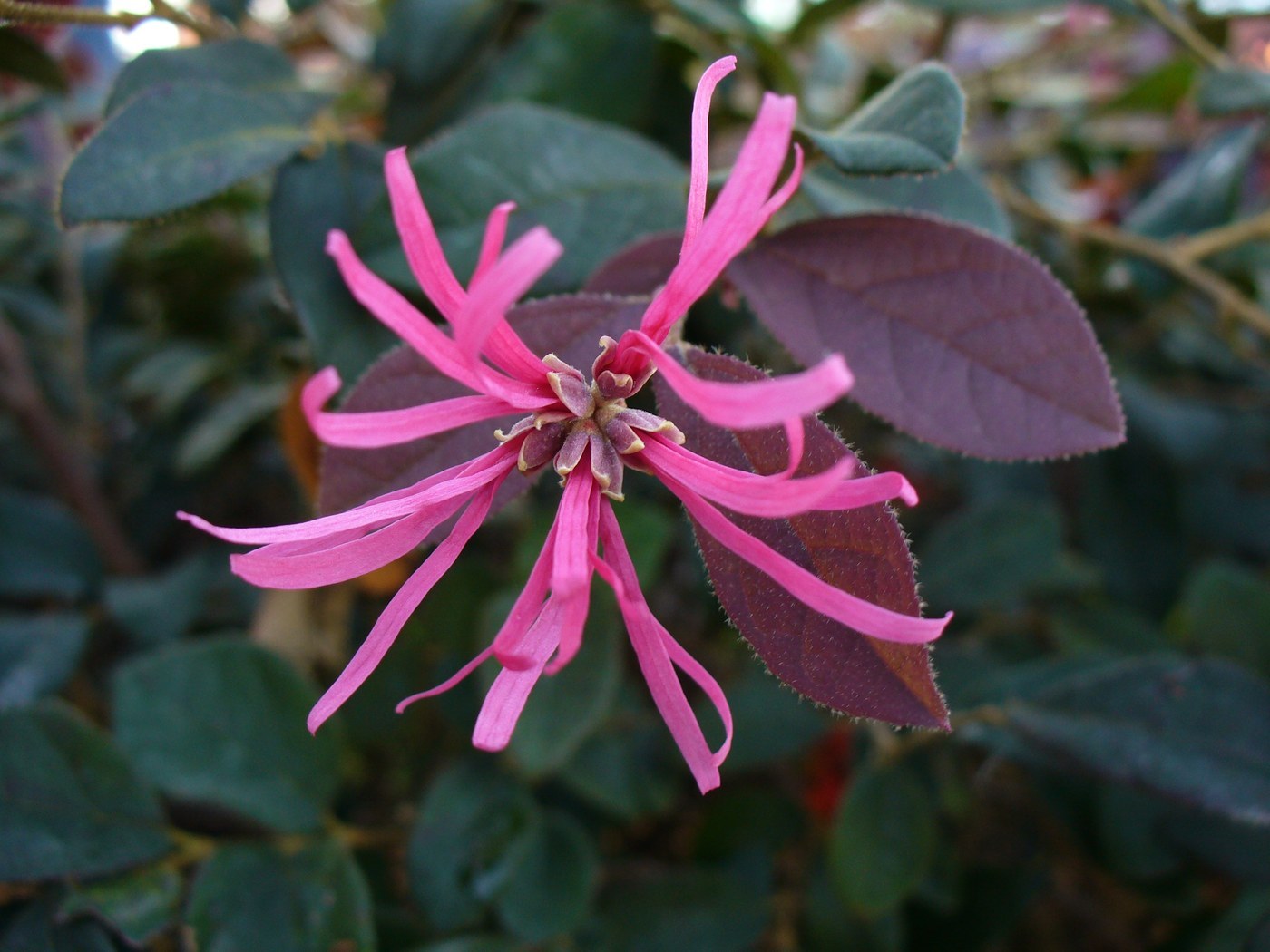
Loropetalum (Loropetalum chinense), also called Chinese fringe flower, is an evergreen shrub prized for its ribbon-like blooms in white to hot pink and, in the popular purple-leaf forms, richly colored foliage. It is an easy, adaptable shrub that rewards a sunny, well-drained spot with year-round structure and seasonal color.
Light
Give Loropetalum full sun to part shade. The colorful burgundy and plum-leaved cultivars develop their deepest tones in full sun, fading toward green in heavy shade, so aim for at least four to six hours of direct light for the best color. In hot, dry climates a little afternoon shade helps prevent leaf scorch and keeps foliage looking fresh.
Water
Water moderately and keep the soil evenly moist, especially while plants are young and establishing their root systems. Give a deep soak once or twice a week during the first two growing seasons, then taper off. Established plants are reasonably drought-tolerant but bloom and grow best with consistent moisture. Always let the surface dry slightly between waterings and avoid waterlogged soil.
Soil & Potting
Loropetalum thrives in rich, well-drained, slightly acidic soil. It prefers a pH in the 5.0 to 6.5 range, similar to azaleas and camellias, and colors and blooms best under those conditions. Amend heavy clay with compost and pine bark to improve drainage. For container culture, use a quality acidic potting mix and a pot with generous drainage holes.
Humidity & Temperature
This shrub is comfortable in average outdoor humidity and warm, temperate to subtropical climates, hardy roughly through USDA zones 7 to 10. It tolerates summer heat well when kept watered. In colder zones foliage may bronze or drop in hard freezes; a sheltered spot and a layer of mulch help protect the roots through winter.
Feeding
Feed in early spring with a slow-release fertilizer formulated for acid-loving plants, and repeat lightly after the main bloom flush. An azalea or camellia food supports both foliage color and flowering. Avoid heavy late-season feeding, which pushes tender growth vulnerable to cold. A topdressing of compost each spring also keeps the soil rich and lightly acidic.
Propagation
Propagate Loropetalum from semi-hardwood stem cuttings taken in summer. Take 4 to 6 inch tip cuttings, strip the lower leaves, dip in rooting hormone, and set in a moist, well-drained rooting mix. Keep humid and warm with bright indirect light; roots typically form in several weeks. Layering low branches into the soil is another reliable method.
Repotting / Pruning
Prune right after the main spring bloom, since flowers form on the previous season's wood. Shape lightly to maintain form, remove dead or crossing branches, and thin congested interiors for air flow. Loropetalum responds well to renewal pruning and can be kept compact or allowed to grow into a large informal shrub or small tree. Container specimens can be root-pruned and refreshed every couple of years.
Common Problems & Pests
Loropetalum is generally trouble-free. Chlorosis (yellowing leaves with green veins) signals soil that is too alkaline; correct with acidifying amendments. Occasional pests include aphids, mites, and scale, usually managed with a strong water spray or horticultural oil. Root rot occurs only in poorly drained or overwatered sites, so prioritize good drainage.
Seasonal Care Tips
Spring brings the heaviest bloom flush and is the time to prune and fertilize. Through summer, keep young plants watered and enjoy sporadic reblooming in many cultivars. In autumn, ease off feeding and let growth harden before cold weather. In winter, mulch the root zone in cooler zones and protect from drying winds; evergreen foliage often deepens to plum in the cold.
Frequently asked questions
Why is my purple Loropetalum turning green?
Insufficient light is the usual cause. The burgundy cultivars need full sun to hold their deep color, and they fade toward green in shade. Move or prune surrounding plants to give it more direct light.
When should I prune Loropetalum?
Prune just after the main spring bloom. Flowers form on old wood, so pruning immediately after flowering preserves next year's display while letting you shape the shrub.
How big does Loropetalum get?
It varies widely by cultivar, from compact dwarf forms under three feet to large types that reach ten to fifteen feet. Check the specific cultivar and prune to keep it at your desired size.
Why are the leaves yellowing with green veins?
That pattern is chlorosis from soil that is too alkaline. Loropetalum prefers acidic soil, so apply an acidifying fertilizer or amendment and mulch with pine bark to lower the pH.
Loropetalum identified by the community
Recent Loropetalum specimens identified with Plant Identifier.