
How to Care for Lungwort
Grow shade-loving Lungwort (Pulmonaria) with cool, moist soil and dappled shade for early spring blooms and silver-spotted foliage.
Read the full Lungwort encyclopedia entry →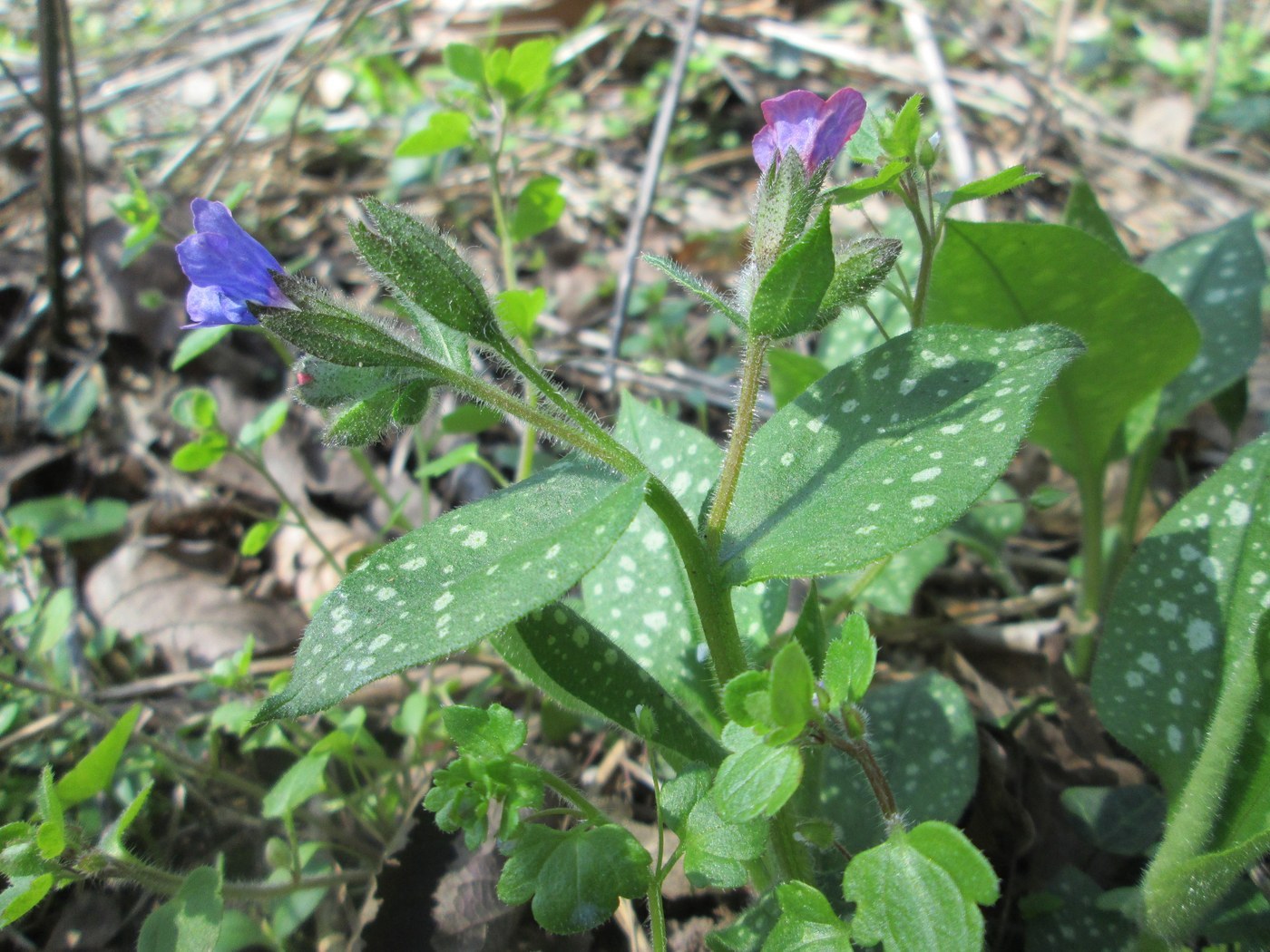
Lungwort (Pulmonaria officinalis) is a low, clump-forming shade perennial grown for its attractive silver-spotted leaves and clusters of early-spring flowers that often shift from pink to blue as they age. It is an easy, reliable groundcover for woodland gardens and shady borders where little else thrives.
Light
Lungwort prefers part to full shade and is one of the best perennials for dim, tree-shaded spots. Morning sun with afternoon shade is well tolerated, but hot midday sun scorches the leaves and causes wilting. Dappled woodland light produces the best foliage color and keeps the plant lush.
Water
Provide regular water to keep the soil evenly moist; lungwort dislikes drying out and will wilt dramatically in dry spells. Consistent moisture is key to healthy foliage and to preventing powdery mildew stress. In hot weather or dry shade under trees, water more attentively. Avoid waterlogging, but err toward keeping the root zone cool and moist.
Soil & Potting
Grow lungwort in rich, humus-heavy, moisture-retentive but well-drained soil. Amend with plenty of leaf mold or compost to mimic its natural woodland floor. It appreciates a soil that stays cool and damp. In containers, use a moisture-retentive mix and keep the pot in shade so it does not dry out.
Humidity & Temperature
Lungwort favors cool, moist conditions and average to high humidity. It is a cold-hardy perennial that tolerates hard winters well. It struggles in hot, dry, stagnant air, which invites powdery mildew, so ensure some air movement while keeping the roots cool. Mulching helps buffer soil temperature and moisture.
Feeding
Lungwort is not a heavy feeder. An annual spring topdressing of compost or leaf mold usually supplies enough nutrients. If growth is weak, apply a light dose of balanced slow-release fertilizer in spring. Rich, organic soil generally makes supplemental feeding unnecessary.
Propagation
The easiest method is division, done in early spring or in autumn after flowering. Lift the clump and separate it into sections, each with roots and growth points, then replant promptly and water well. Lungwort can also be grown from root cuttings in autumn or from seed, though named forms are best divided to preserve their foliage patterns.
Repotting / Pruning
Divide congested clumps every three to four years to keep them vigorous. After flowering, cut back tired or mildewed foliage to encourage a fresh flush of clean new leaves. Remove any tattered or scorched leaves through the season. Container-grown plants can be refreshed and divided in spring.
Common Problems & Pests
Powdery mildew is the most common issue, especially when plants dry out or lack airflow; keep the soil moist, thin crowded clumps, and cut back affected foliage. Slugs and snails may nibble young leaves. Leaf scorch results from too much sun or dry soil. Otherwise lungwort is a robust, largely trouble-free plant.
Seasonal Care Tips
Lungwort is one of the earliest perennials to bloom, flowering in late winter to early spring. After flowering, shear back the old foliage to promote fresh leaves that look good all season. Apply a compost or leaf-mold mulch in spring to conserve moisture and feed the plant. Keep it well watered through summer heat to prevent mildew and scorch.
Frequently asked questions
Why are my lungwort leaves getting a white, powdery coating?
That is powdery mildew, usually triggered when the plant dries out or lacks air circulation. Keep the soil consistently moist, thin out crowded clumps, and cut back affected foliage to encourage clean new growth.
Can lungwort grow in full sun?
No, it prefers part to full shade. Hot direct sun scorches the leaves and causes wilting. Give it dappled woodland light or morning sun with afternoon shade for the healthiest foliage.
Should I cut back lungwort after flowering?
Yes. Shearing back the old, tired, or mildewed foliage after the spring flowers fade encourages a fresh flush of clean, attractive leaves that look good for the rest of the season.
How often should I divide lungwort?
Divide congested clumps every three to four years in early spring or after flowering. Division keeps plants vigorous and is the best way to propagate named forms while preserving their silver leaf patterns.