
How to Care for Marsh Marigold
Marsh marigold is a moisture-loving perennial with glossy leaves and bright golden spring flowers, perfect for pond edges and boggy soil.
Read the full Marsh Marigold encyclopedia entry →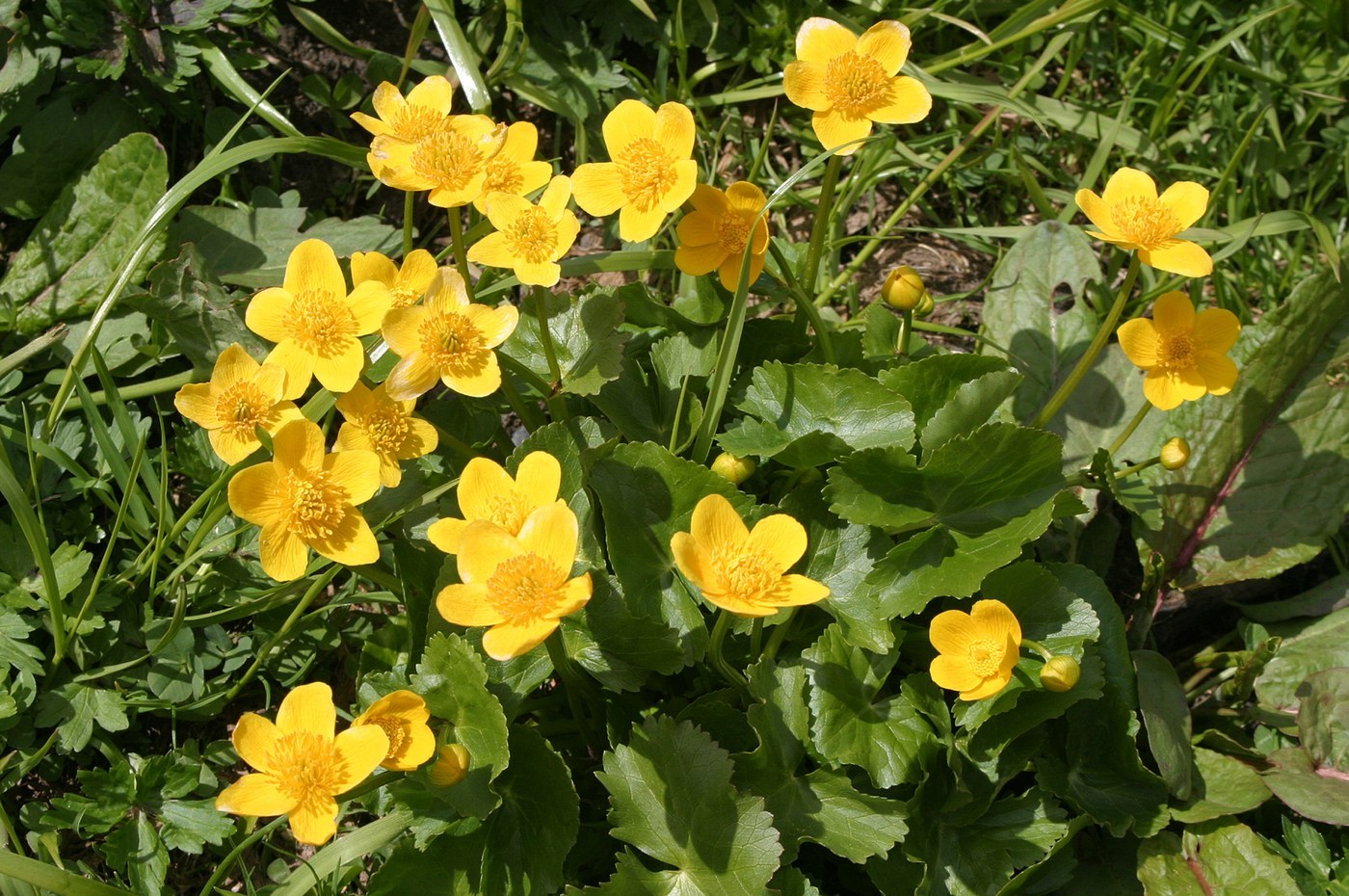
Marsh marigold (Caltha palustris) is a cheerful, moisture-loving perennial that lights up the early spring garden with clusters of glossy, buttercup-yellow flowers above rounded, kidney-shaped leaves. It is a natural for pond margins, stream banks, bog gardens, and any consistently wet spot where most plants would struggle.
Light
Grow marsh marigold in full sun to part shade. It flowers most freely in full sun where the soil stays reliably wet, while dappled or part shade suits it well in warmer areas and helps prevent the soil from drying. Deep shade reduces flowering.
Water
This plant demands high moisture and thrives in wet or boggy soil; it will even grow in shallow standing water at a pond's edge. Never let it dry out, especially during active growth and bloom. In a normal border it needs constant attention to watering, so it is far happier at the water's edge or in soil that stays saturated. Drying out is the fastest route to a stressed, dormant, or dead plant.
Soil & Potting
Use rich, heavy, moisture-retentive soil high in organic matter; it tolerates the kind of wet, mucky ground that many plants dislike. In containers or pond baskets, use a heavy loam-based mix and stand the pot in a saucer of water or submerge the rim at the pond margin to keep it constantly wet.
Humidity & Temperature
Marsh marigold is cold hardy and thrives in cool, damp temperate conditions. It emerges and blooms early, tolerating chilly spring weather with ease. Cool, moist air around water features suits it perfectly. It naturally goes dormant and may die back in the heat of high summer, particularly if the soil dries.
Feeding
In rich, organic wet soil it rarely needs feeding. If growth is weak, a light application of a balanced fertilizer or a top-dressing of compost in early spring supports vigorous foliage and bloom. Avoid overfeeding, especially near ponds where nutrient runoff is a concern.
Propagation
Divide established clumps in early spring or right after flowering, keeping the divisions moist at all times. It can also be grown from fresh seed sown promptly, ideally in moist conditions with a cold period. Division is the quickest and most reliable method.
Repotting / Pruning
Minimal pruning is needed. Remove spent flowers and tidy up yellowing leaves as the plant goes dormant in summer. Divide congested clumps every few years to maintain vigor. When potting or repotting for a pond, always work with wet soil and reposition the plant back into its wet or submerged spot promptly.
Common Problems & Pests
Marsh marigold is largely trouble-free when its moisture needs are met. Powdery mildew and rust can appear, particularly if the soil dries and the plant becomes stressed in summer. Its main failing is drying out, which causes early dormancy or death. Keep it wet and it stays remarkably healthy, with few pest problems.
Seasonal Care Tips
Plant or divide in early spring or just after the flowers fade. Keep the soil saturated year-round, paying special attention in summer when the plant may naturally die back; do not assume it has died, as it often returns the following spring. Site it at a pond edge or in a bog garden for the easiest care. Enjoy the bright early-spring display as one of the first perennials of the season.
Frequently asked questions
Can marsh marigold grow in standing water?
Yes. It thrives in wet, boggy soil and will happily grow in shallow standing water at a pond's edge. It is one of the best choices for pond margins, bog gardens, and any spot that stays consistently saturated.
Why did my marsh marigold die back in summer?
This is normal. Marsh marigold naturally goes dormant in the heat of summer, especially if the soil dries out, and its foliage yellows and fades. Keep the soil wet and the plant usually returns and reblooms the following spring.
How much sun does marsh marigold need?
It grows in full sun to part shade. It flowers most freely in full sun where the soil stays wet, but part shade is helpful in warmer regions to keep the roots cool and moist. Deep shade reduces flowering.
Does marsh marigold need a pond to grow?
Not strictly, but it is far easier at a water's edge or in a bog garden. In an ordinary border it needs constant watering and must never dry out, so a naturally wet site or pond margin greatly simplifies its care.