How to Care for Medallion Calathea
Grow a lush Medallion Calathea with steady humidity, filtered light, and evenly moist soil for its dramatic rounded, banded foliage.
Read the full Medallion Calathea encyclopedia entry →
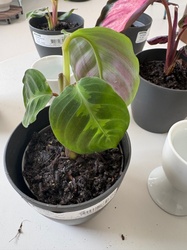
The Medallion Calathea (Goeppertia roseopicta) is prized for its large, rounded leaves marked with feathery pink-to-cream banding and deep burgundy undersides. It is a rewarding but demanding tropical that punishes neglect, so consistency is the key to keeping those medallion leaves flawless.
Light
Give it bright, indirect light all day. An east-facing window or a spot a few feet back from a brighter window is ideal. Direct sun scorches the delicate leaves and washes out the pink markings, while deep shade dulls the color and slows the nightly leaf movement (the plant raises and lowers its leaves as light changes). Rotate the pot every week or two for even growth.
Water
Keep the soil evenly moist but never waterlogged. Water as soon as the top half-inch begins to dry, using room-temperature water. This species is notoriously sensitive to minerals and chlorine, which cause brown leaf edges, so use rainwater, distilled, or filtered water, or let tap water sit out overnight. Empty the saucer promptly and never let roots sit in standing water.
Soil & Potting
Use a light, moisture-retentive but well-aerated mix: a peat- or coir-based potting soil amended with perlite and a little orchid bark works well. The mix should hold moisture without staying soggy. Always plant in a container with drainage holes.
Humidity & Temperature
High humidity is essential, ideally 60 percent or more. Dry indoor air causes crispy edges and curling. Run a humidifier, group it with other plants, or set it on a pebble tray. Keep temperatures between 65 and 80 F (18-27 C) and shield it from cold drafts, heating vents, and air conditioning, all of which stress the foliage.
Feeding
Feed monthly during spring and summer with a balanced houseplant fertilizer diluted to half strength. This plant is sensitive to salt buildup, so flush the soil with plain water every couple of months and stop feeding in fall and winter when growth slows.
Propagation
Propagate by division at repotting time. Gently separate the plant into clumps, each with its own roots and several leaves, and pot them individually. Keep divisions warm, humid, and lightly moist while they re-establish. Stem cuttings do not root, as this is a clumping rhizomatous plant.
Repotting / Pruning
Repot every one to two years in spring, moving up just one pot size. It prefers to be slightly snug. Trim off any fully browned or damaged leaves at the base with clean scissors to keep the plant tidy and direct energy to healthy growth.
Common Problems & Pests
Crispy brown edges signal low humidity or mineral-heavy water. Curling or drooping leaves usually mean the soil went too dry. Yellowing often points to overwatering. Watch for spider mites, which thrive in dry air, as well as occasional thrips or fungus gnats; wipe leaves and treat promptly with insecticidal soap.
Seasonal Care Tips
Growth is most active in spring and summer, when watering, humidity, and feeding matter most. In winter, reduce feeding and water slightly less, but keep humidity high since indoor heating dries the air. Guard against cold windowsills during the coldest months.
Frequently asked questions
Why are the leaf edges turning brown and crispy?
This is almost always low humidity or minerals in tap water. Raise humidity above 60 percent and switch to filtered, distilled, or rainwater.
Why do the leaves curl up?
Curling usually means the soil got too dry or the air is too dry. Keep the mix evenly moist and boost humidity to relax the leaves.
How much light does a Medallion Calathea need?
Bright, indirect light. Avoid direct sun, which scorches the leaves and fades the pink banding, and avoid deep shade, which dulls the color.
Why does it move its leaves at night?
This is natural. The plant raises and lowers its leaves in response to light through a joint at the leaf base, a harmless daily rhythm.
Medallion Calathea identified by the community
Recent Medallion Calathea specimens identified with Plant Identifier.