
How to Care for Melampodium
Grow cheerful, self-cleaning Melampodium with full sun, lean soil, and minimal fuss for months of golden daisy blooms.
Read the full Melampodium encyclopedia entry →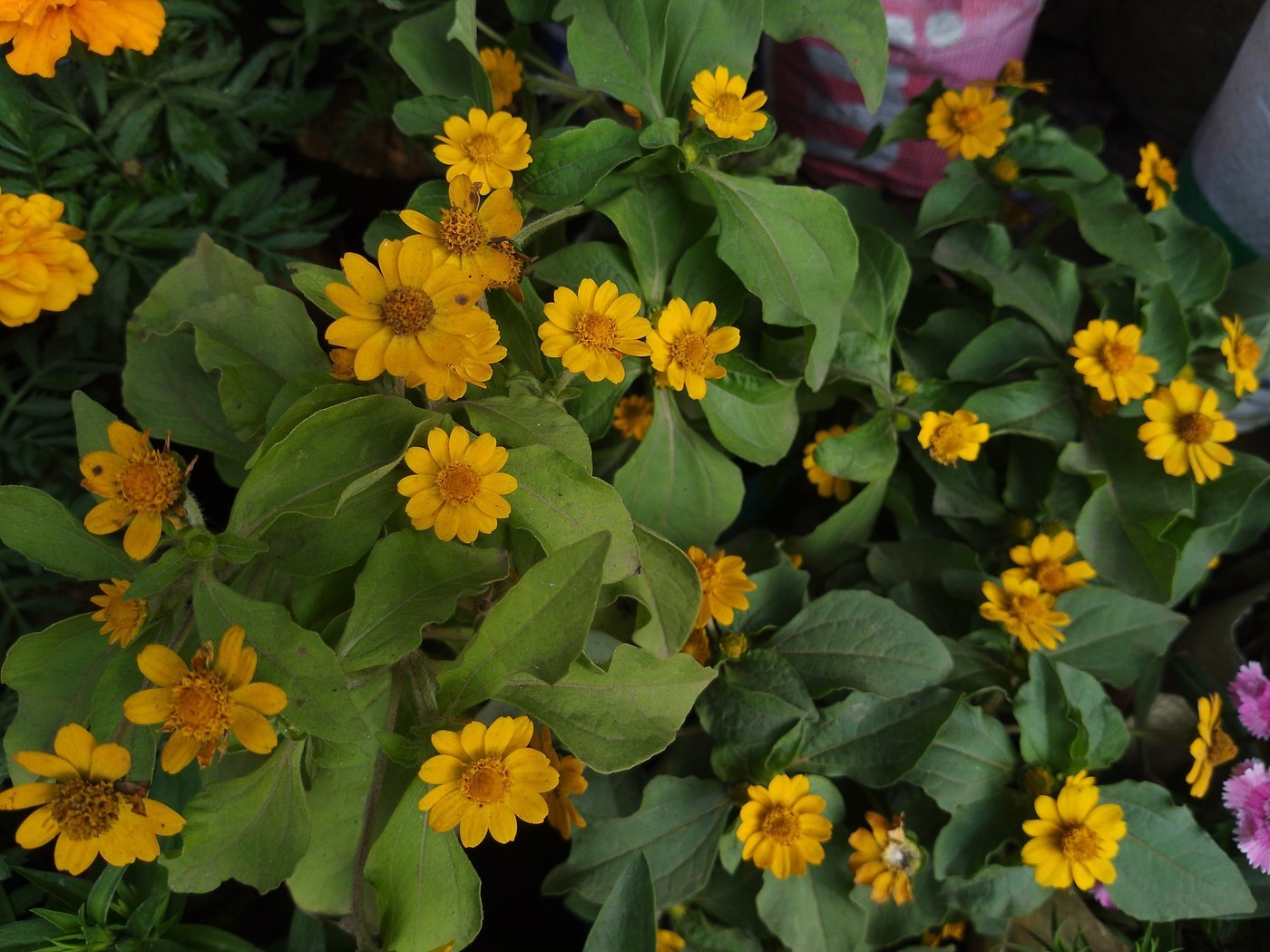
Melampodium (often sold as 'Million Gold' or 'Showstar') is a fast, mounding annual that covers itself in small golden-yellow daisies from early summer to frost. It is one of the easiest heat-loving flowers to grow, thriving on neglect once established.
Light
Give Melampodium full sun, at least six to eight hours of direct light daily. It flowers most heavily in the brightest spot you can offer and stays compact and dense there. In too much shade the plant stretches, flops, and blooms sparsely.
Water
Water needs are low to moderate; Melampodium is genuinely drought tolerant once its roots are established. Water new transplants regularly for the first two to three weeks, then let the top inch or two of soil dry between waterings. In containers it will need more frequent watering during hot spells, but avoid keeping the soil constantly soggy.
Soil & Potting
Melampodium prefers a light, well-drained, even lean soil. Rich, overly fertile ground produces lots of foliage at the expense of flowers. In beds, ordinary garden soil amended for good drainage is plenty. For pots, use a standard well-draining potting mix and make sure containers have generous drainage holes.
Humidity & Temperature
This is a warm-season plant that revels in heat and humidity. Plant out only after the soil has warmed and all danger of frost has passed. It performs beautifully through the hottest, muggiest part of summer and declines quickly once cold weather and frost arrive, completing its life as an annual.
Feeding
Feed lightly, if at all. A single application of a balanced slow-release fertilizer at planting is usually enough for the season. Heavy feeding, especially high-nitrogen fertilizer, encourages leafy growth and fewer blooms. Container plants benefit from a diluted balanced liquid feed every three to four weeks.
Propagation
Melampodium is grown from seed and readily self-sows in the garden, often returning as volunteers the following year. Sow seed indoors a few weeks before the last frost or direct-sow into warm soil. Press seed lightly into the surface and keep evenly moist until germination, then thin seedlings to give each plant room to mound.
Repotting / Pruning
As an annual it rarely needs repotting within a season; just start plants in appropriately sized containers. Melampodium is essentially self-cleaning, dropping spent blooms on its own, so deadheading is optional. If a plant becomes leggy midseason, a light shearing rejuvenates it and triggers a fresh flush of flowers.
Common Problems & Pests
Melampodium is remarkably trouble-free. Overwatering or poor drainage can cause root rot and yellowing lower leaves, so err on the dry side. Occasional aphids may gather on new growth and can be knocked off with a spray of water or treated with insecticidal soap. Powdery mildew may appear in crowded, humid, low-airflow plantings, so space plants for good air movement.
Seasonal Care Tips
Set plants out in late spring once nights are reliably warm. Through summer they need little beyond occasional water and good sun. Let a few flowers go to seed late in the season if you want volunteers next year. Pull spent plants after the first hard frost.
Frequently asked questions
Why is my Melampodium not blooming well?
The most common causes are too little sun or too much fertilizer. Move it to a full-sun spot and cut back on feeding; lean conditions and bright light produce the most flowers.
Does Melampodium need deadheading?
No. It is self-cleaning and drops spent blooms on its own. You can shear a leggy plant lightly midseason to encourage a fresh flush, but routine deadheading is not necessary.
Will Melampodium come back next year?
It is an annual and will not survive frost, but it self-sows freely. If you leave some flowers to set seed, volunteer seedlings often appear in the same bed the following spring.
How much water does Melampodium need?
Very little once established. Water new plants for the first couple of weeks, then let the top inch or two of soil dry between waterings. It is drought tolerant and dislikes soggy soil.