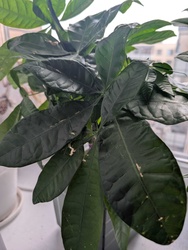
How to Care for Money Tree
The Money Tree is an easy houseplant for bright indirect light; water when the top inch dries and it forgives beginners with its glossy braided form.
Read the full Money Tree encyclopedia entry →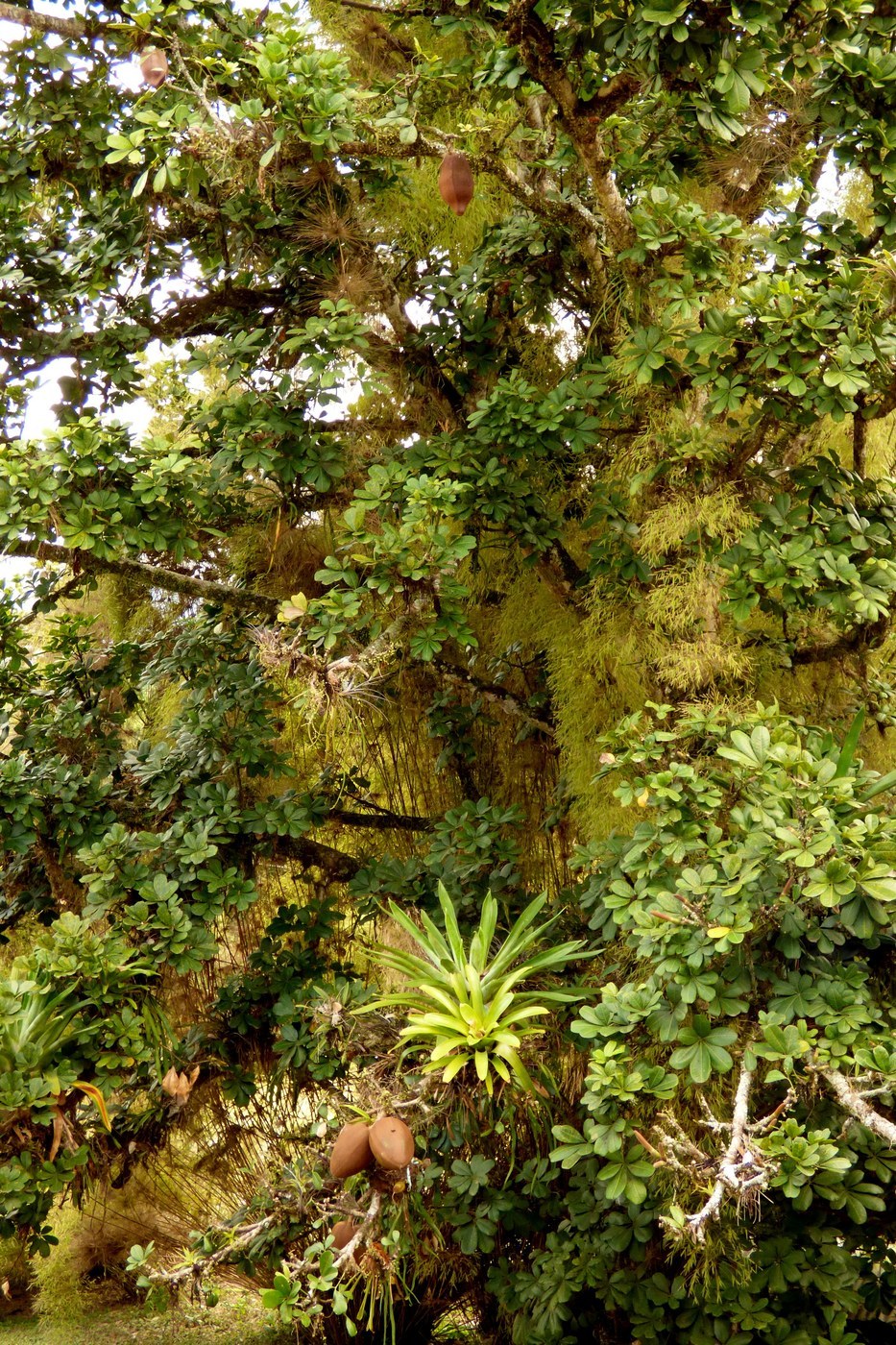
The Money Tree (Pachira aquatica) is a popular, easy-care houseplant recognized for its glossy palmate leaves and often braided trunk. It is forgiving and adaptable, making it an excellent choice for beginners who provide bright indirect light and avoid overwatering.
Light
Bright indirect light is ideal. Place it near a window with plenty of ambient light but out of harsh, direct midday sun, which can scorch the leaves. It tolerates moderate light but grows leggy and pale in dim conditions. Rotate the plant occasionally so it grows evenly toward the light.
Water
Water when the top inch of soil dries out. The money tree dislikes both extremes: constantly soggy soil causes root rot, the single most common cause of decline, while prolonged drought leads to leaf drop. Water thoroughly until it drains from the bottom, then let the top inch dry before watering again. Reduce watering in winter when growth slows. Always empty the drainage saucer so the pot never sits in water.
Soil & Potting
Use a well-draining, peat-based potting mix, ideally lightened with perlite or sand to prevent waterlogging. A container with drainage holes is essential. Despite the species name meaning "aquatic," indoor specimens are prone to rot if kept too wet, so prioritize drainage.
Humidity & Temperature
The money tree prefers warm, humid conditions reflecting its tropical origins. Average household temperatures suit it well; keep it away from cold drafts, heating vents, and temperatures below the mid-50s Fahrenheit. It appreciates moderate to high humidity; mist occasionally, group with other plants, or use a pebble tray if indoor air is dry, which can otherwise cause leaf-tip browning.
Feeding
Feed lightly during the growing season, spring through summer, with a balanced liquid houseplant fertilizer diluted to half strength about once a month. Do not feed in fall and winter when growth is slow. Over-fertilizing can cause salt buildup and leaf burn, so err on the side of less.
Propagation
Propagate from stem cuttings taken in spring or summer. Take a cutting with a few leaf nodes, let the cut end callus briefly, then root it in water or moist, well-draining soil in a warm, bright spot. Rooting can take several weeks. Air layering is another option for larger stems.
Repotting / Pruning
Repot every two to three years, or when roots fill the pot, moving up one pot size in spring. Money trees actually flower and fruit rarely indoors, and being slightly root-bound is fine. Prune to shape and control size any time growth is active; trim leggy stems above a node to encourage bushier growth. Braided specimens can be maintained by gently guiding new growth. Wipe the glossy leaves periodically to remove dust and keep them photosynthesizing efficiently.
Common Problems & Pests
Root rot from overwatering is the leading problem, showing as yellowing leaves and a soft trunk; correct by reducing water and improving drainage. Leaf drop can result from over- or under-watering or sudden environmental change. Brown leaf tips suggest low humidity or salt buildup. Common houseplant pests include spider mites, scale, and mealybugs; treat with insecticidal soap or by wiping the leaves. Yellow lower leaves are often normal aging.
Seasonal Care Tips
In spring and summer, water regularly as the top inch dries, feed monthly, and repot or propagate as needed. In fall, reduce feeding and watering as growth slows. In winter, water sparingly, stop fertilizing, keep the plant warm and away from cold drafts and dry heating vents, and provide the brightest light available during shorter days.
Frequently asked questions
How often should I water a money tree?
Water when the top inch of soil feels dry, then water thoroughly until it drains from the bottom. This is often roughly every one to two weeks, less in winter. Avoid letting the pot sit in standing water, which causes root rot.
Why are my money tree's leaves turning yellow?
Yellowing leaves most often signal overwatering and the onset of root rot. Let the soil dry more between waterings, ensure the pot drains freely, and check that the roots are firm and white rather than soft and brown.
Does a money tree need direct sunlight?
No. It prefers bright indirect light. Direct midday sun can scorch its leaves, while too little light makes it leggy and pale. A spot near a bright window with filtered light is ideal.
How do I keep my money tree bushy?
Give it bright indirect light, rotate it regularly for even growth, and prune leggy stems above a leaf node to encourage branching. Wiping the leaves and avoiding overwatering also keep it full and healthy.
Money Tree identified by the community
Recent Money Tree specimens identified with Plant Identifier.