
How to Care for Moss Rose
Moss rose is a heat-loving succulent annual with fleshy needle-like leaves and vivid, ruffled blooms that flourish in hot sun and poor, dry soil.
Read the full Moss Rose encyclopedia entry →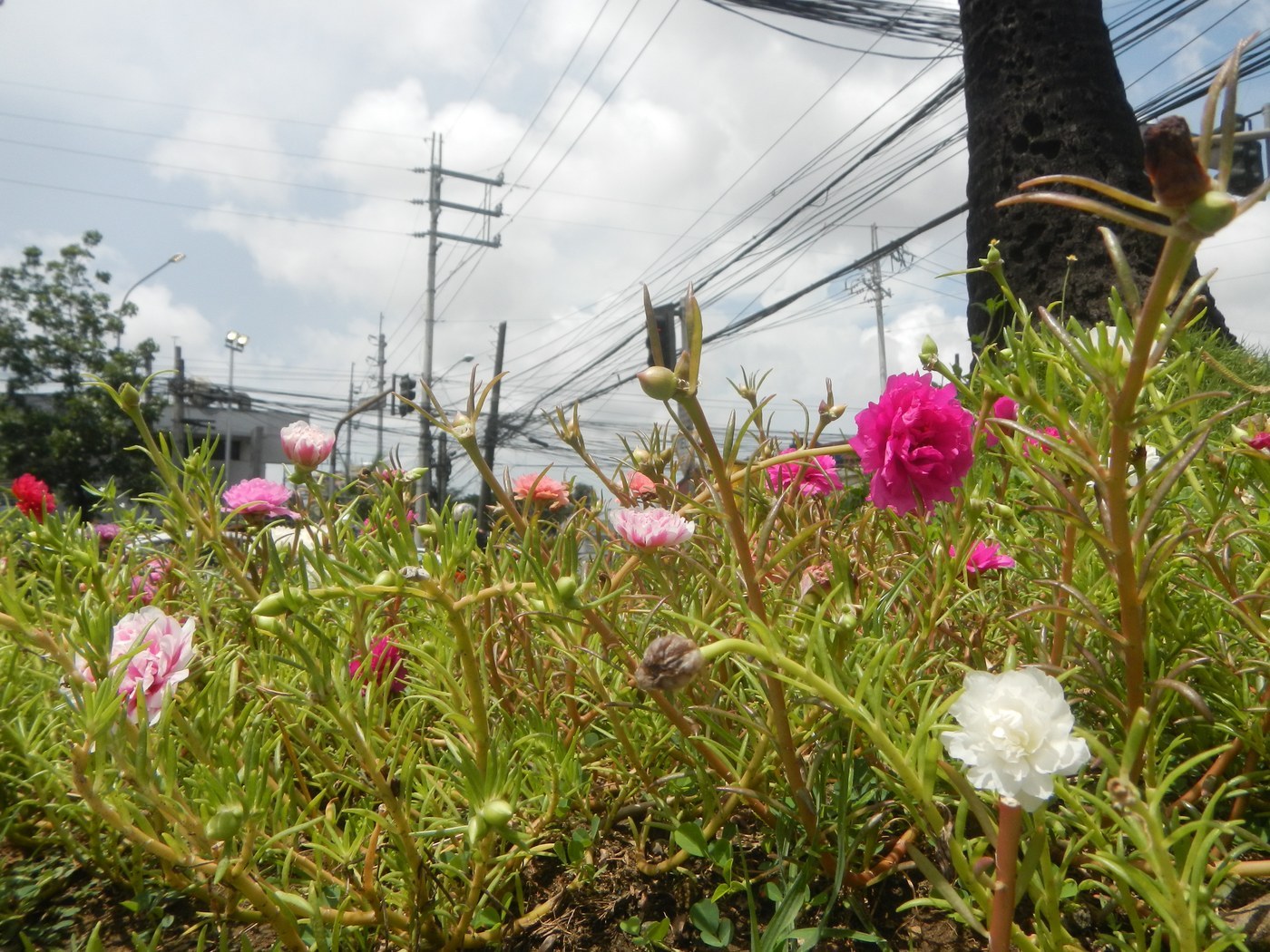
Portulaca grandiflora, commonly called moss rose, is a low, spreading succulent annual grown for its brilliant, ruffled, rose-like flowers in shades of pink, red, orange, yellow, and white above fleshy, cylindrical, needle-like leaves. Built for heat and drought, it is one of the easiest and most rewarding plants for baking sunny spots, containers, and rock gardens.
Light
Moss rose demands full sun, the more the better. It needs at least six to eight hours of direct sunlight to open its flowers, which typically close in shade and on overcast days. In too little light the plant becomes leggy and blooms sparsely. Give it your hottest, brightest position.
Water
Water is low; moss rose is highly drought-tolerant and stores moisture in its succulent leaves and stems. Let the soil dry out between waterings and water only sparingly. Overwatering is the fastest way to kill it, causing stems to rot. In containers, water when the mix is dry, and always ensure excess drains away freely.
Soil & Potting
Sharp drainage is essential. Moss rose thrives in poor, sandy, gritty soils and actively dislikes rich, moisture-retentive ground. For containers, use a cactus or succulent mix, or amend regular potting soil with plenty of sand or perlite. It excels in dry, lean conditions where other bedding plants fail.
Humidity & Temperature
Moss rose is a heat lover that thrives in hot, dry summer conditions and tolerates reflected heat from paving and walls. It has no frost tolerance and is grown as a warm-season annual, quickly succumbing to cold. It prefers low humidity and warm nights; cool, damp weather encourages rot and poor flowering.
Feeding
Little to no feeding is needed and lean soil actually promotes better flowering. Heavy feeding produces lush foliage at the expense of blooms. If desired, apply a light, dilute balanced fertilizer once or twice during the growing season for container plants, but avoid overdoing it.
Propagation
Moss rose is easily propagated from seed or stem cuttings. Sow the tiny seeds on the surface of warm, well-drained soil after frost danger passes; they need light and warmth to germinate. Stem cuttings root readily when the succulent pieces are allowed to callus briefly and inserted into gritty mix. Plants also self-sow freely in favorable spots.
Repotting / Pruning
As a fast-growing annual, moss rose rarely needs repotting within a season. Pinch back stem tips early to encourage branching and a fuller, more floriferous plant. Trim back any leggy or straggly growth to keep it compact. Removing spent flowers is optional but keeps displays tidy.
Common Problems & Pests
Moss rose is remarkably problem-free when grown dry and sunny. Its chief enemy is overwatering combined with poor drainage, which leads to stem and root rot. In cool, wet, or shady conditions it fails to flower and may collapse. Aphids can occasionally appear on new growth, and slugs or snails may nibble seedlings in damp conditions. Fungal issues arise almost exclusively from excess moisture.
Seasonal Care Tips
Sow or plant out after all danger of frost has passed. Through the hot summer months it flowers prolifically with minimal water and full sun. Pinch early for bushiness and let it trail over container edges or bake in rockeries. As temperatures cool in autumn, flowering fades and the annual plants decline; collect self-sown seedlings or saved seed for next year.
Frequently asked questions
Why won't my moss rose flowers open?
Moss rose flowers open only in bright, direct sun and close in shade or on cloudy days. If blooms stay shut, the plant likely isn't getting enough light. Move it to your hottest, sunniest spot with at least six to eight hours of direct sun.
How often should I water moss rose?
Sparingly. It is a succulent that stores water in its fleshy leaves and stems, so let the soil dry out fully between waterings. Overwatering causes stem and root rot and is the most common way moss rose is lost.
What soil is best for moss rose?
Poor, sandy, sharply drained soil. Use a cactus or succulent mix, or amend regular potting soil with sand or perlite. It thrives in lean, dry conditions and dislikes rich, moisture-holding ground.
Can I grow moss rose in containers?
Yes, it is excellent in pots, window boxes, and hanging baskets. Use a gritty, free-draining mix, place it in full sun, water only when dry, and feed lightly if at all. Its trailing habit spills attractively over container edges.