
Moss Rose Identification Guide
Identify Moss Rose by its succulent needle-like leaves, sprawling reddish stems, and bright rose-like flowers that close at night.
Read the full Moss Rose encyclopedia entry →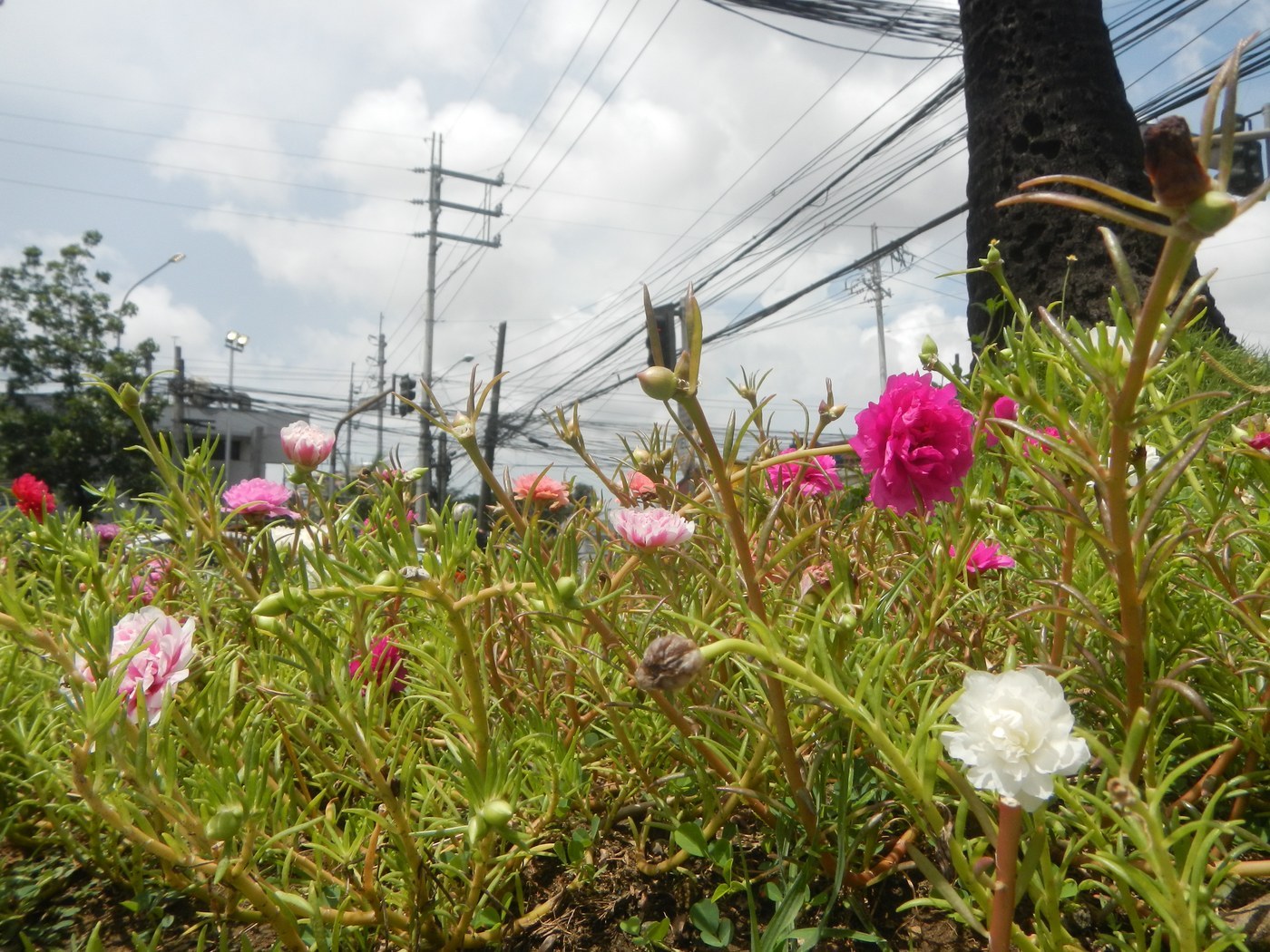
Key Identifying Features
Moss Rose (Portulaca grandiflora) is a low, mat-forming succulent annual prized for thriving in hot, dry, poor soil. The standout clues are its fleshy, cylindrical needle-like leaves and vivid satiny flowers that open in sun and close in shade or at night.
- Sprawling, ground-hugging habit, usually 3-9 in (8-23 cm) tall
- Succulent stems and leaves that store water
- Flowers 1-2 in (2.5-5 cm) wide, single or double, resembling tiny roses
- Brilliant colors: magenta, red, orange, yellow, pink, white
- Flowers close on cloudy days and in the evening
Leaves & Stems
Leaves are the best identifier: thick, rounded, cylindrical and needle- or sausage-shaped, about 1 in (2.5 cm) long, bright green and very juicy when crushed. They alternate or cluster along reddish, fleshy trailing stems that branch freely and root where they contact soil. Small tufts of whitish hairs often appear at the leaf bases and flower bases.
Flowers & Fruit
Flowers sit at the stem tips, opening flat in full sun to reveal a satiny sheen and a center of numerous yellow stamens. Single forms have five petals; popular doubles look ruffled and rose-like. After bloom, a small capsule forms that splits around its middle (a circumscissile lid) to release many tiny dark seeds, which self-sow readily.
How to Tell It Apart from Look-Alikes
- Purslane (Portulaca oleracea): a close relative with flat, paddle-shaped fleshy leaves and small yellow flowers — leaf shape separates it instantly from moss rose's needle leaves.
- Ice plant (Delosperma): also succulent with bright daisy-like flowers, but leaves are flatter and flowers have many thin strap petals, not broad rose-like petals.
- Ornamental purslane (Portulaca umbraticola): very similar but has flat fleshy leaves, whereas true moss rose leaves are clearly cylindrical.
The pairing of needle-shaped succulent leaves + rose-like sun-following flowers is diagnostic.
Where You'll Find It
Moss rose is a favorite for rock gardens, hot dry borders, containers, hanging baskets, and pavement edges. It loves full, baking sun and sandy, fast-draining soil, and often naturalizes by self-seeding in gravel and cracks where little else grows.
Quick ID Checklist
- Low sprawling succulent mat
- Fleshy cylindrical needle-like leaves
- Reddish juicy trailing stems
- Bright satiny rose-like flowers with yellow stamen centers
- Flowers close at night and on cloudy days
- Thrives in hot, dry, poor soil
Frequently asked questions
Why do my moss rose flowers close in the afternoon?
Moss rose flowers are sun-responsive — they open in bright direct sunlight and close in shade, on cloudy days, and at night. This daily rhythm is a classic ID trait.
How do I tell moss rose from common purslane?
Look at the leaves. Moss rose has thick, rounded, needle-like cylindrical leaves, while purslane has flat, paddle-shaped fleshy leaves. Both are Portulaca but the leaf shape is the key difference.
Is moss rose a true rose?
No. The name refers only to its rose-like flowers. It is a succulent in the purslane family (Portulacaceae), completely unrelated to true roses.
Will moss rose come back every year?
It is grown as an annual, but it self-seeds prolifically. Volunteer seedlings often reappear in the same spot the following year, especially in warm climates.