
How to Care for Mugo Pine
Grow Mugo Pine, a tough, compact evergreen conifer that thrives in full sun and poor, well-drained soil with almost no fuss.
Read the full Mugo Pine encyclopedia entry →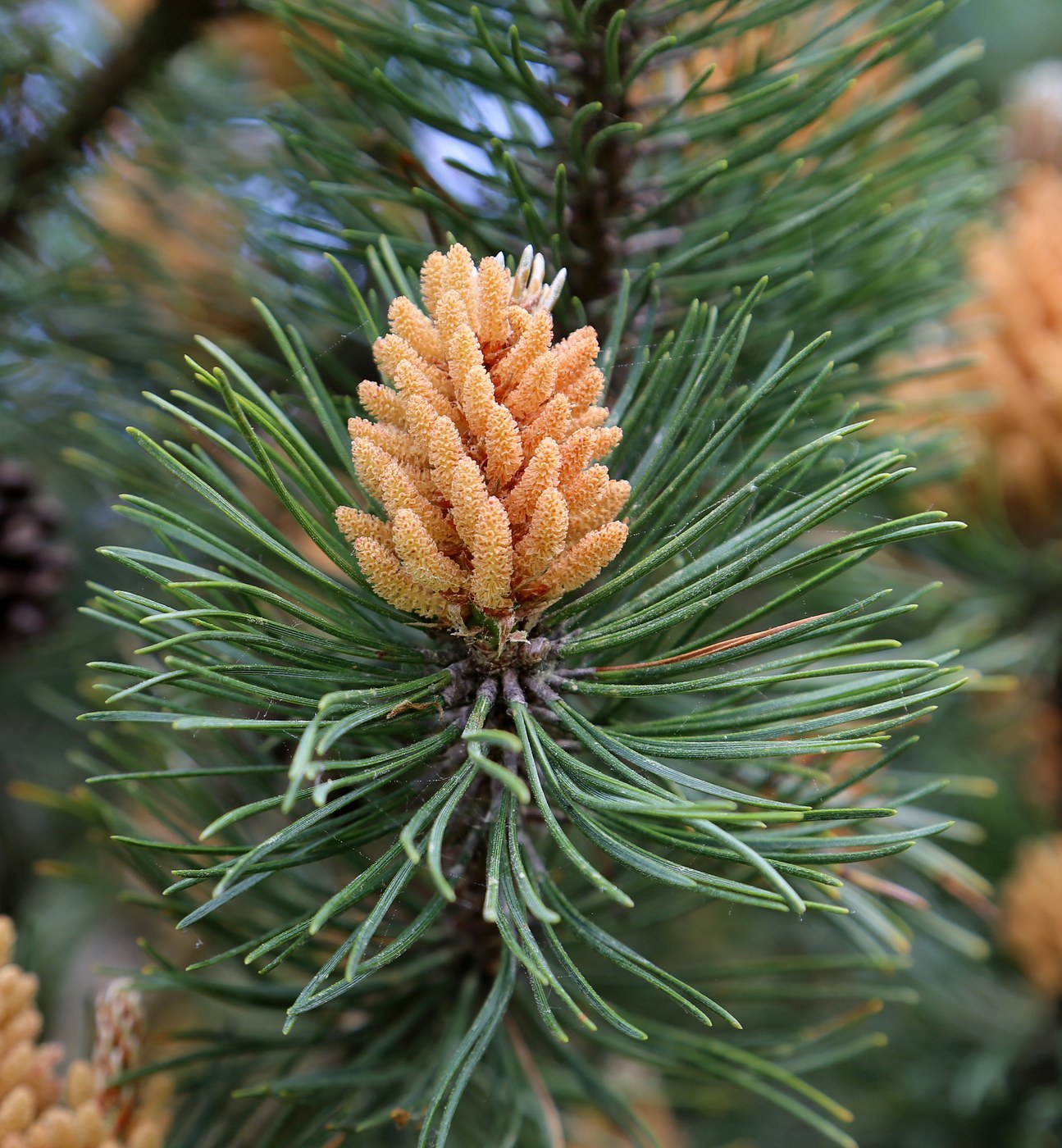
Mugo Pine (Pinus mugo) is a compact, slow-growing evergreen conifer prized for its dense mounded form, rich green needles, and remarkable tolerance of cold, wind, and lean soils. It is one of the easiest conifers for beginners, working equally well in foundation plantings, rock gardens, and containers.
Light
Give Mugo Pine full sun for the densest, most compact growth. It needs at least six hours of direct sun daily; in too much shade the plant grows sparse, leggy, and loses its tight rounded habit. It handles intense sun and reflected heat well once established.
Water
Water regularly during the first two growing seasons to establish a deep root system, keeping the soil evenly moist but never waterlogged. Once established this pine is quite drought tolerant, needing supplemental water only during prolonged dry spells. Always let the surface dry between waterings, as soggy soil invites root rot.
Soil & Potting
Mugo Pine tolerates a wide range of soils but insists on good drainage. Sandy or gritty loam is ideal; heavy clay should be amended with coarse grit or planted in a raised bed. It accepts slightly acidic to neutral pH and even poor, rocky ground. For containers use a free-draining mix amended with pumice or coarse sand.
Humidity & Temperature
This is a mountain conifer that revels in cool temperatures and is extremely cold hardy, shrugging off harsh winters. It does not require added humidity and prefers open air circulation. It struggles in hot, humid climates where poor airflow encourages needle disease.
Feeding
Mugo Pine needs very little feeding. A light application of a slow-release balanced or evergreen fertilizer in early spring is plenty for young plants. Established specimens generally need no feeding at all; over-fertilizing produces weak, open growth that spoils the compact shape.
Propagation
Mugo Pine is most reliably propagated from seed, which benefits from cold stratification before sowing. Named dwarf cultivars are usually grafted, as cuttings root poorly and slowly. Home gardeners typically start from nursery stock rather than propagating their own.
Repotting / Pruning
To keep growth dense and controlled, pinch or cut back the soft new spring shoots (called candles) by one-half to two-thirds before the needles fully expand; never cut back into old bare wood, which will not regenerate. Container plants need repotting only every few years into a slightly larger pot with fresh gritty mix.
Common Problems & Pests
Watch for pine sawfly larvae, which can defoliate shoots, and for scale, spider mites, and pine needle scale. Fungal needle cast and tip blight can appear in humid, crowded conditions; improve airflow and remove affected shoots. Most problems trace back to poor drainage or excessive shade.
Seasonal Care Tips
Prune candles in late spring. Water deeply through summer droughts in the first years. In autumn ease off water as growth slows. The plant needs no winter protection in cold climates, though container specimens benefit from insulated roots since pots freeze more thoroughly than open ground.
Frequently asked questions
Why is my Mugo Pine growing loose and open instead of compact?
The most common cause is insufficient light. Mugo Pine needs full sun to stay dense and mounded; in shade it stretches and thins. Move it to a sunnier spot and pinch the spring candles to encourage tighter branching.
How do I keep a Mugo Pine small?
Pinch or snap the new spring candles back by half to two-thirds before the needles open. This controls size without harming the plant. Avoid cutting into old bare wood, which will not resprout.
Can Mugo Pine grow in a container?
Yes, it is one of the better conifers for pots. Use a free-draining gritty mix, water when the surface dries, and protect the roots from deep freezing in winter since container roots are more exposed than in-ground plants.
How much water does an established Mugo Pine need?
Very little. After the first two seasons it is drought tolerant and only needs supplemental water during extended dry periods. Overwatering and poor drainage are far more dangerous than dryness.