
How to Care for Natal Plum
Grow natal plum (Carissa macrocarpa), a tough, glossy-leaved evergreen shrub with fragrant white flowers, ideal for sunny, coastal gardens.
Read the full Natal Plum encyclopedia entry →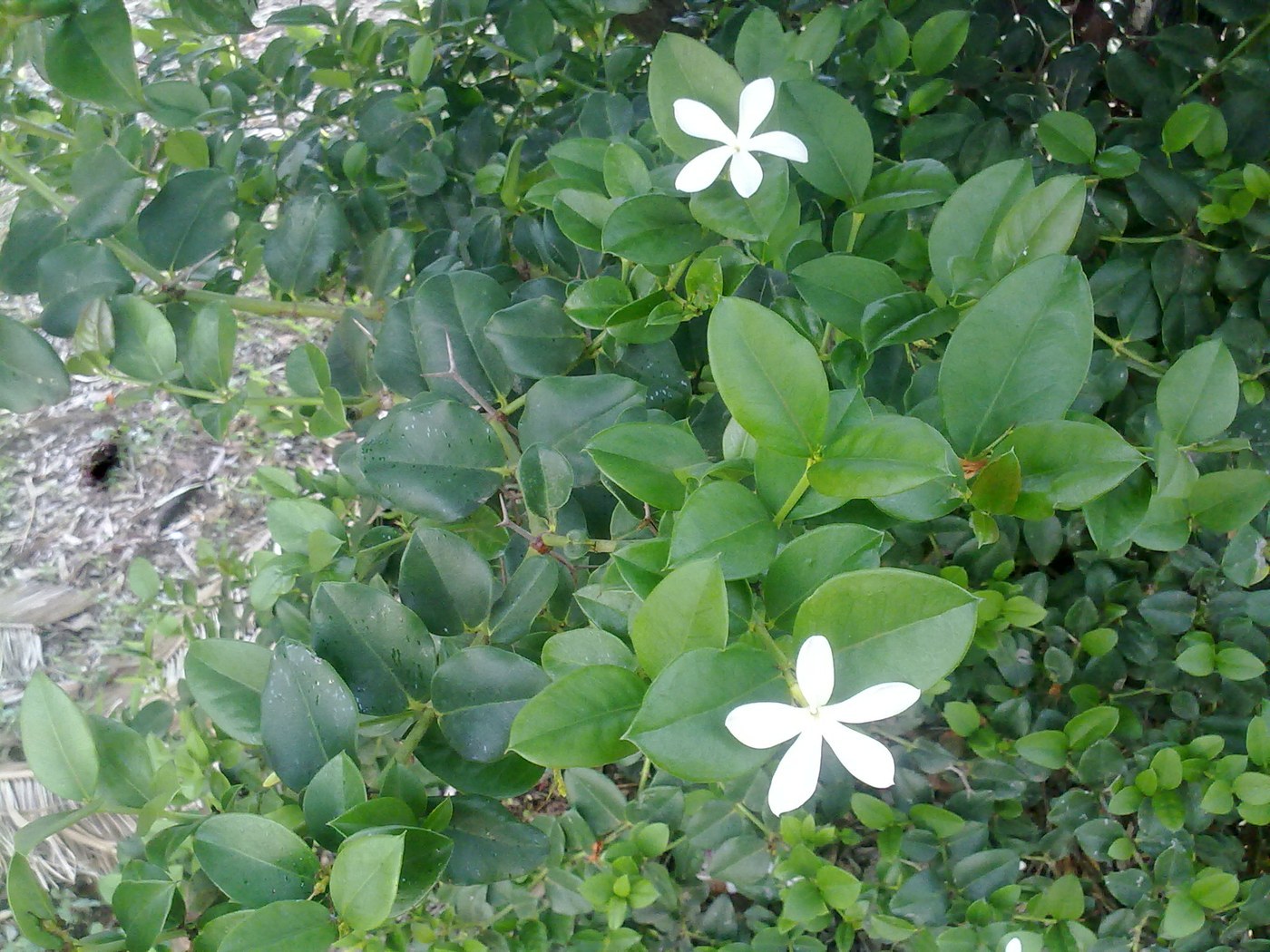
Natal plum (Carissa macrocarpa) is a dense, spiny evergreen shrub with thick, glossy dark-green leaves and star-shaped fragrant white flowers. Tough and adaptable, it is a favorite for hedges, foundation plantings, and coastal gardens, tolerating salt spray, wind, heat, and drought with ease.
Light
Natal plum grows well in full sun to part shade. Full sun produces the densest, most compact growth and the most abundant flowering, making it ideal for a formal hedge. In part shade it still grows well but may be looser and flower a bit less. Give it as much light as possible for the best form.
Water
Water needs are low to moderate. Young plants should be watered regularly to establish, but once settled in, natal plum is quite drought tolerant and prefers to dry out between waterings. Avoid overwatering, which is far more damaging than occasional dryness. Its toughness makes it forgiving of missed waterings.
Soil & Potting
This shrub adapts to a wide range of soils as long as drainage is good. Sandy and coastal soils suit it especially well. In containers, use a well-draining general-purpose mix, and ensure the pot has ample drainage holes. It tolerates poor soils but rewards moderately fertile ground with lusher growth.
Humidity & Temperature
Natal plum thrives in warm climates and tolerates coastal humidity and salt air. It is sensitive to hard frost, so in cooler regions grow it in a container that can be sheltered over winter. It handles heat and dry air well and is a reliable performer in mild, frost-free gardens.
Feeding
Feed lightly with a balanced fertilizer in spring and summer to support steady growth and flowering. Natal plum is not a heavy feeder, so avoid overfertilizing. A single spring application often suffices, with an optional light midsummer feeding for container plants.
Propagation
Propagate from seed or from semi-hardwood cuttings taken during the growing season. Cuttings root reliably with warmth and consistent moisture. Seed-grown plants are also easy but slower to reach flowering size. Cuttings are the surest way to reproduce a favored form.
Repotting / Pruning
Repot container specimens every couple of years as they outgrow their pots. Natal plum tolerates pruning very well and is easily shaped into hedges or compact mounds; trim as needed through the growing season. Wear gloves when pruning, as the branches bear sharp spines. Regular light shearing keeps it dense.
Common Problems & Pests
Natal plum is generally trouble-free but can occasionally attract scale insects, spider mites, or mealybugs, especially on stressed plants. Yellowing leaves often signal overwatering or poor drainage. Root rot follows soggy soil, so err on the drier side. Good airflow and bright light keep pest problems minimal.
Seasonal Care Tips
During the warm season, keep growth and flowering going with occasional deep watering and a light feed. In frost-prone areas, protect or shelter plants before winter cold arrives. Prune and shape in spring or after flushes of growth to maintain a tidy, dense form all year.
Frequently asked questions
Is natal plum a good hedge plant?
Yes. Its dense, spiny, evergreen growth shears easily into hedges and it tolerates heat, wind, and coastal salt, making it a popular, low-maintenance hedge or barrier shrub.
How much water does natal plum need?
Low to moderate. Water young plants regularly to establish them, then let the soil dry between waterings. It is drought tolerant once settled and dislikes soggy roots.
Why are my natal plum's leaves turning yellow?
Yellowing usually points to overwatering or poor drainage. Let the soil dry more between waterings and make sure the container or bed drains freely.
Can natal plum tolerate coastal conditions?
Very well. It handles salt spray, wind, sandy soil, and heat, which is why it is widely used in seaside and beachfront gardens.