How to Care for Orange Tree
Grow a glossy, fragrant orange tree with full sun, deep watering when the topsoil dries, gritty citrus soil, and warmth.
Read the full Orange Tree encyclopedia entry →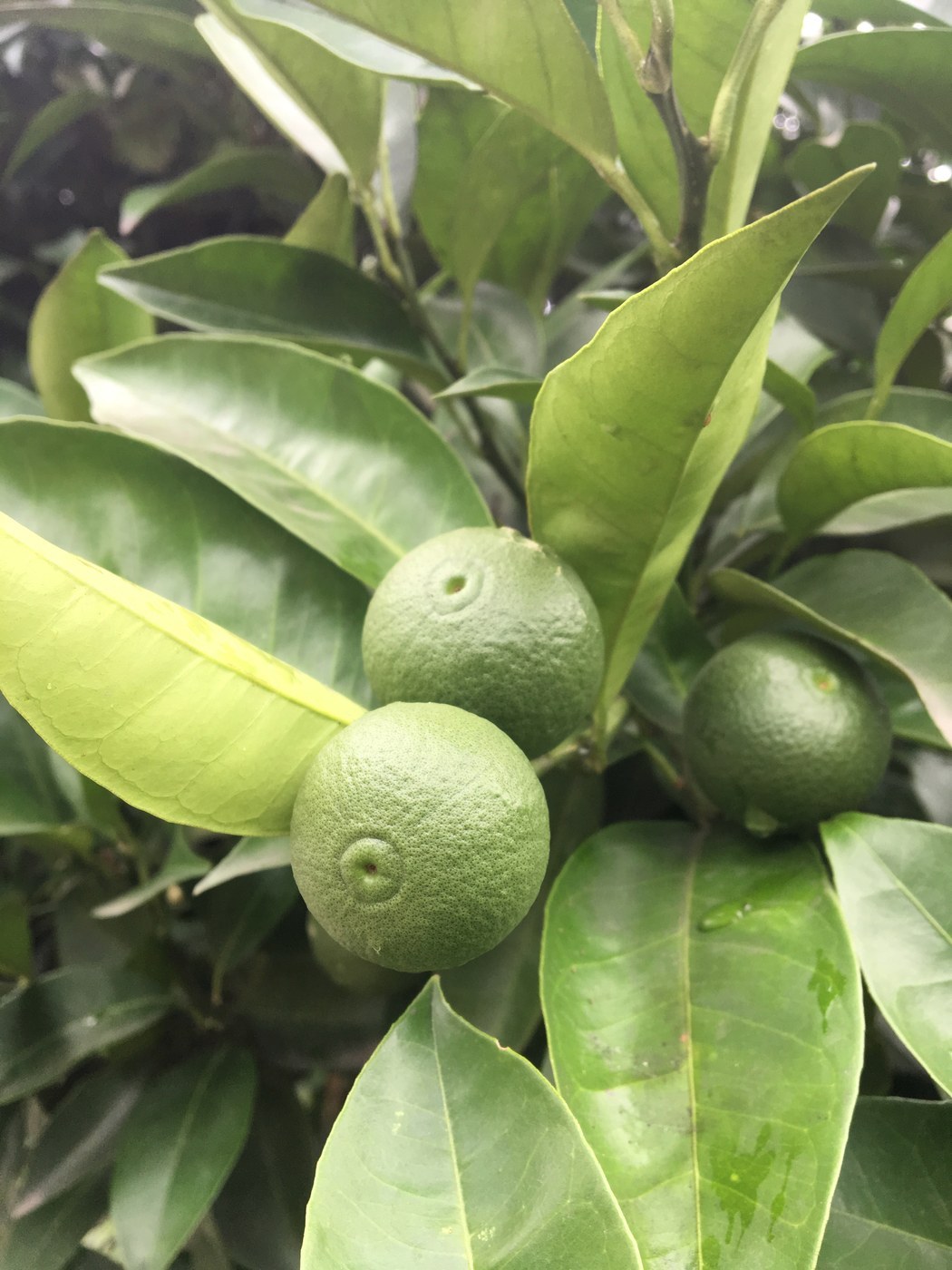
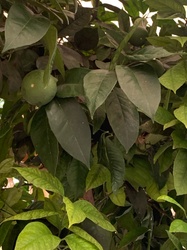
The sweet orange (Citrus sinensis) is an evergreen tree with glossy dark leaves, intensely fragrant white blossom, and bright ornamental fruit. It is a moderate-difficulty plant that thrives on sun, warmth, and careful watering, and adapts well to large containers in cooler climates.
Light
Orange trees demand full sun, ideally eight or more hours of direct light daily. Abundant light produces dense, healthy foliage, strong flowering, and good fruit set. Indoors or in a conservatory, place the tree at the brightest possible window, and move container-grown trees outdoors to the sunniest spot during the warm season.
Water
Water deeply, then let the top few centimeters of soil dry before watering again. Citrus dislikes both drought stress and waterlogging, so aim for a steady rhythm of thorough soaking followed by partial drying. In containers check moisture often, as pots dry quickly in heat, but never leave the tree standing in a saucer of water.
Soil & Potting
Use a light, free-draining, slightly acidic soil. A dedicated citrus mix or a loam-based blend amended with grit and bark works well by providing both drainage and aeration around the roots. Always plant in a container with generous drainage holes. Compacted, heavy, or waterlogged soil quickly leads to root problems and yellowing leaves.
Humidity & Temperature
Oranges are warmth-loving and frost-tender. They prefer consistently mild to warm temperatures and must be protected from frost, so in cold climates grow them in pots that can be moved into a bright, cool but frost-free room for winter. Moderate humidity suits them; very dry indoor air in winter can cause leaf drop, so mist or use a humidity tray if needed.
Feeding
Citrus are hungry feeders during the growing season. Feed regularly from spring through late summer with a fertilizer formulated for citrus, which supplies nitrogen and the micronutrients they need. Reduce or stop feeding in winter when growth slows. Yellowing leaves with green veins often signal a micronutrient shortage that a proper citrus feed corrects.
Propagation
Named orange varieties are usually propagated by grafting or budding onto a suitable rootstock, which gives predictable size and vigor. Seeds germinate easily but seedlings are slow, thorny, and may not resemble the parent, so grafted nursery trees are the reliable choice for a well-behaved, productive tree.
Repotting / Pruning
Repot container trees every two to three years in spring, moving up one pot size and refreshing the mix, taking care not to bury the trunk deeper than before. Prune lightly in early spring to remove dead, crossing, or inward-growing branches and to shape the canopy. Remove any vigorous shoots that sprout from below the graft union.
Common Problems & Pests
Under glass and indoors, orange trees are prone to scale insects, mealybugs, spider mites, and aphids, all of which cluster on new growth and undersides of leaves. Sticky honeydew and sooty mold often signal an infestation. Yellowing leaves usually point to overwatering, poor drainage, or nutrient deficiency. Keep the tree in good light, feed correctly, and inspect regularly to catch pests early.
Seasonal Care Tips
In spring, repot if needed, resume feeding, and move container trees outdoors once nights are reliably warm. Through summer, water and feed regularly and enjoy the fragrant blossom. In autumn, bring pots back under cover before the first frost. Over winter, keep the tree cool, bright, and barely moist, watering only enough to prevent the soil drying out completely and holding off on feeding until spring.
Frequently asked questions
Why are my orange tree's leaves turning yellow?
Yellowing is most often caused by overwatering and poor drainage or by a nutrient deficiency. Let the topsoil dry between deep waterings, ensure the pot drains freely, and feed with a citrus-specific fertilizer that supplies the micronutrients citrus needs.
Can I grow an orange tree in a pot?
Yes. In cooler climates container growing is ideal because you can move the tree into a bright, frost-free room for winter. Use a free-draining citrus mix, a pot with good drainage, keep it in full sun, and water when the topsoil dries.
How much sun does an orange tree need?
As much as possible, ideally eight or more hours of direct sun a day. Full sun drives healthy foliage and flowering. Indoors, use the brightest window available and move container trees outside to the sunniest spot in the warm season.
Why is my orange tree dropping its leaves?
Leaf drop is commonly triggered by cold drafts, sudden temperature changes, very dry indoor air in winter, or inconsistent watering. Keep the tree in stable, bright, frost-free conditions, avoid letting the soil swing between bone-dry and soggy, and raise humidity in heated rooms.
Orange Tree identified by the community
Recent Orange Tree specimens identified with Plant Identifier.