
How to Care for Pacific Silver Fir
Grow the Pacific Silver Fir (Abies amabilis), a stately, moisture-loving conifer with lush, silvery-backed needles and a symmetrical spire.
Read the full Pacific Silver Fir encyclopedia entry →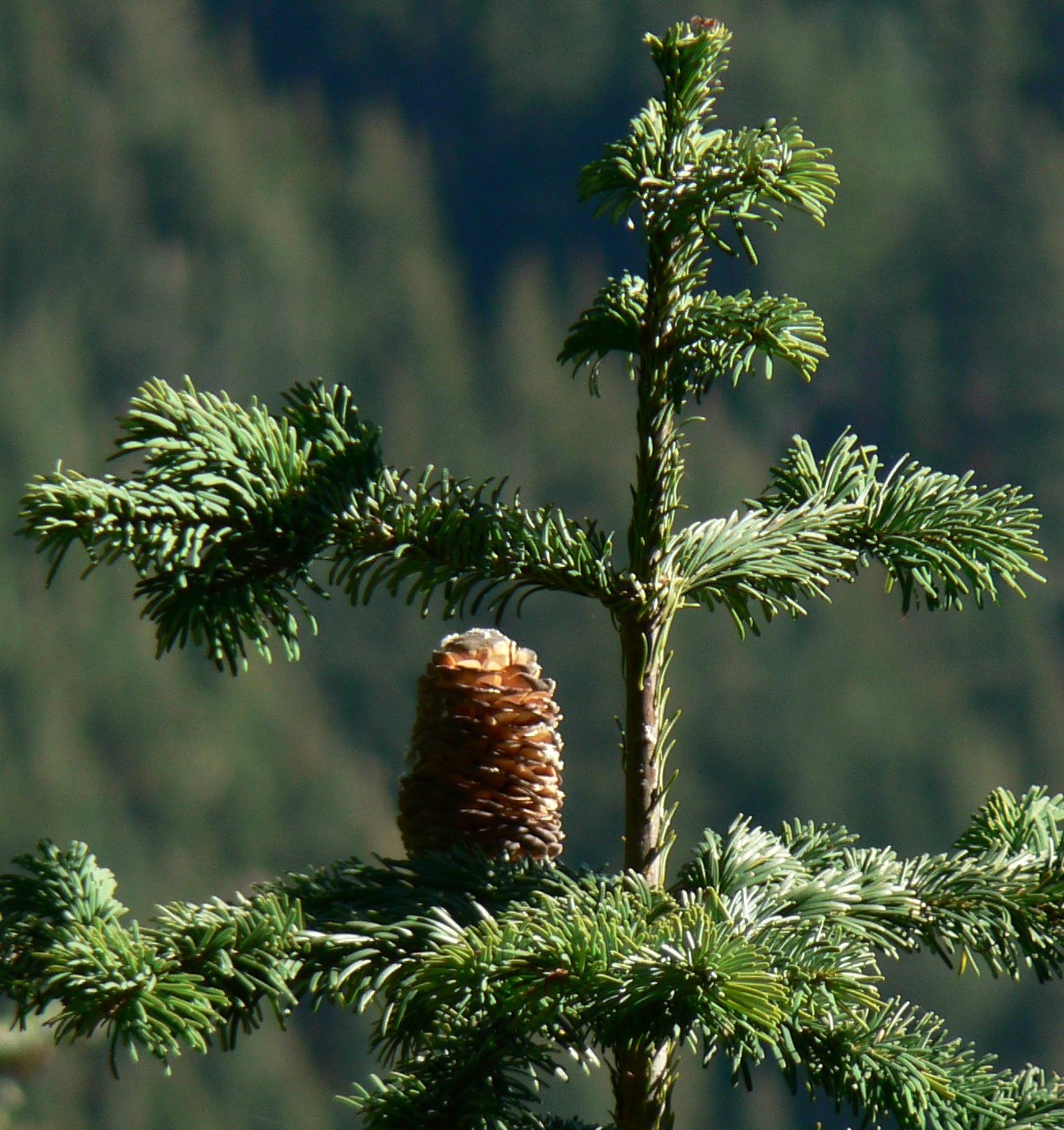
The Pacific Silver Fir (Abies amabilis) is a majestic evergreen conifer of the cool, wet forests of the Pacific Northwest, admired for its dense, symmetrical, spire-like crown and glossy dark needles with silvery-white undersides. It is a rewarding but somewhat particular tree that needs cool, moist, humid conditions to flourish.
Light
Pacific Silver Fir grows in part shade to full sun and is notably shade-tolerant, especially when young. Seedlings thrive under the filtered light of a forest canopy, while mature trees develop their fullest form with more open sun. In gardens, a position with morning sun and some shelter suits it well, particularly in warmer regions.
Water
Provide moderate to high moisture, keeping the soil consistently moist. This fir is adapted to regions of heavy rainfall and deep winter snowpack, so it dislikes drought and dry heat. Water deeply and regularly, especially during establishment and summer dry spells, and mulch generously to keep the root zone cool and damp.
Soil & Potting
Use deep, moist, well-drained, acidic soil rich in organic matter, mimicking the humus-laden forest floor it favors. It performs poorly in dry, compacted, or alkaline soils. A thick layer of organic mulch conserves moisture and moderates soil temperature. Good drainage combined with steady moisture is the ideal balance.
Humidity & Temperature
This is a cool-climate, humidity-loving conifer that thrives in mild, wet, foggy mountain and coastal environments. It is very cold-hardy but intolerant of hot, dry summers. High atmospheric humidity and cool temperatures produce the healthiest, densest growth, while heat and aridity cause stress and needle browning.
Feeding
Pacific Silver Fir is a light feeder. An annual spring application of a balanced or acid-forming conifer fertilizer supports steady growth, though rich, organic soils often make feeding unnecessary. Decomposing mulch provides slow, natural nutrition. Avoid heavy late-season feeding that could spur frost-tender growth.
Propagation
Propagation is typically from seed, which benefits from cold, moist stratification to break dormancy before sowing in a cool, well-drained seedbed. Germination is slow and seedlings grow gradually, appreciating shade in their early years. Cuttings are difficult to root, and grafting is used mainly for select forms.
Repotting / Pruning
Pacific Silver Fir requires minimal pruning, as it naturally forms a neat, conical shape. Remove only dead, damaged, or crossing branches in late winter. Avoid cutting into old wood, which does not regenerate well. Young container-grown trees can be potted up in spring, taking care to keep roots moist and undisturbed.
Common Problems & Pests
Heat, drought, and dry air are the main causes of decline, showing as browning needles and thinning crowns. Watch for balsam woolly adelgid, spruce budworm, aphids, and bark beetles, along with fungal needle casts and root rots in poorly drained or crowded conditions. Cool, moist, well-drained sites and good airflow minimize problems.
Seasonal Care Tips
Plant in early spring or fall during cool, moist weather. Keep new plantings well watered through their first summers and refresh mulch each spring. Provide shade for young trees in hot regions and monitor for adelgids and mites in dry spells. Ease off watering in autumn so the tree hardens off before winter cold and snow.
Frequently asked questions
Where does Pacific Silver Fir grow best?
It thrives in cool, moist, humid climates like the Pacific Northwest, with abundant rainfall, mild temperatures, and acidic, organic-rich soil. It struggles in hot, dry regions, where it needs shade, mulch, and steady moisture.
Is Pacific Silver Fir shade tolerant?
Yes, it is one of the more shade-tolerant firs, especially when young. Seedlings do well under filtered canopy light, while mature trees develop their fullest, most symmetrical crown with more open sun.
How much water does Pacific Silver Fir need?
It needs moderate to high, consistent moisture and dislikes drought. Water deeply and regularly, particularly while establishing and during summer dry spells, and mulch heavily to keep the roots cool and moist.
Why are the needles turning brown?
Browning usually results from heat, drought, or dry air, since this is a cool, moisture-loving conifer. Improve watering, add mulch, and provide shade in warm climates. Also inspect for adelgids or mites during dry weather.