
How to Care for Painted Daisy
Grow the classic Painted Daisy (Tanacetum coccineum) with full sun, well-drained soil, and light staking for its bright, ferny-leaved blooms.
Read the full Painted Daisy encyclopedia entry →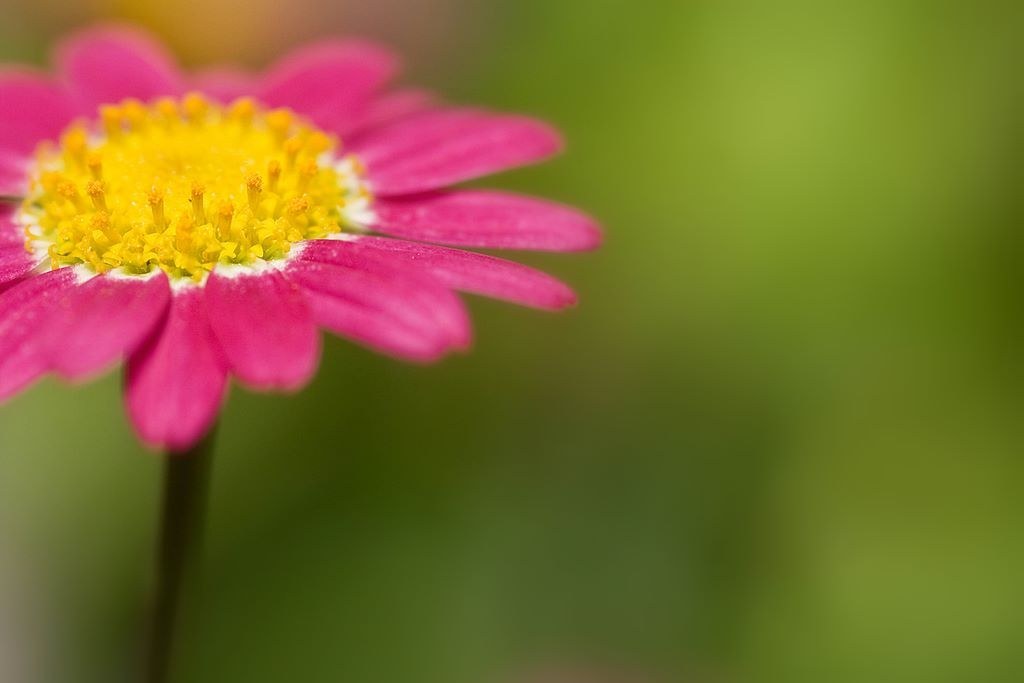
The Painted Daisy (Tanacetum coccineum) is a hardy perennial that produces cheerful, single or double daisy flowers in shades of pink, red, and white above finely divided, fern-like foliage. It is a lovely cottage-garden and cut-flower plant that rewards a bit of attention to drainage and support with a long early-summer display.
Light
Grow Painted Daisy in full sun for the best flowering and sturdiest stems. At least six hours of direct sun keeps plants compact and floriferous, while too much shade produces weak, floppy growth and sparse bloom. In regions with intense summer heat, a little light afternoon shade can help the flowers last longer.
Water
Provide moderate watering, letting the soil dry slightly between waterings. This perennial dislikes constantly soggy conditions, so water deeply when the top inch or two of soil is dry rather than keeping it perpetually wet. Established plants tolerate short dry spells, but consistent moisture during the bloom period yields the fullest flowers. Avoid overhead watering late in the day to reduce foliar disease.
Soil & Potting
Well-drained soil is essential. Painted Daisy performs best in fertile, loose, neutral to slightly alkaline soil enriched with compost, and it resents heavy, wet clay where the roots can rot over winter. If your soil is dense, improve it with grit and organic matter or plant in a raised bed. In containers, use a free-draining potting mix and a pot with ample drainage holes.
Humidity & Temperature
This is a cool-climate perennial that thrives in temperate conditions and prefers moderate temperatures with low to average humidity. It is cold-hardy and needs a winter chill to perform as a perennial, but it can struggle in hot, humid summers, where good air circulation becomes important to keep the foliage healthy.
Feeding
Feed lightly. Work compost or a balanced slow-release fertilizer into the soil in spring as growth resumes, and avoid heavy nitrogen feeding, which promotes soft, floppy foliage at the expense of flowers. A single spring feeding is usually enough for garden plants; container plants may appreciate an occasional diluted liquid feed during the growing season.
Propagation
The simplest way to increase Painted Daisy is by division in early spring or fall, lifting an established clump and separating it into smaller crowns, each with roots and shoots. It can also be grown from seed sown in spring, though named color forms come truer from division. Basal cuttings taken in spring are another option for propagating favorite plants.
Repotting / Pruning
Divide clumps every two to three years to keep them vigorous and free-flowering, as older centers tend to weaken. Deadhead spent flowers to encourage additional blooms and, in some cases, a lighter second flush. After the main bloom fades, cut the stems back to tidy the plant and refresh the foliage. The tall, slender stems often benefit from discreet staking or a grow-through support to prevent flopping.
Common Problems & Pests
The most common problem is flopping stems, remedied by full sun, lean soil, and timely staking. Aphids may gather on buds and new growth and can be washed off or treated with insecticidal soap. In damp, crowded, or poorly ventilated conditions, leaf spots, powdery mildew, and root rot can appear, so prioritize drainage and airflow. Removing spent foliage at season's end helps limit disease carryover.
Seasonal Care Tips
In spring, clean up old growth, add compost, and set stakes in place before stems get tall. Through late spring and early summer, enjoy the main flush of bloom and deadhead regularly for the longest show. In summer, cut back after flowering and keep the soil moderately moist. In fall, divide crowded clumps and cut plants back, then let the crown rest through winter, where cold-hardiness carries it to the next season.
Frequently asked questions
Why do my Painted Daisy stems flop over?
Floppy stems usually come from too little sun or overly rich soil. Grow in full sun with lean, well-drained soil and add discreet staking or a grow-through support early in the season.
How often should I divide Painted Daisy?
Divide clumps every two to three years in early spring or fall. This keeps plants vigorous and free-flowering, since older centers tend to weaken over time.
Will Painted Daisy rebloom if I deadhead it?
Deadheading spent flowers encourages more blooms and can prompt a lighter second flush. Cutting the plant back after the main show also refreshes the foliage.
What kind of soil does Painted Daisy need?
Fertile, loose, well-drained, neutral to slightly alkaline soil is ideal. It dislikes heavy, wet clay, so improve dense soil with grit and compost or use a raised bed.